Seoul
Korea's capital: Joseon palaces, shopping and K-beauty, food, and neighborhoods that each feel different
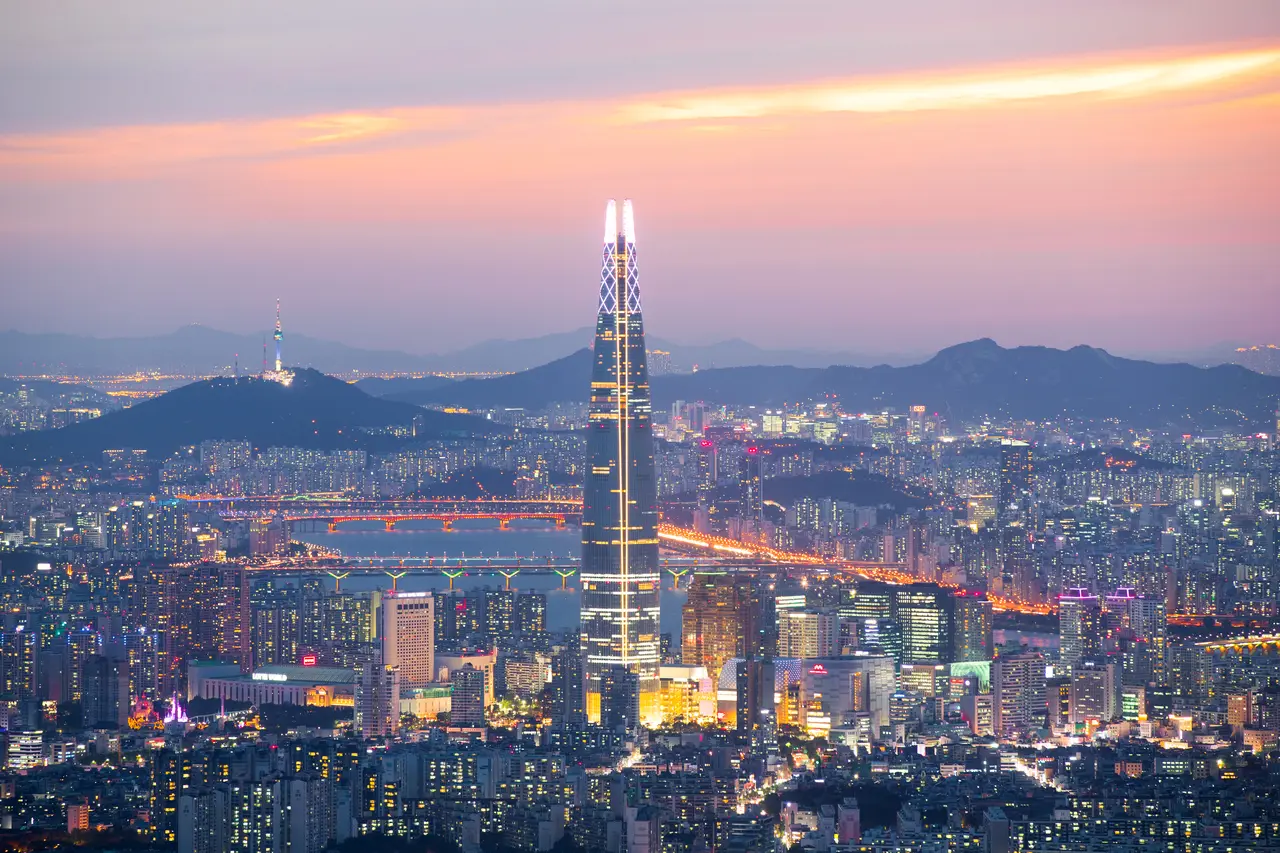
Most foreign visitors to Korea spend at least part of their trip in Seoul. This page helps you decide how long to stay, which area to base yourself in, what to eat and when to come, then sends you to our neighborhood pages for the details.
Intro
Seoul is the capital of Korea. In 2025, 76.8 percent of foreign visitors to Korea went to Seoul, and from January to September 2026 the city received 13.14 million foreign visitors, 21.5 percent more than a year earlier. Over the same nine months, Seoul took 70.9 percent of foreign visitors’ card spending on tourism in Korea.
Five things bring most first-time visitors:
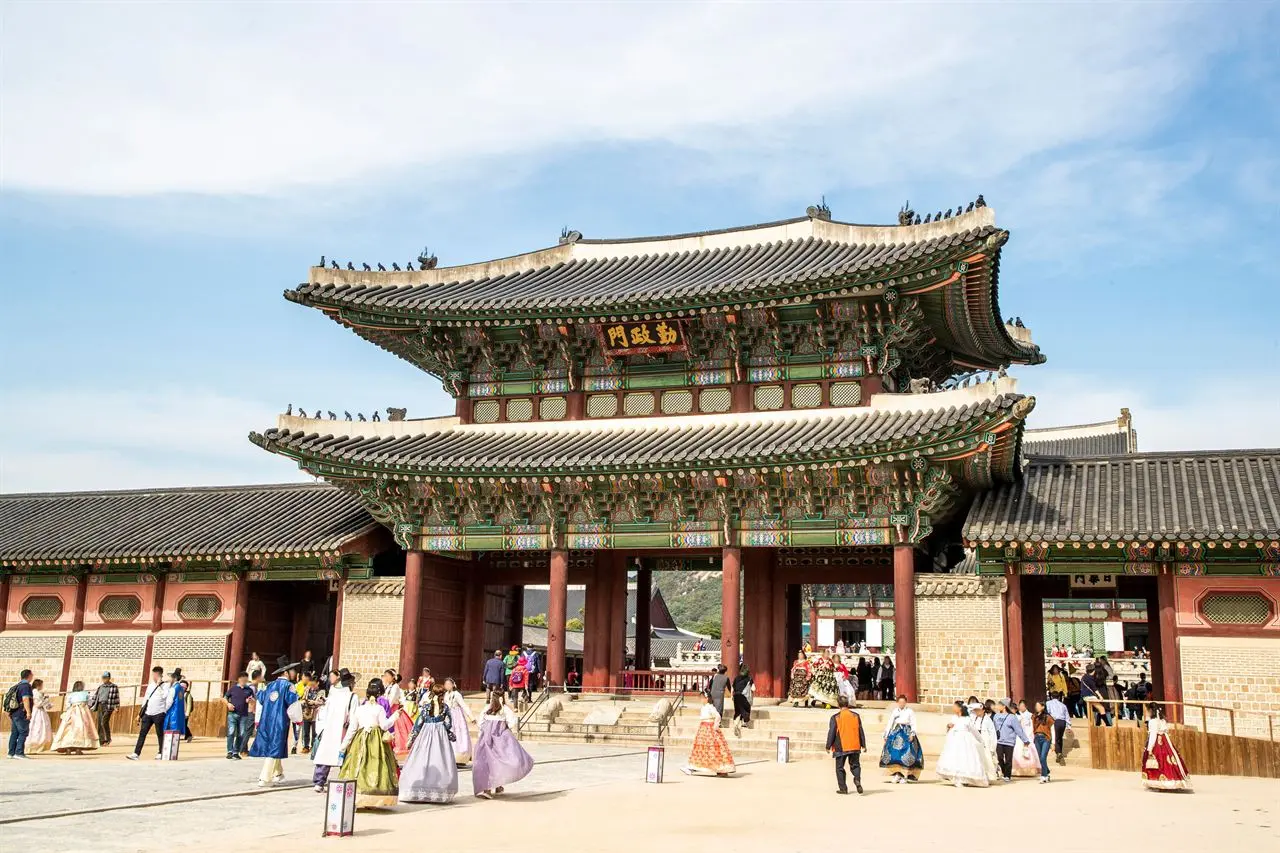
- Royal palaces in the city center. Gyeongbokgung, founded in 1395, was the main palace of the Joseon dynasty, and Changdeokgung has been a UNESCO World Heritage Site since 1997. Both stand among office blocks and subway stations, and entry is free if you wear hanbok, traditional Korean clothing.
- Shopping and Korean cosmetics. From January to September 2026, 46.0 percent of foreign card spending in Seoul was on shopping and 23.8 percent on medical and wellness services. In the 2024 International Visitor Survey, shopping was the top activity visitors considered when planning a trip to Korea (20.6 percent).
- Food. In the same survey, eating out was the activity visitors were most satisfied with after their trip (19.2 percent).
- K-pop and Korean dramas. In the fourth quarter of 2025, 38.2 percent of surveyed visitors said they chose Korea after coming across Korean pop culture (Hallyu) content.
- Neighborhoods with different characters. Myeongdong is for cosmetics and street food, Hongdae for live music and late nights, Seongsu for flagship stores in old factories, and Insadong for crafts and teahouses. Each has its own page, linked below.
Neighborhoods
We group Seoul’s neighborhoods into five areas. Gangnam and Jamsil are south of the Han River.
Central (Jongno and Jung districts)
Palaces, markets and the main shopping streets are a few subway stops apart. This is where most first-time visitors spend the most time.
- Myeongdong: Cosmetics stores, department stores, duty-free shops and an evening street of food stalls. It had the most foreign visitors of any Seoul neighborhood in the first half of 2025, and Namdaemun Market and the Namsan Cable Car are within walking distance.
- Insadong and Ikseondong: Insadong-gil, a 0.7 km street of craft, hanji paper and brush shops and traditional teahouses, and the Ikseondong lanes of hanok restaurants and cafes. Long-running restaurants such as Cheongjinok (since 1937) are on the alleys off Jong-ro.
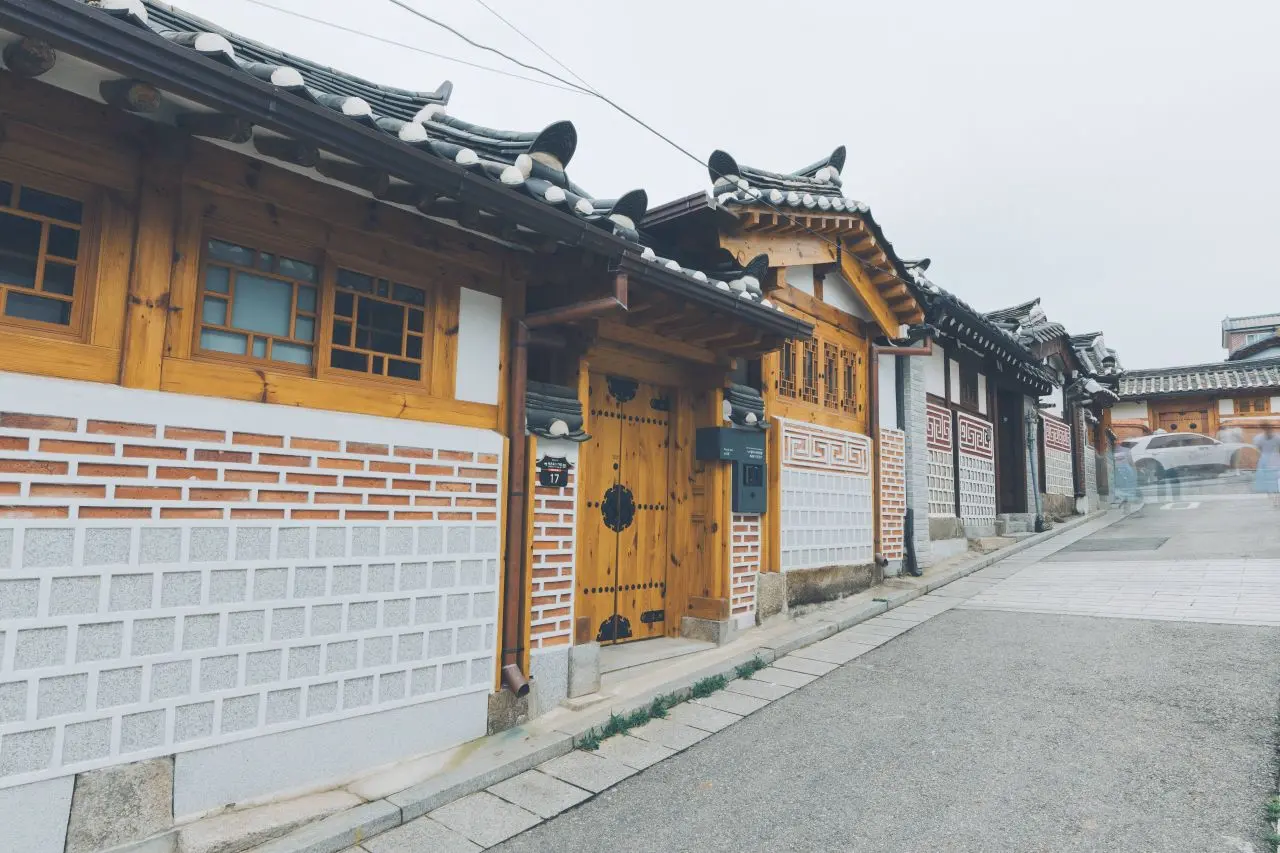
- Bukchon and Samcheong-dong: Hillside lanes of hanok, traditional Korean houses where people still live, north of Anguk Station (Line 3) between Gyeongbokgung and Changdeokgung, and Samcheong-dong-gil, a street of galleries, restaurants and teahouses along the east wall of Gyeongbokgung. The core lanes around Bukchon-ro 11-gil are a red zone: tourists may visit only from 10:00 to 17:00, and the fine is 100,000 won.
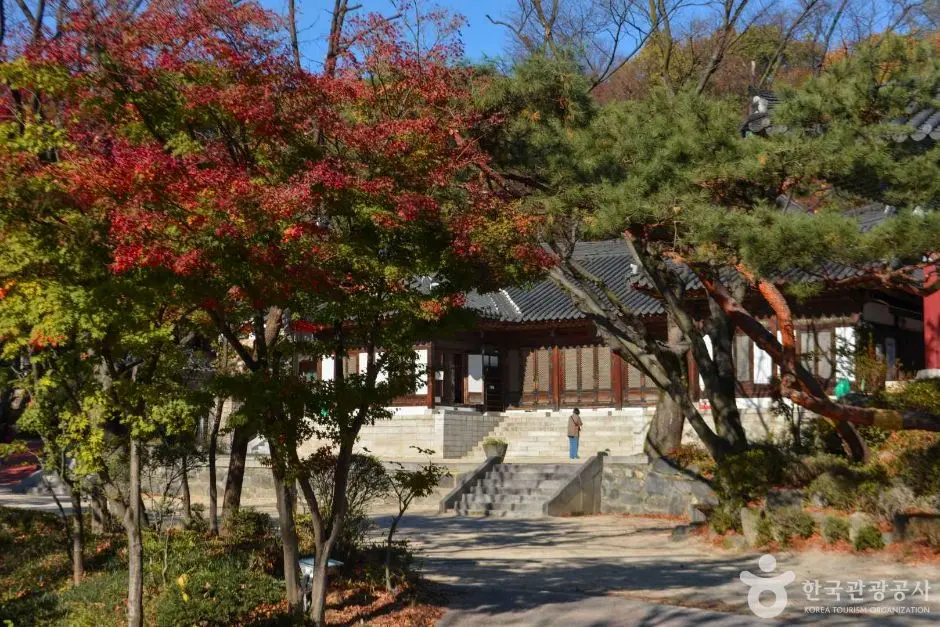
- Seongbuk-dong: A quiet valley below the city wall with Gilsangsa Temple, the Kansong Art Museum and the houses of writers.
- Seochon: Old lanes, hanok and small museums between Gyeongbokgung Palace and Inwangsan, with Tongin Market’s coin lunchbox.
- Euljiro and Dongdaemun: In Euljiro, Korea’s largest printing district, the bars of Nogari Alley, 2 minutes from Exit 4 of Euljiro 3(sam)-ga Station, put plastic tables on the street every evening for draft beer and nogari (dried young pollack); it started in November 1980 with Eulji OB Bear and grew with night-shift print workers. Further east, Dongdaemun is a fashion market district where retail malls stay open until midnight or 2:00, and Dongdaemun Shopping Complex, a fabric and sewing supplies market, is connected by an underground passage to Exit 9 of Dongdaemun Station.
- Sindang-dong: Seoul’s tteokbokki street, cooked in a pot at your table, and an old market that turned into an evening drinking quarter.
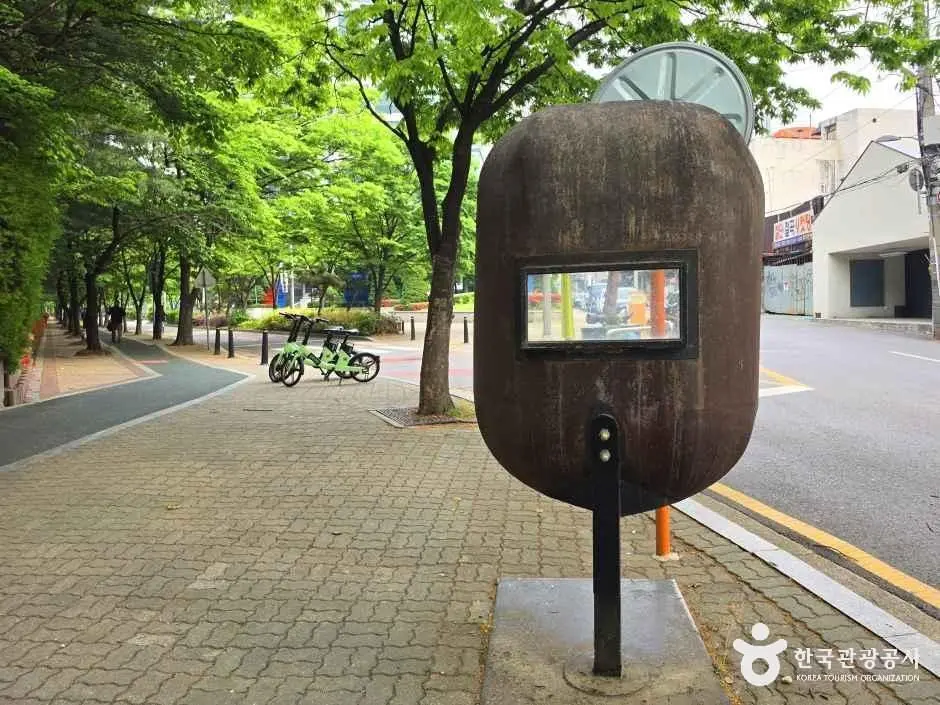
- Daehangno, Hyehwa and Naksan: Seoul’s small-theater district around Marronnier Park, the hillside lanes of Ihwa-dong, and Naksan Park on the city wall for the sunset and a night walk down to Dongdaemun.
West (Mapo District)
- Hongdae: The area around Hongik University, with street performers, small live music clubs, vintage and independent fashion, and nights that run until morning. The page also covers Yeonnam-dong, Hapjeong and Sangsu. Hongik Univ. Station is on the AREX airport railroad.
- Yeonnam-dong and Yeonhui-dong: North of Exit 3 of Hongik Univ. Station, Yeontral Park on the old Gyeongui Line railway, side streets of stationery and gift shops, and Chinese dumpling restaurants; uphill in Yeonhui-dong (Seodaemun District), bakeries, Chinese restaurants such as Ipum and Mokran, and Saruga Shopping Center, a long-running supermarket of imported snacks.
- Sinchon and Ewha Womans University: The university district one stop east of Hongdae on Line 2, in Seodaemun District: the Yonsei and Ewha campuses (Ewha’s underground ECC by Dominique Perrault), the Yun Dong-ju Memorial Hall in the poet’s old dormitory, coffee houses from 1971 and 1975, and cheap student restaurants and late-night gopchang.
- Mangwon: A residential Mapo neighborhood with a covered market, the Mangridan-gil bakery street and a Han River park.
- Yeouido: Seoul’s island of office towers: The Hyundai Seoul, the National Assembly, cherry blossoms and office lunches.
- Mullae-dong: Lanes of working ironworks south of Mullae Station (Line 2) in Yeongdeungpo District, where artists moved into empty workshops from the 2000s; Time Out ranked it sixth among the world’s coolest neighborhoods in 2025. Come in the afternoon for the metal sculptures and painted shutters, and stay for grilled offal, wine bars and drinks at corner-shop tables in the evening.
East (Seongdong District)
- Seongsu: A former district of factories, handmade shoe workshops and warehouses, now filled with cafes, brand flagship stores and pop-up stores. Foreign card spending here grew 100.6 percent from January to September 2026, the fastest of the ten Seoul tourist areas in the city’s analysis. Seoul Forest park is next door.
Yongsan District
- Itaewon and Hannam: Korea’s first mosque (Seoul Central Mosque, opened in 1976), halal restaurants, restaurants from many countries and bars popular with foreign residents, along Line 6 between Noksapyeong, Itaewon and Hangangjin stations. World Food Street is 1 minute from Exit 2 of Itaewon Station. In Hannam-dong, the Leeum Museum of Art is 7 minutes (about 400 m) from Exit 1 of Hangangjin Station, near a stretch of Korean brand stores on Itaewon-ro.
- Haebangchon and Huam-dong: The hillside village above Itaewon, settled after Korea’s liberation in 1945, with Sinheung Market’s evening restaurants and bars under a white canopy, rooftop views of N Seoul Tower, and the 108 Stairs with a free inclined elevator down to Huam-dong.
- Yongsan: Yongridan-gil, Sinyongsan and Samgakji: The back streets of Yongridan-gil between Sinyongsan and Samgakji stations on Line 4, busiest for dinner; the Amorepacific Museum of Art (Sol LeWitt show until February 28, 2027, 2 minutes from Exit 2 of Sinyongsan Station); the free War Memorial of Korea (3 minutes from Exit 12 of Samgakji Station); and the Samgakji cod soup alley. The museum, the War Memorial and two of the old restaurants are closed on Mondays.
Gangnam and Jamsil (south of the river)
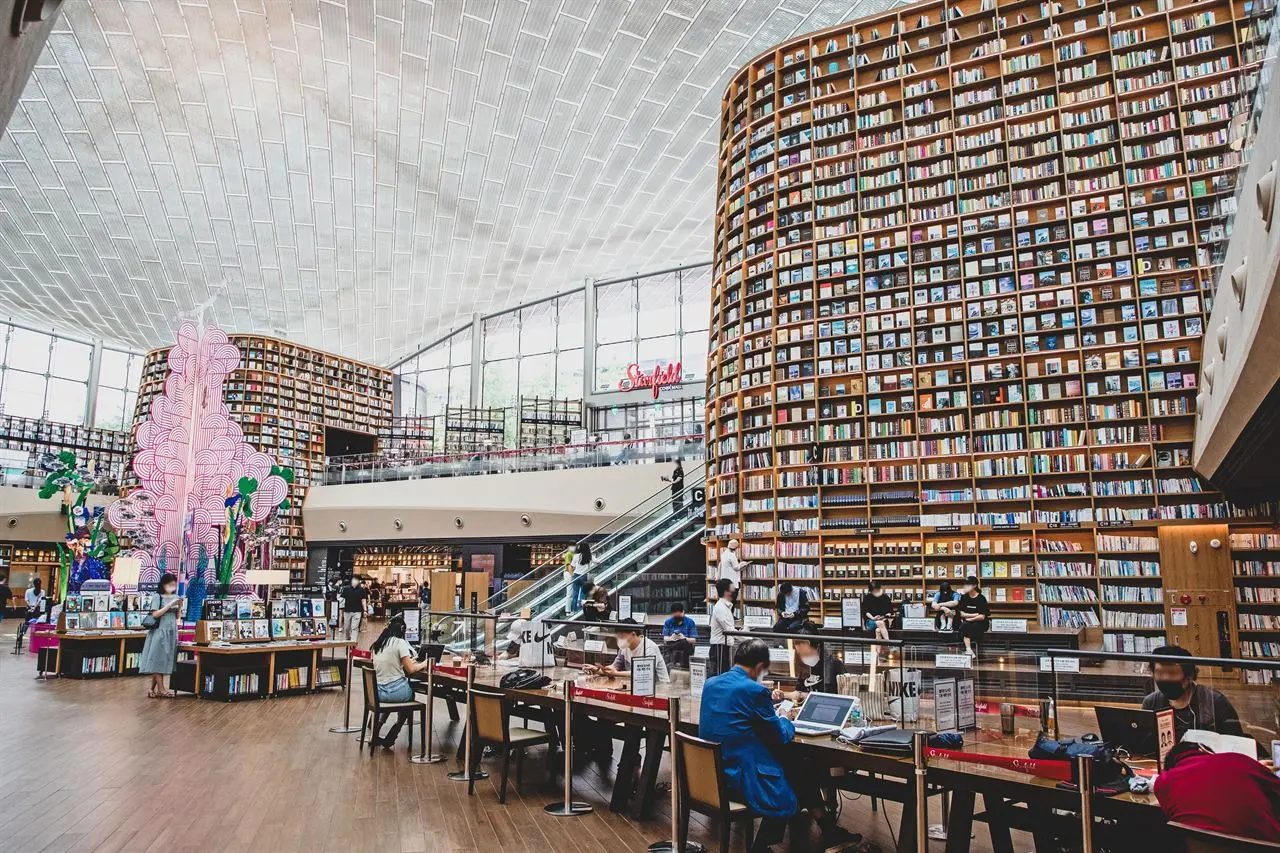
- Gangnam and COEX: Gangnam District took 29.6 percent of foreign card spending in Seoul from January to September 2026, the most of any district. Our page follows Line 2 for three stops: Samseong, with COEX Mall and Starfield Library (5 minutes from Exit 5 of Samseong Station) and Bongeunsa Temple across the road (2 minutes from Exit 1 of Bongeunsa Station); Seolleung and the Joseon royal tombs; and the restaurants around Gangnam Station. Sinsa (Garosu-gil), Apgujeong Rodeo and Cheongdam are north of this area. The Gangnam Medical Tour Center offers luggage storage and tax refunds on weekdays from 10:00 to 18:00.
- Sinsa, Garosu-gil, Apgujeong Rodeo and Dosan: North Gangnam by the river: Garosu-gil and the Serosu-gil lanes by Sinsa Station, with soy sauce crab by Exit 4; Apgujeong Rodeo, Haus Nowhere Dosan and Dosan Park from Apgujeongrodeo Station; Mingles, Seoul’s only three-Michelin-star restaurant in the 2026 guide, and Zest, No. 2 on Asia’s 50 Best Bars 2026, in Cheongdam.
- Jamsil, Seokchon Lake and Songridan-gil: The lake park at the foot of Lotte World Tower, with a free light festival every evening from 17:30 to 22:30 until February 28, 2027, the Songridan-gil lanes of cafes and restaurants, the Bangi-dong food alley and the Baekje royal tombs at Seokchon-dong.
Top sights
Each sight has its own page. Each line here gives what you need to fit it into a day.
- Gyeongbokgung Palace: Built in 1395 as the main royal palace of the Joseon dynasty and the largest of the Joseon palaces. It burned in 1592, was rebuilt in 1867, and has been restored since the 1990s. Closed on Tuesdays. 3,000 won for foreign visitors aged 19 to 64; free for ages 18 and under, ages 65 and over, and anyone wearing hanbok that meets the palace guidelines. 2 minutes from Exit 5 of Gyeongbokgung Station (Line 3).
- Changdeokgung Palace: Built in 1405 as a secondary palace, it served as the main seat of the Joseon kings for about 270 years, until 1867, and was inscribed as a UNESCO World Heritage Site in 1997 for a layout that follows the shape of the land. Closed on Mondays. 3,000 won for foreign visitors aged 19 to 64; the Secret Garden is a separate timed session for 5,000 won more (ages 19 and over), and hanbok does not make the garden free. English Secret Garden sessions run at 10:30, 11:30, 14:30 and 15:30 from March to November (no 15:30 session from December to February). 5 minutes from Exit 3 of Anguk Station (Line 3).
- Deoksugung Palace and Jeongdong-gil: The Korean Empire’s palace by City Hall, open until 21:00, with a guard ceremony at its gate and the Jeongdong-gil walk.
- Jongmyo Shrine: The World Heritage royal shrine of the Joseon kings, reopened in 2025, with guided-only days and free-walking days.
- N Seoul Tower and Namsan: Built in 1969 as Korea’s first combined TV and radio broadcasting tower and opened to the public in 1980, on top of Namsan, the hill in the middle of Seoul. No subway station reaches the summit. The Namsan Cable Car lower station is about 8 minutes on foot from Exit 3 of Myeong-dong Station; tickets are sold on site only (adults 15,000 won round trip). The operator says waits get long on weekends and mornings are quieter.
- Gwangjang Market: Opened in July 1905 as Korea’s first permanent market. Its food alley, where East Gate, North Gate 2 and South Gate 1 meet, serves bindaetteok (mung bean pancakes), mayak gimbap (small seaweed rice rolls) and yukhoe (seasoned raw beef). 1 minute from Exit 7 or 8 of Jongno 5(o)-ga Station (Line 1).
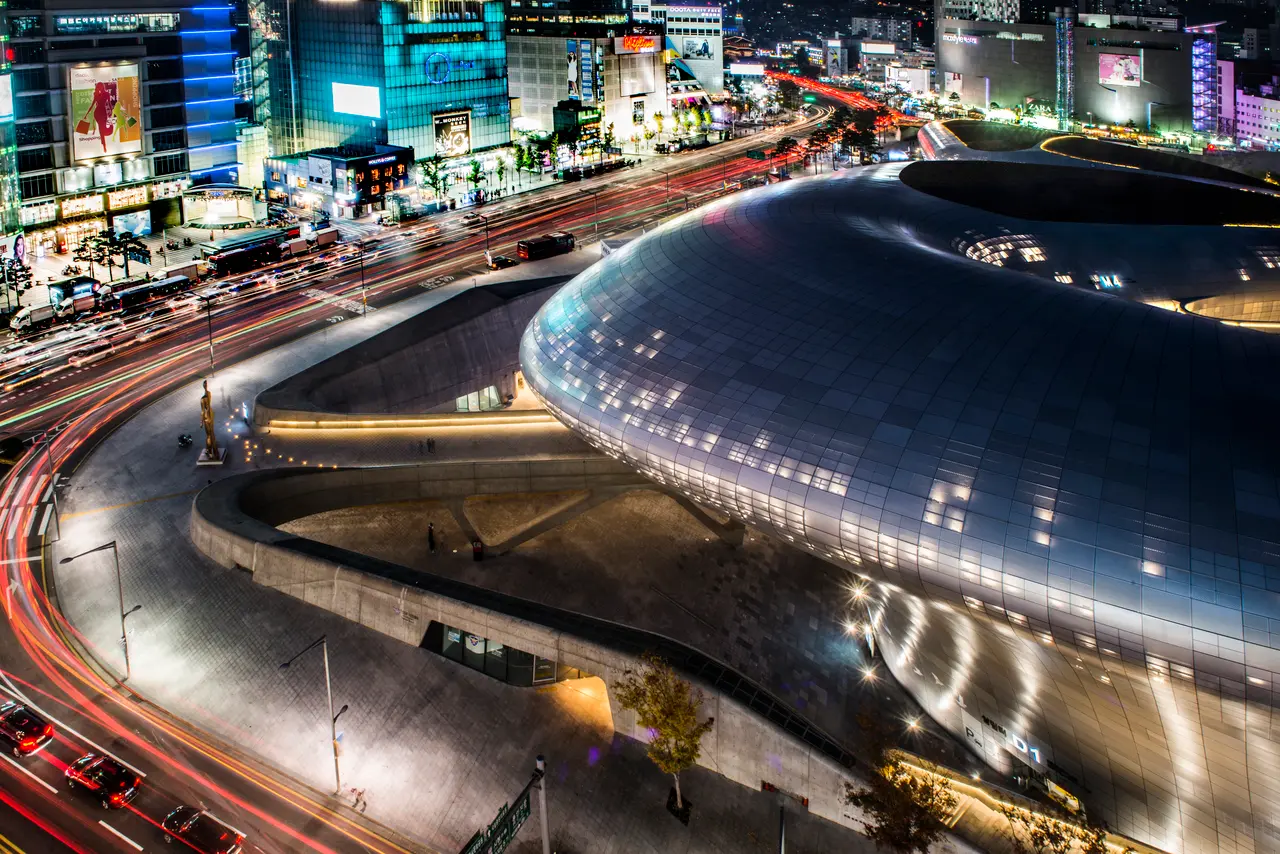
- Dongdaemun Design Plaza (DDP): A curved building designed by Zaha Hadid, opened on March 21, 2014, and used for Seoul Fashion Week and exhibitions. It stands on the site of the old Dongdaemun Stadium, where excavations found sections of the Seoul city wall and its water gates and about 1,000 artifacts; the remains are in the park next to it. 6 minutes from Exit 1 of Dongdaemun History & Culture Park Station (Lines 2, 4 and 5).
- Lotte World Tower and Seoul Sky: A 555 m tower in Jamsil completed in December 2016, with Seoul Sky at the top, which the operator describes as Korea’s highest observation deck, and Lotte World Mall, an aquarium and a duty-free shop at its foot. About 1 minute from Exit 2 of Jamsil Station (Line 2) to the tower.
- Seodaemun Prison History Hall and Independence Park: A prison built under Japanese rule in 1908 and used until 1987, where independence and democracy activists were held, now a museum (3,000 won, closed on Mondays), with free English guided tours four times a week. By Exit 5 of Dongnimmun Station (Line 3), with Independence Gate, the Ansan Jarak-gil and Yeongcheon Market nearby.
- National Museum of Korea: Korea’s national museum in Yongsan, free to enter, with two pensive bodhisattvas in a room of their own.
- Seoul Forest: A free park next to Seongsu, open 24 hours, on the site of Seoul’s first waterworks and an old racecourse, with sika deer, a tulip path in April and ginkgo trees in November. 2 minutes from Exit 4 of Seoul-forest Station (Suin-Bundang Line).
Where to stay
For a first visit, stay north of the river in the central area unless you have a reason to be elsewhere. The palaces, Myeongdong, Insadong and the markets are a few stops apart there.
- Myeongdong: The easiest first base. Airport Bus 6015 runs from Incheon Airport to Myeongdong hotels with no change (17,000 won), or take the AREX Express Train to Seoul Station and Line 4 two stops. Namdaemun Market and the Namsan Cable Car are walkable.
- Seoul Station, City Hall and Gwanghwamun: The AREX Express Train runs non-stop from the airport to Seoul Station (43 minutes from Terminal 1, 51 from Terminal 2, 13,000 won). KAL Limousine 6701 stops at City Hall hotels, and Gyeongbokgung is close to Gwanghwamun.
- Insadong and Jongno: Around Anguk and Jongno 3(sam)-ga stations, you can walk to Gyeongbokgung, Changdeokgung and Bukchon.
- Hongdae: The AREX All-stop Train goes from the airport to Hongik Univ. Station with no change (58 minutes from Terminal 2, 5,250 won with a transit card); the Express Train does not stop there. Choose it if nightlife and live music matter more than palaces. Night Bus N6002 runs to Hongik Univ. Station after 23:30.
- Gangnam: No AREX train goes to Gangnam; Airport Buses 6009 and 6020 and KAL Limousine 6703 run there without a change. It suits shopping and medical or beauty appointments, but the palaces and Myeongdong are on the other side of the river.
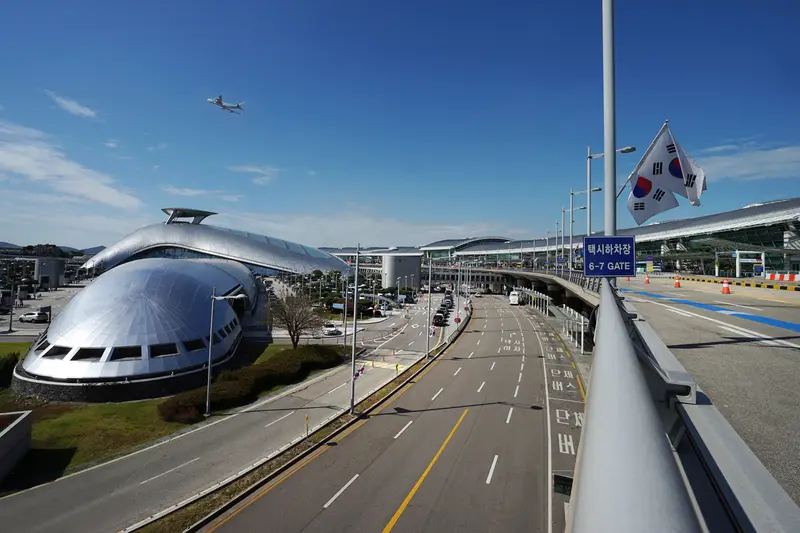
Full routes, times and first and last departures are on How to Get from Incheon Airport to Seoul.
Summer 2027: World Youth Day, a Catholic youth gathering, is scheduled in Seoul from August 3 to 8, 2027, with diocese events from July 29. Reports expect up to a million participants (81,820 had registered by November 2026), so book hotels early if you travel then.
How many days
Foreign visitors to Korea stayed an average of 6.5 days in 2025 and 6.1 to 6.2 days in the first half of 2026, for the whole country, not only Seoul. A Seoul Tourism Organization survey, reported in September 2026, gave average stays in Seoul of 3.5 days for Japanese visitors, 5.9 for Chinese and 6.0 for Taiwanese visitors. These are averages for all visitors from each country, first-time and repeat; 71 percent of the Japanese, 56 percent of the Chinese and 59 percent of the Taiwanese visitors surveyed had been before. Figures for first-time visitors, and for visitors from other countries, are unconfirmed.
For a first visit we suggest three to four days in Seoul, which leaves the rest of a typical week for other parts of Korea. Our Seoul itinerary for 1, 2 or 3 days gives each day stop by stop, with times, subway routes and fees:
- Palaces and Namsan: Gyeongbokgung (not on a Tuesday), Bukchon, lunch in Insadong, Myeongdong and N Seoul Tower at dusk. With only one day, do this one.
- The east side: Changdeokgung (not on a Monday), DDP and Gwangjang Market, with Seongsu if you have an evening left.
- The river and Hongdae: the National Museum of Korea, Yeouido and the Han River, and Hongdae at night.
With a fourth day, add Gangnam and Lotte World Tower.
For a date or a themed day in the city, Seoul Day Plans has six one-day courses: hanbok at the palaces, a Han River sunset picnic, Seongsu, Naksan at night, a market food day and an Inwangsan hike with Seochon.
For dates the way Seoul couples plan them, Seoul Date Courses has three date courses, at Seokchon Lake, Deoksugung and Jongmyo, plus two easy days with your parents.
With more days, spend one on a trip out of the city: Day Trips from Seoul compares Suwon, Nami Island, the DMZ, Jeonju, Gangneung and more by travel time, fare and the last way back.
What to eat
Each dish below links to a neighborhood page where we list a restaurant, its hours and how to find it.
- Korean barbecue: Pork neck and belly grilled at the table. Hyojadong Mokgogi in Seongsu (pork neck 20,000 won, belly 18,000 won per 200 g) or Yukmong in Hongdae (18,000 won per 150 g, open until 1:00 from Friday to Sunday).
- Chicken: Korean fried chicken ranked first for both preference and how often people eat it in a 2025 survey of 11,000 Korean food consumers in 22 cities abroad. In Myeongdong, stalls sell dakgangjeong, sweet crispy fried chicken in a cup (8,000 to 10,000 won), and restaurants serve dakhanmari, a whole chicken simmered at the table (30,000 won), and samgyetang, chicken in ginseng soup (20,000 won).
- Noodles and dumplings: In Korea Tourism Organization data on the number of foreign card payments, payments for noodles and dumplings grew 55.2 percent from January to July 2025, compared with the same period a year earlier. Try kalguksu (knife-cut noodle soup) at Myeongdong Kyoja (12,000 won, dumplings 13,000 won) in Myeongdong, or Chanyang-jip (9,000 won) and KOONG’s Gaeseong-style dumplings (15,000 won) in Insadong and Ikseondong.
- Gamjatang: Pork bone and potato stew, up 44.0 percent in the same data. Somunnan Seongsu Gamjatang in Seongsu is listed as open 24 hours (single bowl 12,000 won).
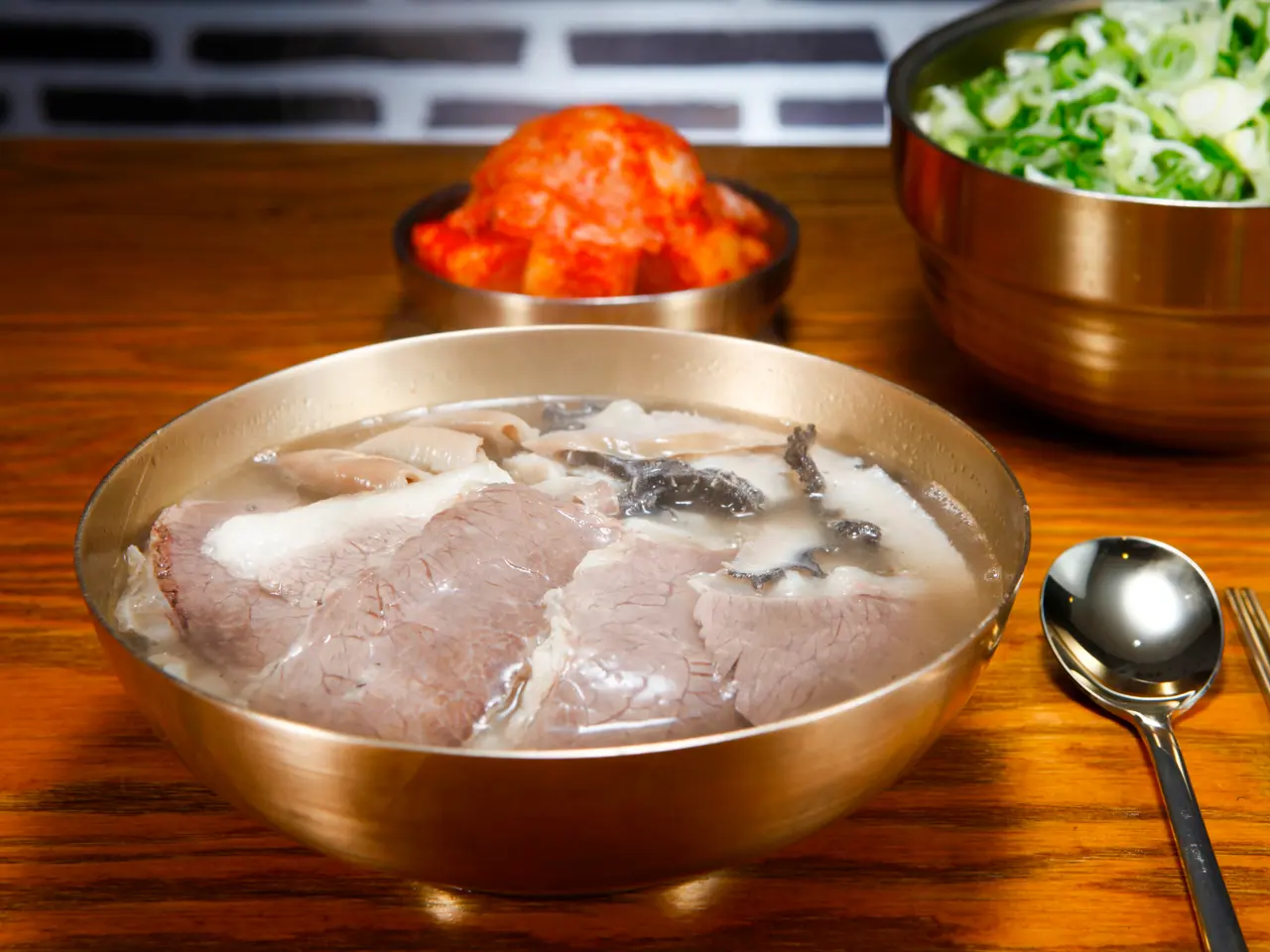
- Beef and pork soups: Old restaurants that serve one soup. Hadongkwan’s gomtang in Myeongdong (19,000 won, closes at 16:00 and on Sundays), Cheongjinok’s haejangguk in Insadong and Ikseondong (12,000 won, open from 6:00), or Okdongsik’s dwaeji-gomtang in Hongdae (14,000 won).
- Bibimbap: Rice with vegetables, ranked just after fried chicken and kimchi in the same overseas survey. Sanchon in Insadong, a temple food restaurant, serves it for 18,000 won.
- Market food: Bindaetteok, mayak gimbap and yukhoe at Gwangjang Market, or the evening stalls of Myeongdong (egg bread from 2,000 won, chicken skewers 5,000 to 7,000 won).
- Rice cakes, tea and cafes: Foreign card payments for tteok (rice cakes) and hangwa (traditional sweets) grew 76.9 percent in the 2025 data, and cafe payments 29.5 percent. Nakwon Tteokjip sells single rice cakes for 2,000 to 4,000 won and Sinyet Chatjip serves herbal tea in a hanok in Insadong; Seongsu has cafes in converted warehouses.
Hike Seoul’s mountains
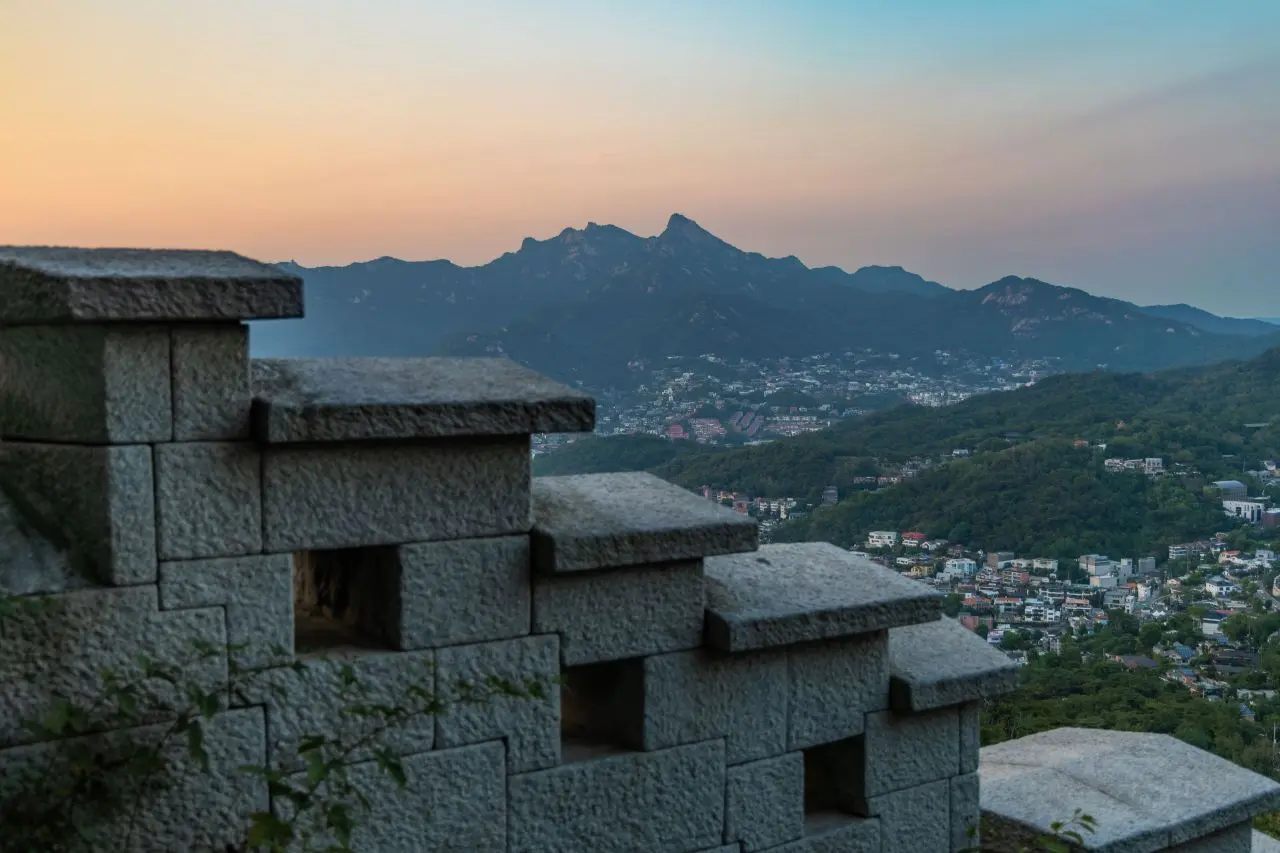
- Hiking in Seoul: Five mountains you can start from the subway: how to choose, park hours, winter gear, rentals and food after.
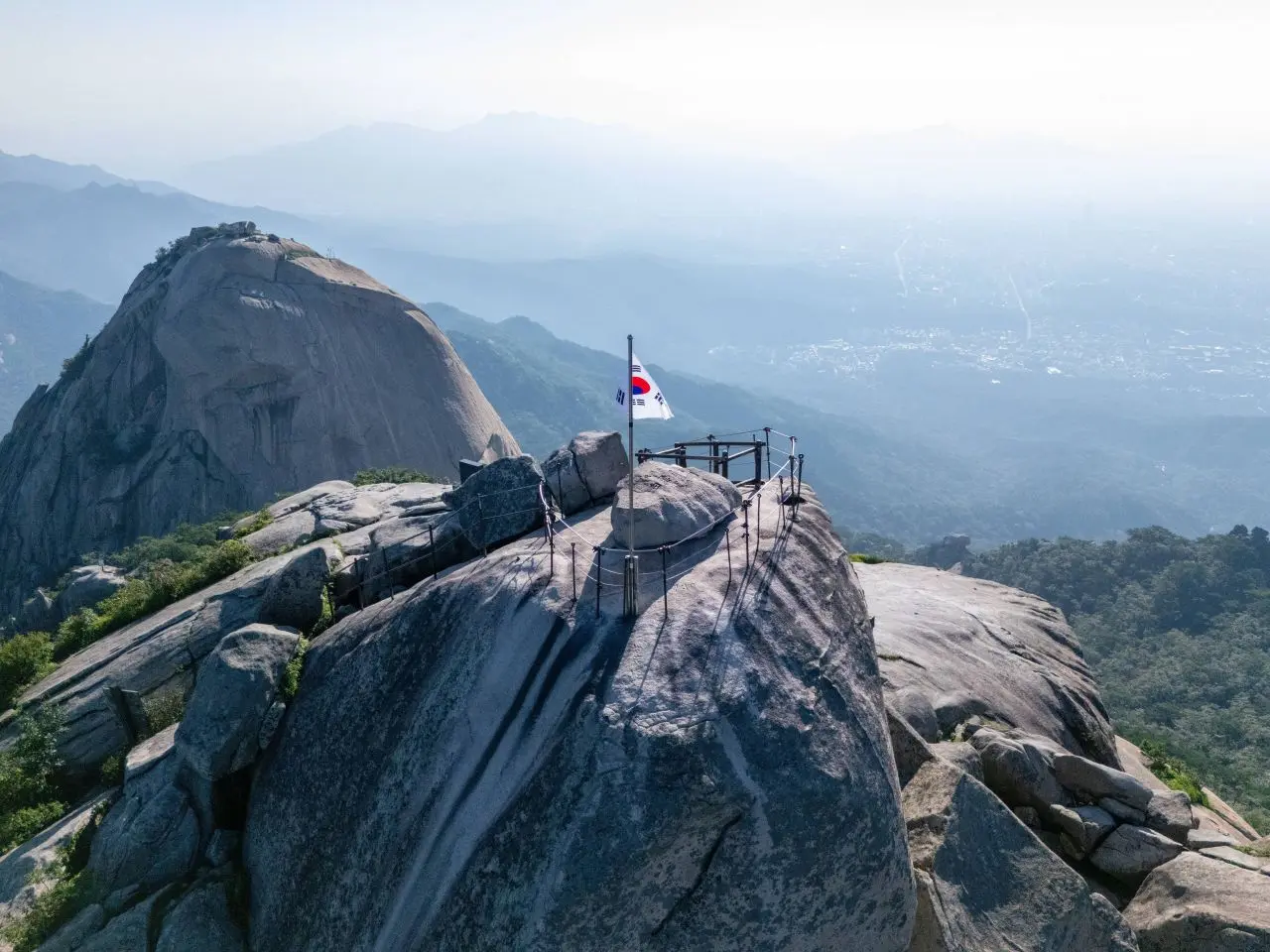
- Bukhansan (Baegundae Peak): The 836 m granite summit of Bukhansan National Park, a half-day climb from the end of a Seoul subway line.
- Inwangsan: A granite hill on the old city wall near Gyeongbokgung Station, with views over central Seoul day and night.
Eat and drink like a local
- Where Seoul Locals Eat: 85 Korean restaurants that Seoul locals queue for, in 11 neighborhoods, with prices, rules and how to get a table.
- Pyongyang Naengmyeon in Seoul: 12 Pyongyang naengmyeon houses, plus one Hamheung-style shop for comparison, from Woo Lae Oak (1946) to all-buckwheat sunmyeon, with how to eat them and the boiled pork and dumplings to order on the side.
- Kalguksu and Mandu in Seoul: 14 noodle and dumpling shops by area plus 18 on our other pages, from Michelin Bib Gourmand dumpling soup in Buam-dong to yukkal at 9:30 and Chinese-style dumplings, with which broth is which and how to order.
- Gukbap and Haejangguk: 18 soup-and-rice shops by area, from Imun Seolnongtang (1904) to 24-hour seolleongtang in Sinsa, with which soup is which, how to eat it and where to go at 6:00 or after midnight.
- Vegetarian, Vegan and Halal Food in Seoul: Temple food, vegan Korean and halal Korean restaurants, the fish and meat stock hidden in Korean dishes, questions to show staff and prayer rooms.
- Korean BBQ in Seoul: 14 barbecue restaurants by area, from Mapo’s pork galbi alley to Michelin Bib Gourmand pork, with which cut to order, who grills, lettuce wraps, cold noodles after and where to go alone.
- Gopchang in Seoul: 14 grilled intestine and gopchang hot pot restaurants by area, from the Wangsimni and Hwanghak-dong alleys to Michelin-listed tripe in Gangnam, with beef or pork, which part is which, fried rice to finish and where to go after midnight.
- Seoul’s Feel-Good Cafes: 81 Seoul cafes that Koreans go to for the space as much as the coffee, grouped by neighborhood.
- Seoul Bakery Tour: 16 bakeries Koreans cross the city for, from Taegeukdang, open since 1946, to Mangwon’s two-hour salt bread runs, with prices, closing days and how the queues work.
- Seoul Desserts and Brunch: 16 dessert shops and brunch cafes Koreans queue for, from single-serving bingsu and fruit rice cakes to a royal-court dessert table and brunch from 7:30, with prices, closing days and how the queues work.
- Seoul’s Hot Streets: Where young Seoulites go out now, why so many streets end in -ridan-gil, and how Koreans find the next hot place.
- Hangang Parks: Seoul’s riverside parks: which one to pick, the bridge fountain, chicken delivery, bikes and the Hangang Bus.
- Nodeul Island and the Han River at Noryangjin: A free island under Hangang Bridge for sunsets and picnics, open 24 hours outdoors, with sashimi from Noryangjin Fish Market and two small history parks on the south bank. About 9 to 12 minutes on foot from Exit 2 of Nodeul Station (Line 9).
- Seoul at Night: Free evening walks along Cheonggyecheon, the Naksan city wall and the Han River, N Seoul Tower and Seoul Sky after dark, and palaces open until 21:00.
- Seoul’s Big Parks: Five large parks Seoul people visit by season, from silver grass at Haneul Park to Olympic Park’s autumn flowers and a glasshouse for winter, with stations, hours and fees.
- Seoul with Kids: Where Korean families take their children: Seoul Grand Park’s 5,000-won zoo, the free Children’s Grand Park and its children’s museum, and indoor picks for rain, with two day plans.
- Art Museums and Exhibitions in Seoul: Eight art museums Koreans go to, from free Korean ceramics at Leeum to free Wednesday and Saturday evenings at MMCA, with Monday closures and buying tickets on the day.
- Jjimjilbang (Korean Bathhouses): How a Korean bathhouse and sauna works, step by step, with prices, overnight rules and four places to try.
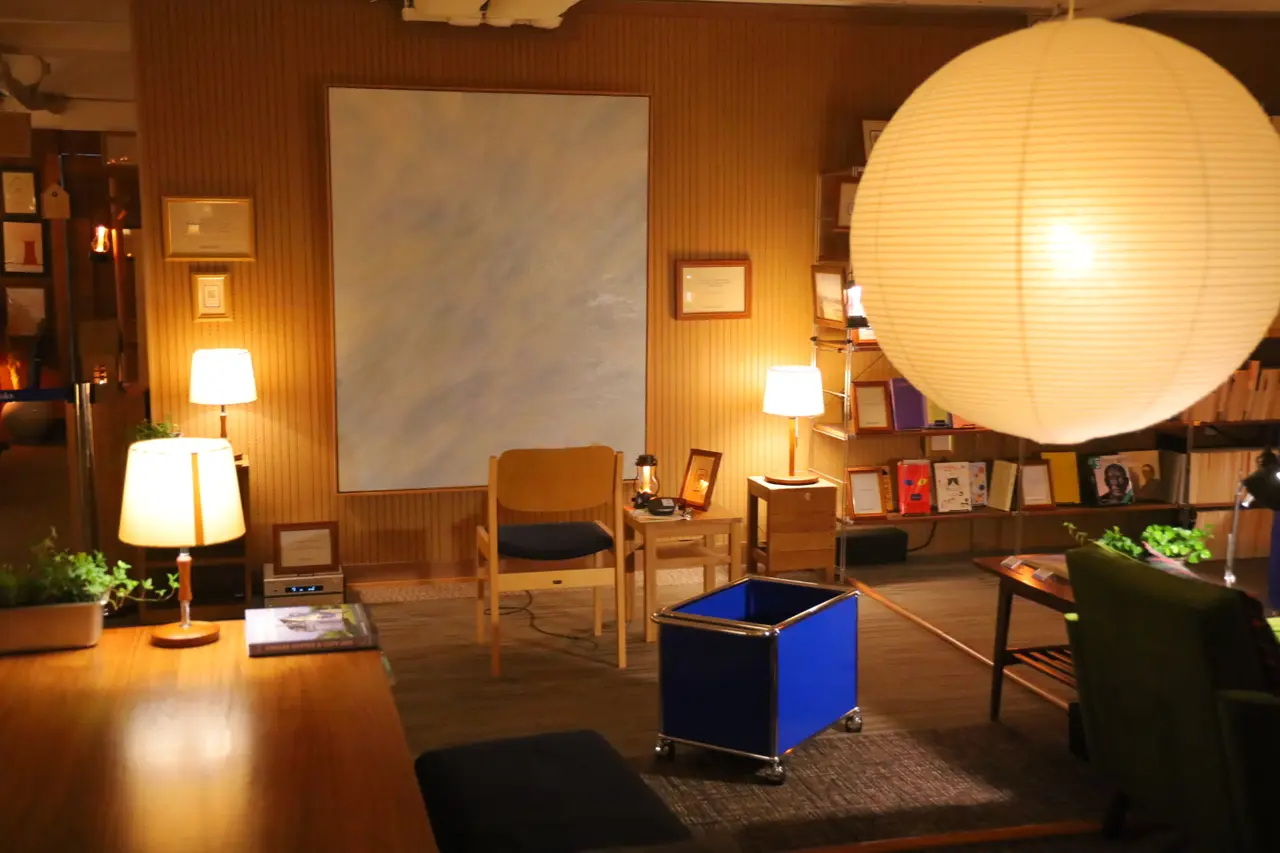
- Seoul Solo: Where Koreans Go Alone: Bookshops and paid reading rooms Koreans go to on their own, barbecue for one, which dishes are sold only for two, and museums, a bathhouse and bars for a day alone.
- Noryangjin Fish Market: Seoul’s big seafood wholesale market: pick live fish downstairs, then eat it as sashimi and spicy stew upstairs.
- Seoul Market Food Tour: What Koreans eat at Namdaemun, Gyeongdong, Cheongnyangni, Tongin, Sindang and Mangwon markets, with stalls and prices.
- Pojangmacha (Street Tent Bars): What a Korean tent bar is, how to order, what to eat with soju, what it costs, and where to find them in Seoul.
- Seoul Bars and Rooftops: Where Koreans drink: makgeolli and traditional liquor, Asia’s 50 Best cocktail bars such as Bar Cham, live jazz and LP bars, with cover charges, closing times and the drinking age.
- Hanbok Rental in Seoul: How to rent hanbok by the palaces, what counts for free palace entry, prices by the hour, and three shops to try.
- Shows in Seoul: NANTA and other shows with no dialogue, the Saturday traditional music concert at the National Gugak Center, and which musicals have English subtitles or are in English.
- K-pop in Seoul: Agency stores and pop-ups open now, what has closed, music show audiences and a free music video set.
- K-beauty Shopping in Seoul: Olive Young and Daiso for Korean cosmetics: instant tax refunds, the biggest stores, skin tests and prices.
- Shopping in Seoul: Where to Go for What: Which street to pick for cosmetics, vintage, designer brands, markets, malls and duty free, with hours and prices.
When to go
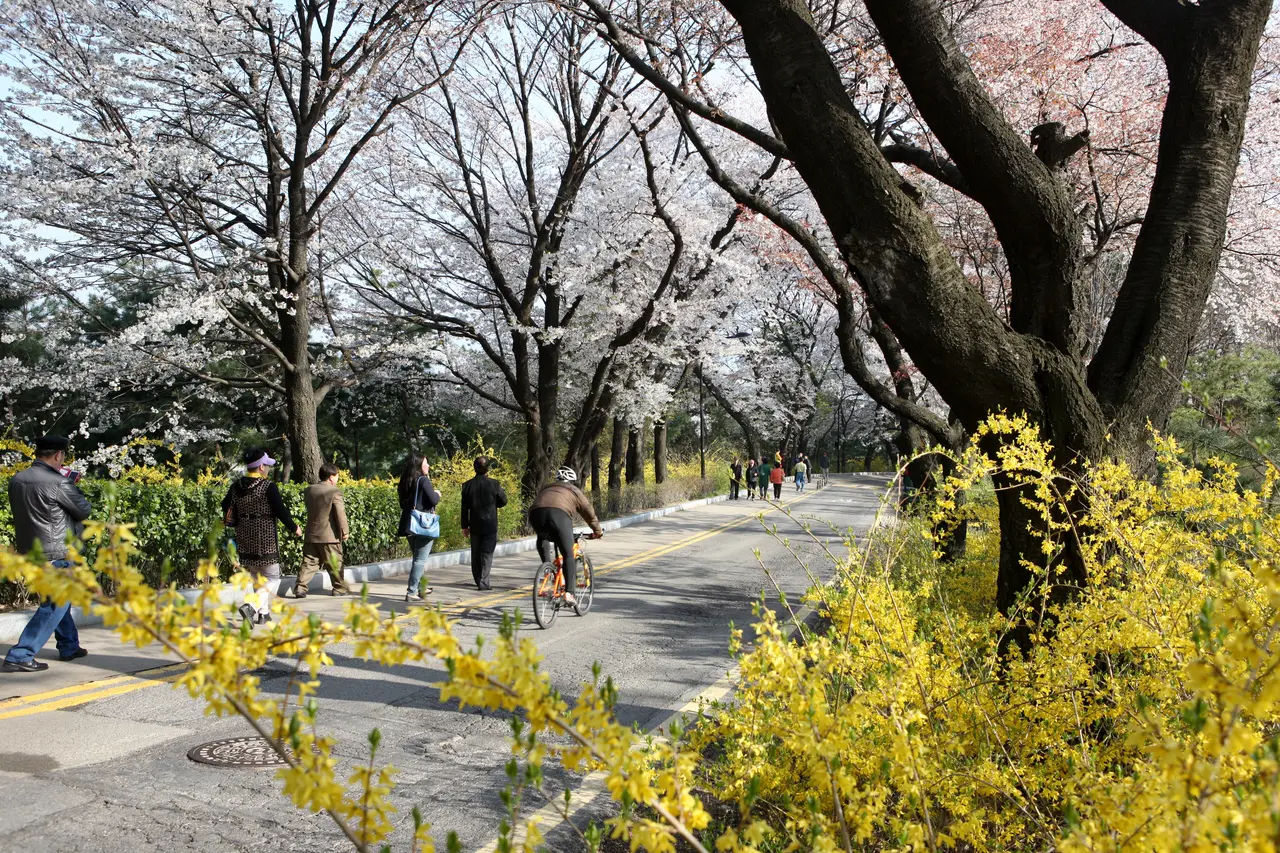
Cherry blossoms: The Korea Meteorological Administration recorded Seoul’s first cherry blossoms on April 1 in 2024, April 4 in 2025 and March 29 in 2026; the 1991 to 2020 normal is April 8. The 2027 date has not been forecast yet (as of November 2026), so plan for late March to mid-April and check the forecast before you book.
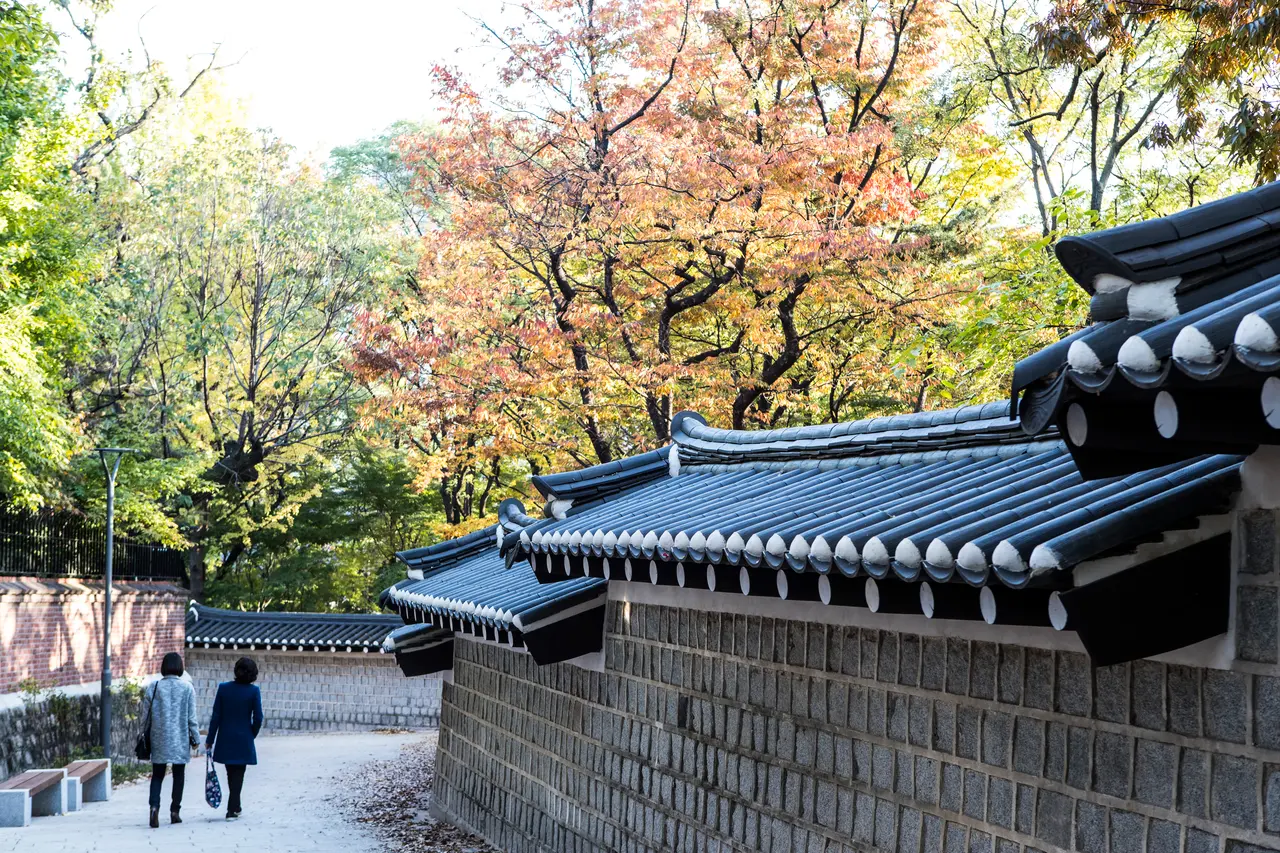
Autumn leaves: The Korea Forest Service’s 2026 forecast put the national peak in late October (ginkgo around October 30, maples around October 31). On Bukhansan, the KMA recorded the first autumn color on October 17 in 2023, two days later than normal. The KMA and the Forest Service define “peak” differently, so their dates differ. The Forest Service published its 2026 forecast in September; look for the 2027 forecast around the same time.
- Cherry Blossoms in Seoul: The Yeouido and Seokchon Lake festivals, Namsan, palace gardens and stream walks, with stations, last year’s festival dates and which spots are lit at night.
- Autumn Leaves in Seoul: When the leaves usually turn, the Secret Garden, the Deoksugung stone wall, ginkgo at Seoul Forest and Seonggyungwan, parks and mountains, with stations and 2026 dates.
- Christmas, New Year and Winter in Seoul: Christmas villages and markets, the lantern festival, the City Hall ice rink, New Year’s Eve and the January 1 sunrise, with 2026-27 dates and how to book without a Korean number.
- Seoul Festival Calendar: The festivals Seoul people go to every year, month by month, from the Lotus Lantern Festival in May and the Han River fireworks in autumn to palace night tours and the winter lanterns, with last year’s dates, stations and what needs a ticket.
- Rainy Days in Seoul: Indoor places Koreans go when it rains, from malls you reach underground from the subway and the National Museum of Korea to perfume workshops, escape rooms in English and photo booths.
Getting there and around
Most visitors arrive at Incheon Airport. See How to Get from Incheon Airport to Seoul for trains, buses and taxis by hotel area.
Before you go:
- K-ETA and the Korea Arrival Card: Who needs a K-ETA, who fills in an arrival card instead, and what customs and Q-CODE ask for, as of November 2026.
- Paying with Foreign Cards in Korea: Which transit cards, passes and apps work with a foreign card, including T-money and WOWPASS.
- Map Apps in Korea: What Google Maps can and cannot do in Korea and when to switch to Naver Map.
- SIM Cards, eSIMs and Pocket Wi-Fi in Korea: Carrier eSIM and SIM prices, airport counters and pocket Wi-Fi.
- Luggage Storage and Airport Delivery in Seoul: Subway lockers, staffed T-Luggage counters and sending bags to Incheon Airport before you fly, as of November 2026.
- How to Take the KTX in Korea: Which station, how long, how much and how to book KTX trains to Busan, Gyeongju, Gangneung and Jeonju by foreign card.
- Apps for Traveling in Korea: Which app to use for maps, translation, taxis, restaurant queues, delivery and trains, and what each needs without a Korean number.
- How to Eat Out in Korea: Two-serving rules, queues and break times, Korean barbecue, and vegetarian, vegan and halal food.
- Korea Itinerary: 7, 10 or 14 Days: Seoul, Gyeongju and Busan in a week, Jeonju, the east coast and Jeju in longer trips, with trains between cities and a daily budget.
- Korea Weather by Month and When to Go: Average temperatures and rain by month, the rainy season, typhoons, fine dust, what to wear and festivals.
- Is Korea Safe? Emergencies, Hospitals and Lost Items: 112, 119 and the 1330 helpline, tap water, hospitals with international clinics, pharmacies and lost property.
Questions travelers ask
Is Seoul worth visiting?
Seoul suits travelers who want royal palaces, shopping and Korean cosmetics, food and K-pop in one city, with neighborhoods a few subway stops apart. In 2025, 76.8 percent of foreign visitors to Korea went to Seoul. If city beaches or volcanic landscapes are what you are after, look at Busan or Jeju as well.
Seoul or Busan?
The two combine easily: the KTX from Seoul Station to Busan takes about 2 hours 44 minutes on a typical train. Seoul has the Joseon palaces and most of the shopping neighborhoods; Busan has city beaches, fish markets you can eat in and a temple on the sea. We suggest three to four days in Seoul and two to three in Busan.
Is Seoul good with kids?
Children aged 18 and under enter Gyeongbokgung free, and the National Museum of Korea has a free Children’s Museum, booked online by timed session from 14 days ahead. COEX has an aquarium on B1 (Gangnam and COEX), and Park Habio in southern Songpa combines a jjimjilbang with an indoor water park (Jjimjilbang). In bathhouses, children aged 4 and over may not use the changing rooms and baths of the opposite sex.
What is Seoul like in winter?
The palaces keep shorter hours: Gyeongbokgung is open 9:00 to 17:00 (last entry 16:00) from November to February, and Changdeokgung’s last English Secret Garden session is at 14:30 from December to February. The Hangang Parks have no fountains or tents from December to February, though the Hangang Bus keeps a winter timetable, and a jjimjilbang is the local way to warm up. On Bukhansan the routes are icy and the park says you must wear crampons (Hiking in Seoul).
Hotels
Experiences
All 73 guides in Seoul
-
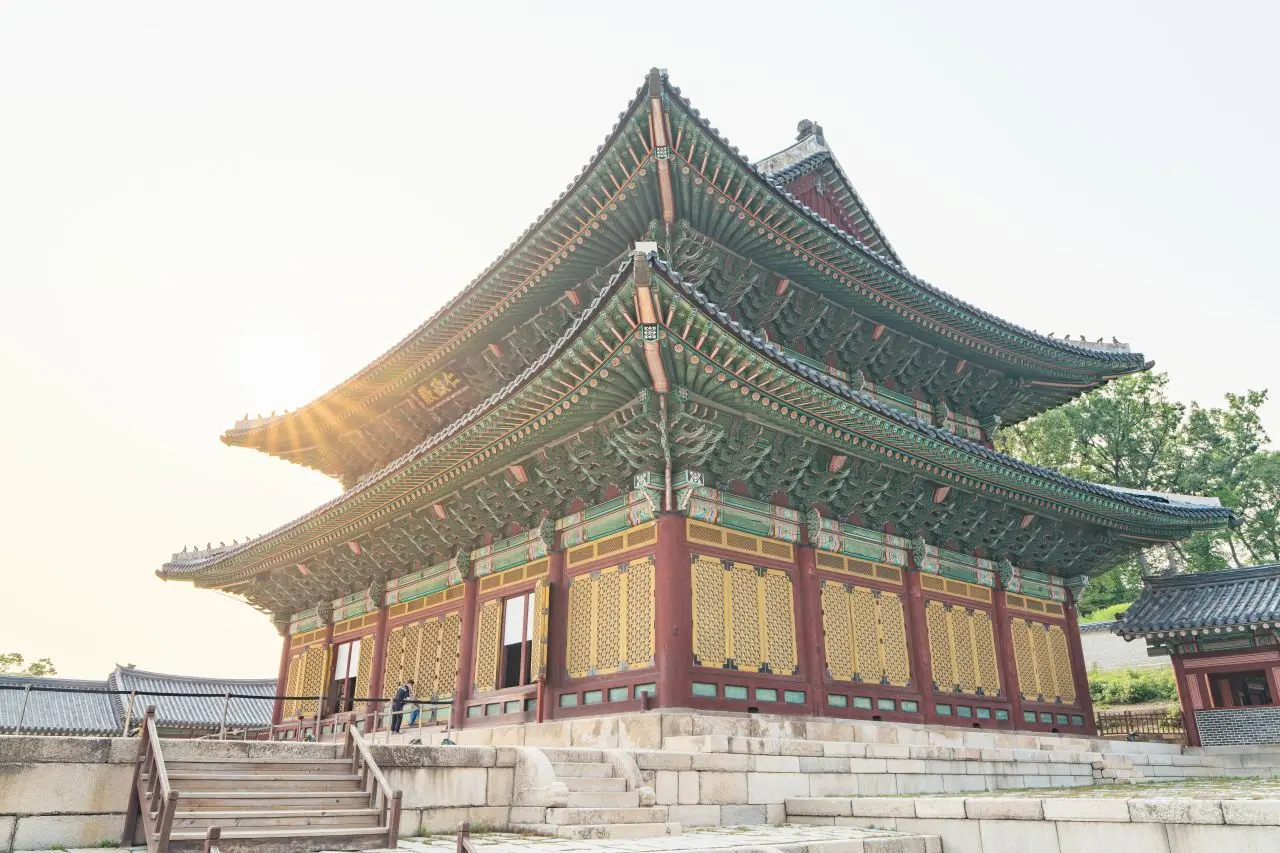 Changdeokgung PalaceSeoul's World Heritage palace, with a royal garden you enter only in timed sessions, some of them in English
-
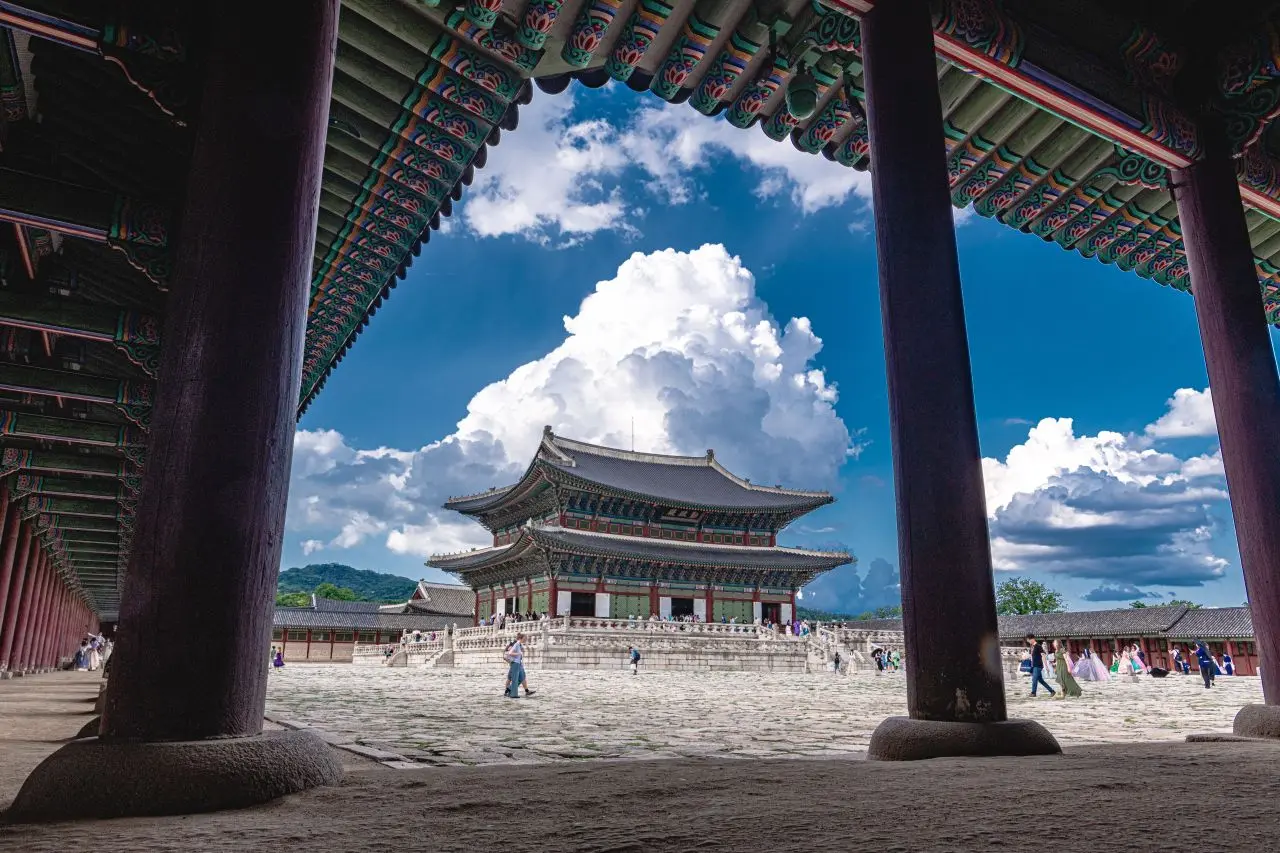 Gyeongbokgung PalaceThe first and largest Joseon palace, free to enter in hanbok, with a royal guard ceremony at its main gate
-
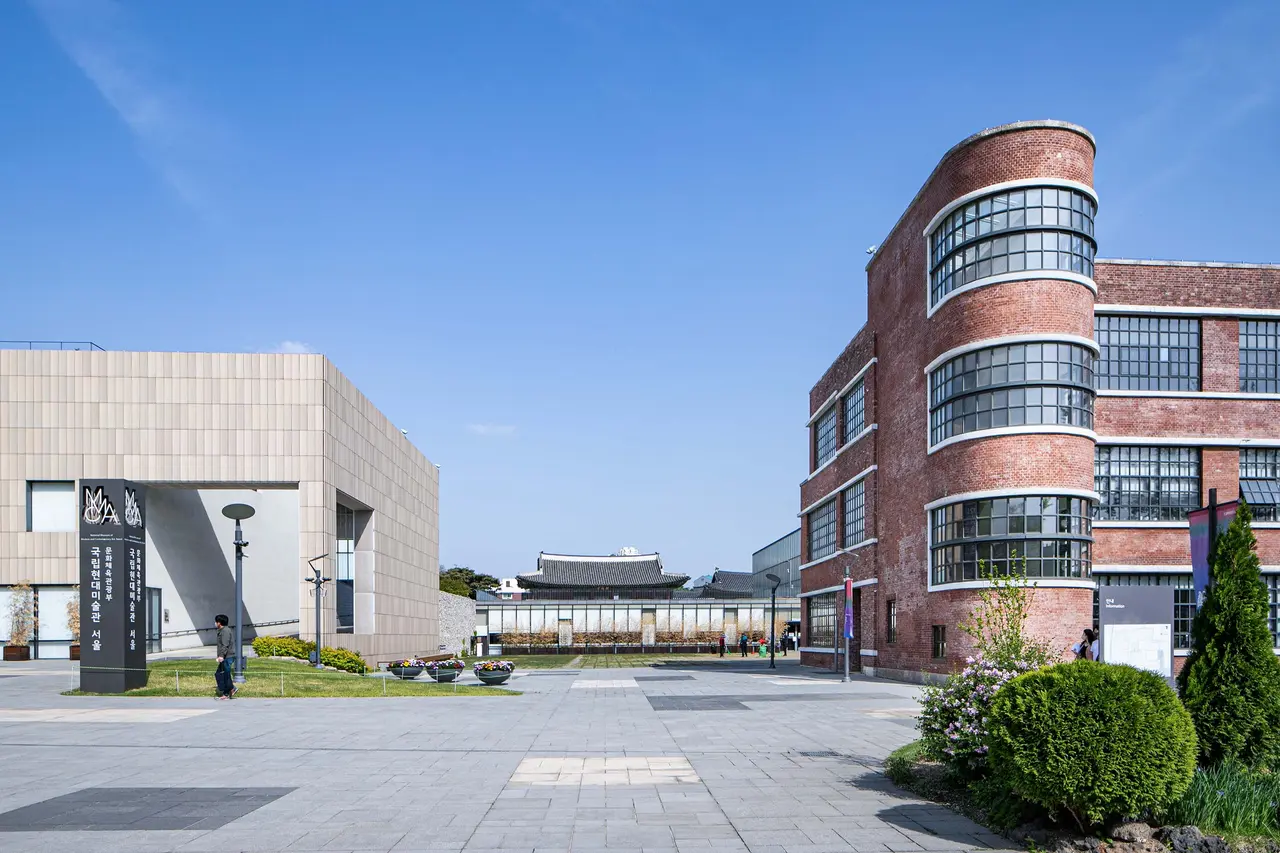 Art Museums and Exhibitions in SeoulEight Seoul art museums Koreans go to, with free days, late openings and how to get tickets without a Korean phone
-
 Autumn Leaves in SeoulWhen the leaves turn, palace gardens, ginkgo streets, parks and mountains, with stations, hours and 2026 dates
-
 Bukchon and Samcheong-dongLived-in hanok lanes between two palaces, open to visitors 10:00 to 17:00, and the gallery street by Gyeongbokgung
-
 BukhansanThe 836 m granite summit of Bukhansan National Park, a half-day climb from the end of a Seoul subway line
-
 Cherry Blossoms in SeoulWhen the trees bloom, the two big festivals, stream walks, palaces and quieter spots, with stations and 2026 dates
-
 Christmas, New Year and Winter in SeoulChristmas markets, the lantern festival, skating, New Year's Eve and the first sunrise in Seoul, 2026-27
-
 Daehangno, Hyehwa and NaksanSeoul's small-theater district, the hillside lanes of Ihwa-dong and a city wall walk with a night view over Seoul
-
 Deoksugung Palace and Jeongdong-gilThe Korean Empire's palace by City Hall, open until 21:00, with a guard ceremony at its gate and the Jeongdong-gil walk
-
 Dongdaemun Design PlazaZaha Hadid's curved building in Dongdaemun, with a free light show every evening and Joseon city wall remains next door
-
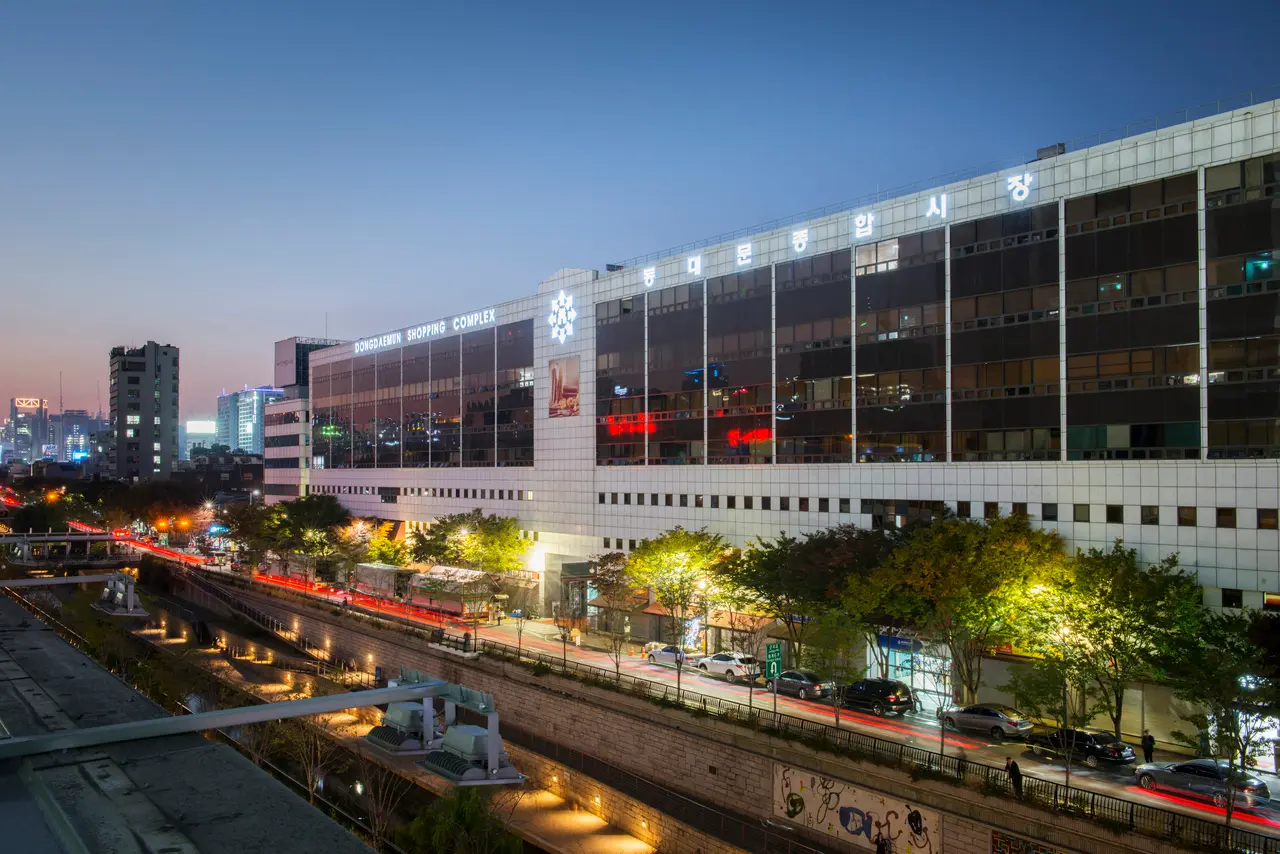 Euljiro and DongdaemunBeer and dried pollack in printing alleys, old naengmyeon houses, dakhanmari until 1:00 and all-night fashion markets
-
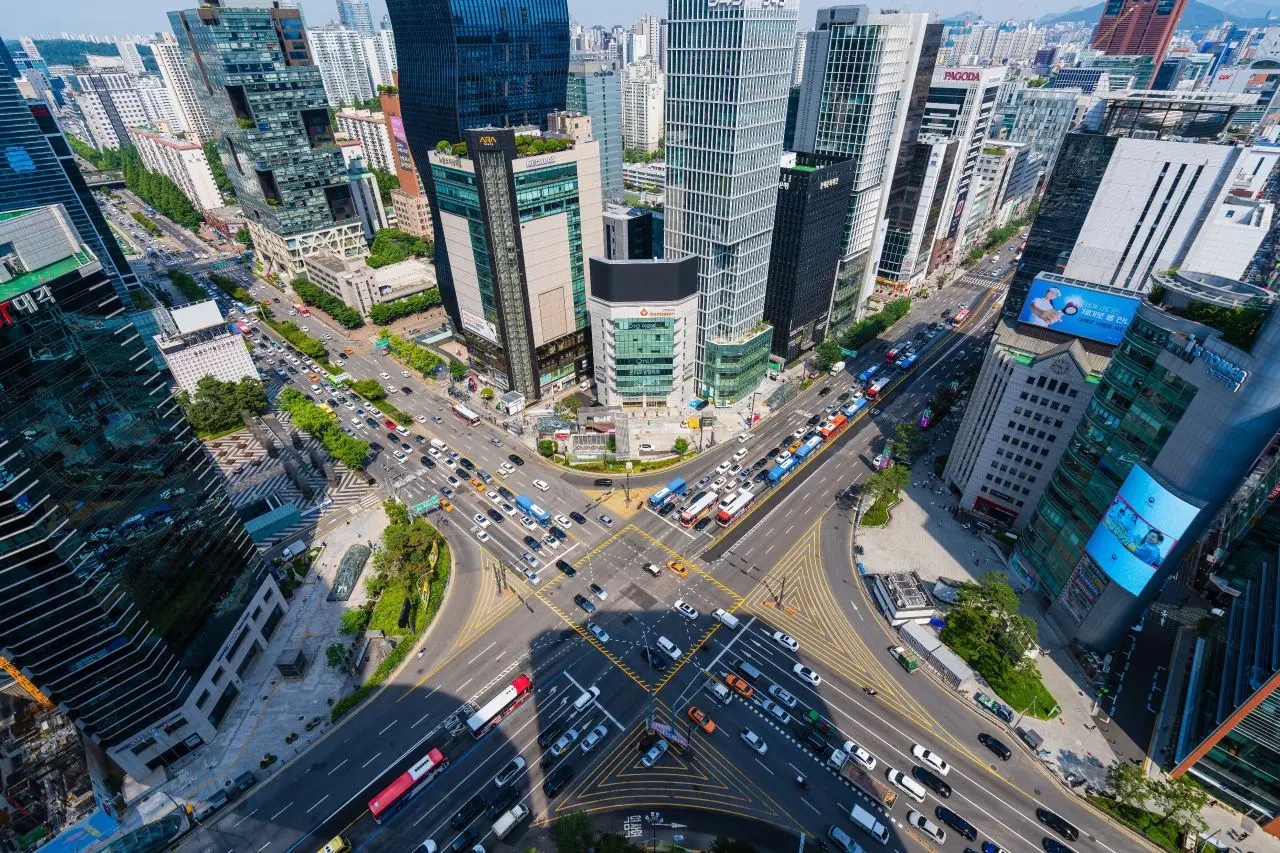 Gangnam and COEXCOEX Mall and Starfield Library, Bongeunsa Temple, Joseon royal tombs among offices, and where to eat by Gangnam Station
-
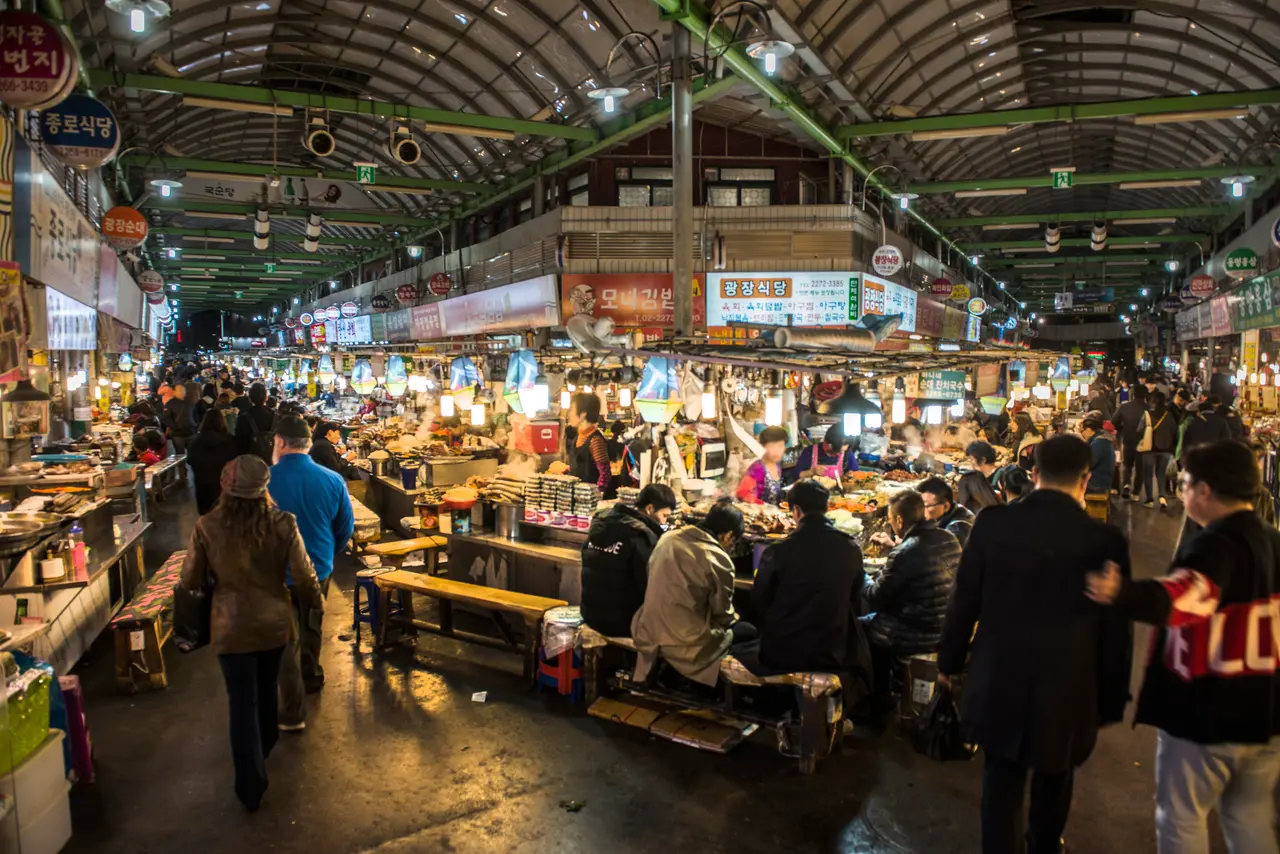 Gwangjang MarketKorea's first permanent market (1905), with a food alley of mung bean pancakes, yukhoe and gimbap open until 23:00
-
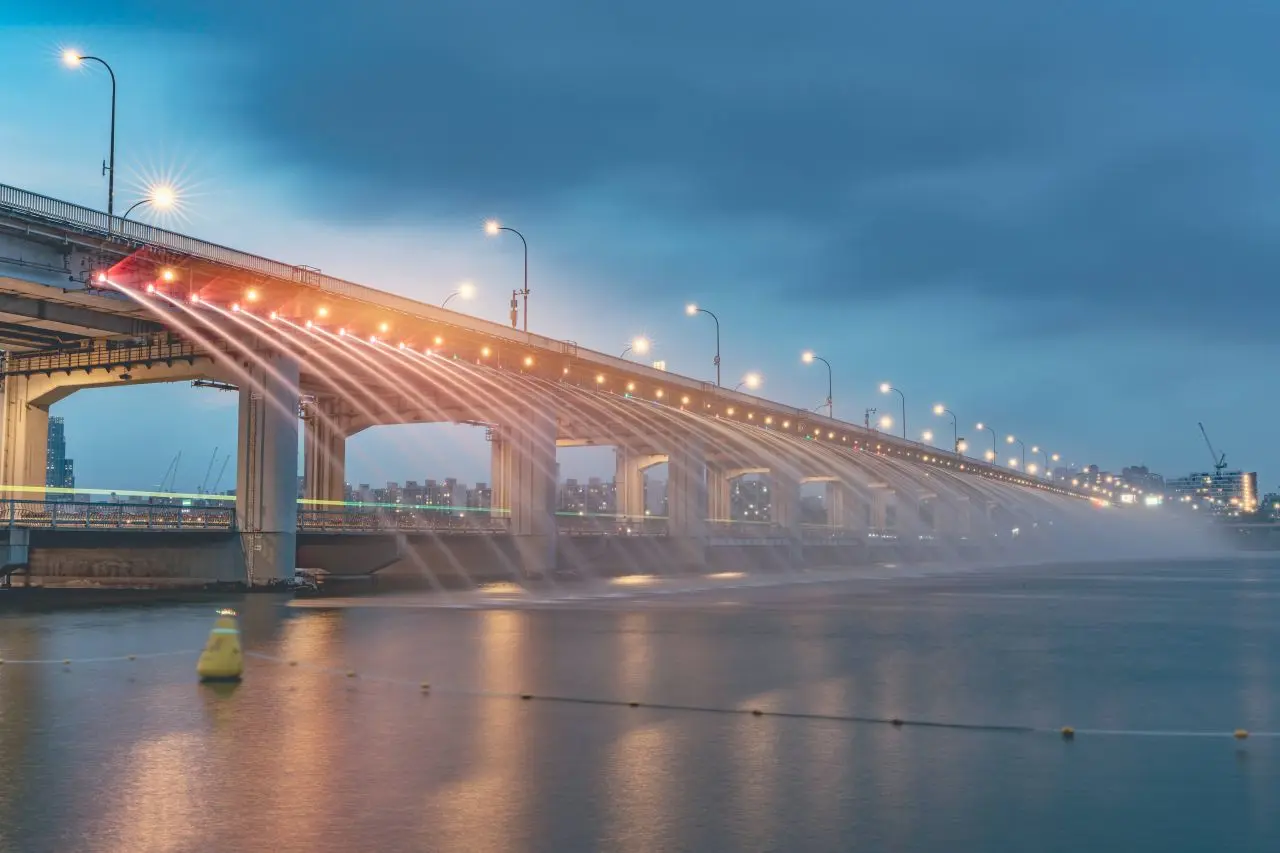 Hangang ParksSeoul's riverside parks: which one to pick, the bridge fountain, chicken delivery, bikes and the Hangang Bus
-
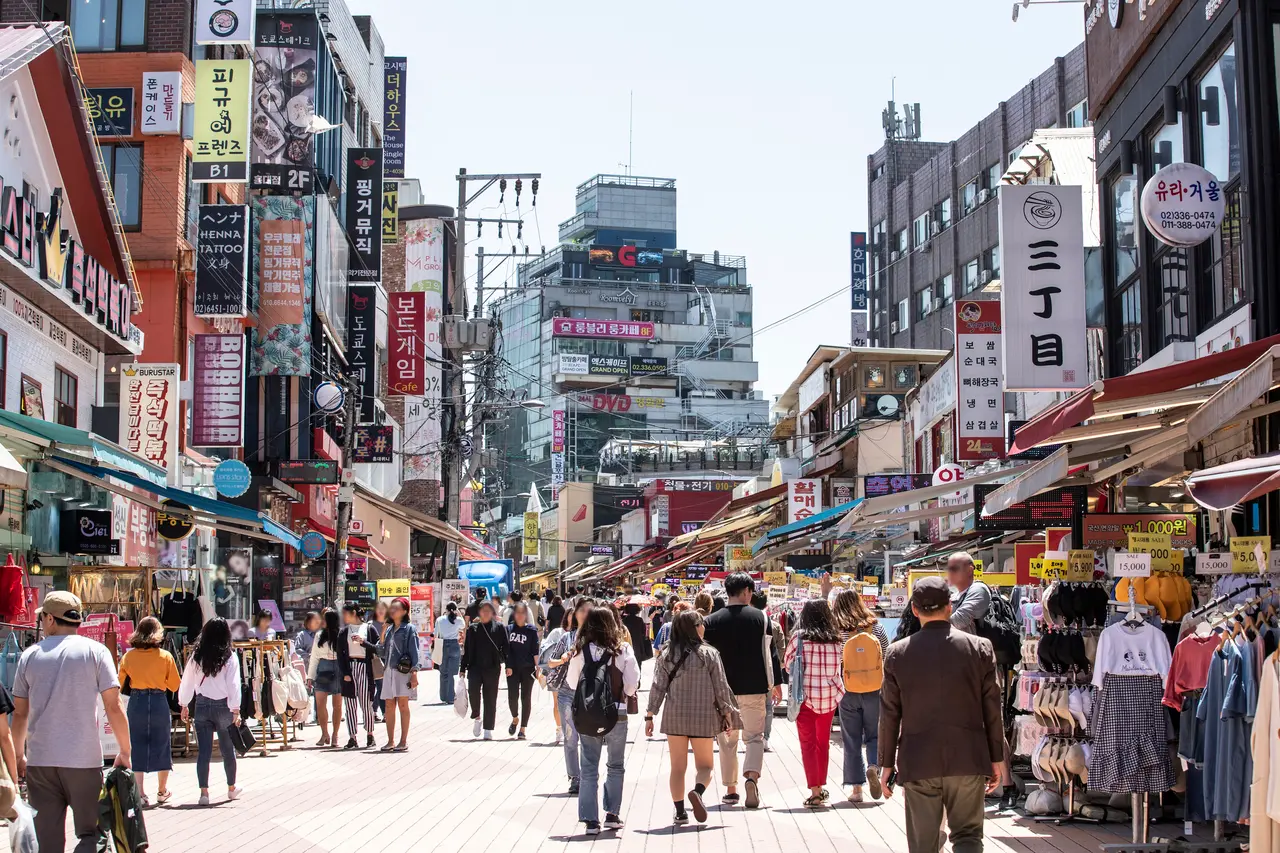 HongdaeSeoul's university district of street performers, indie live music, vintage shops and late nights
-
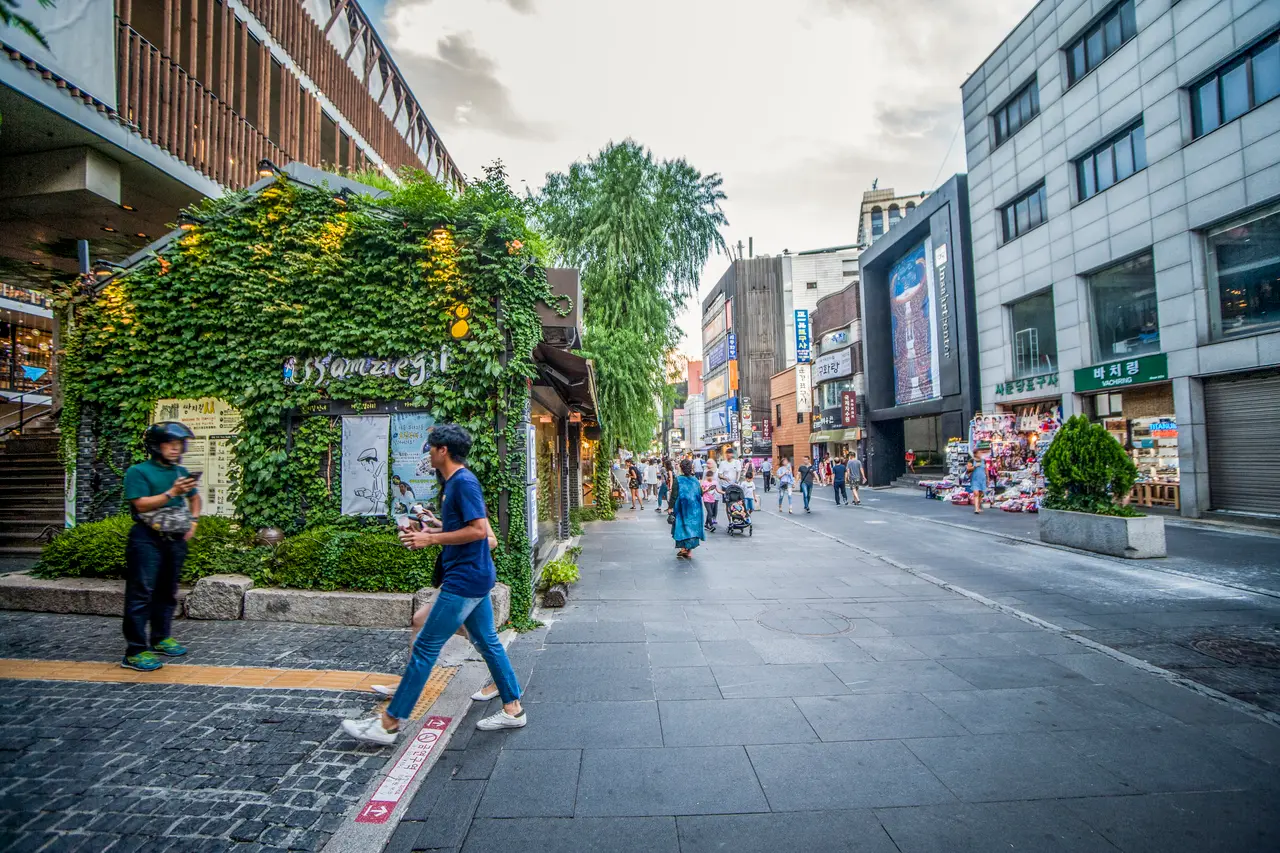 Insadong and IkseondongOld Seoul in Jongno: craft and hanji shops, teahouses, hanok cafes, century-old restaurants and street tent bars
-
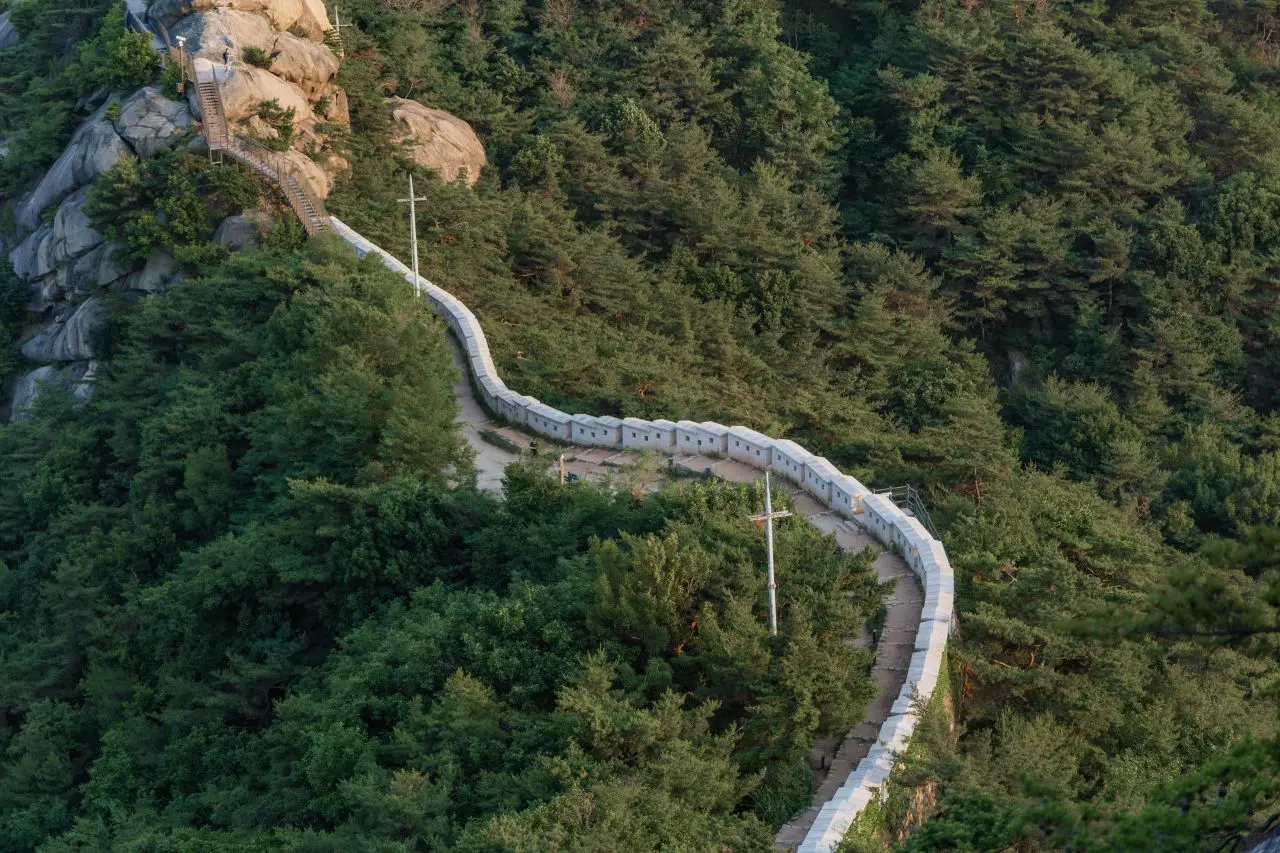 InwangsanA granite hill on the old city wall near Gyeongbokgung Station, with views over central Seoul day and night
-
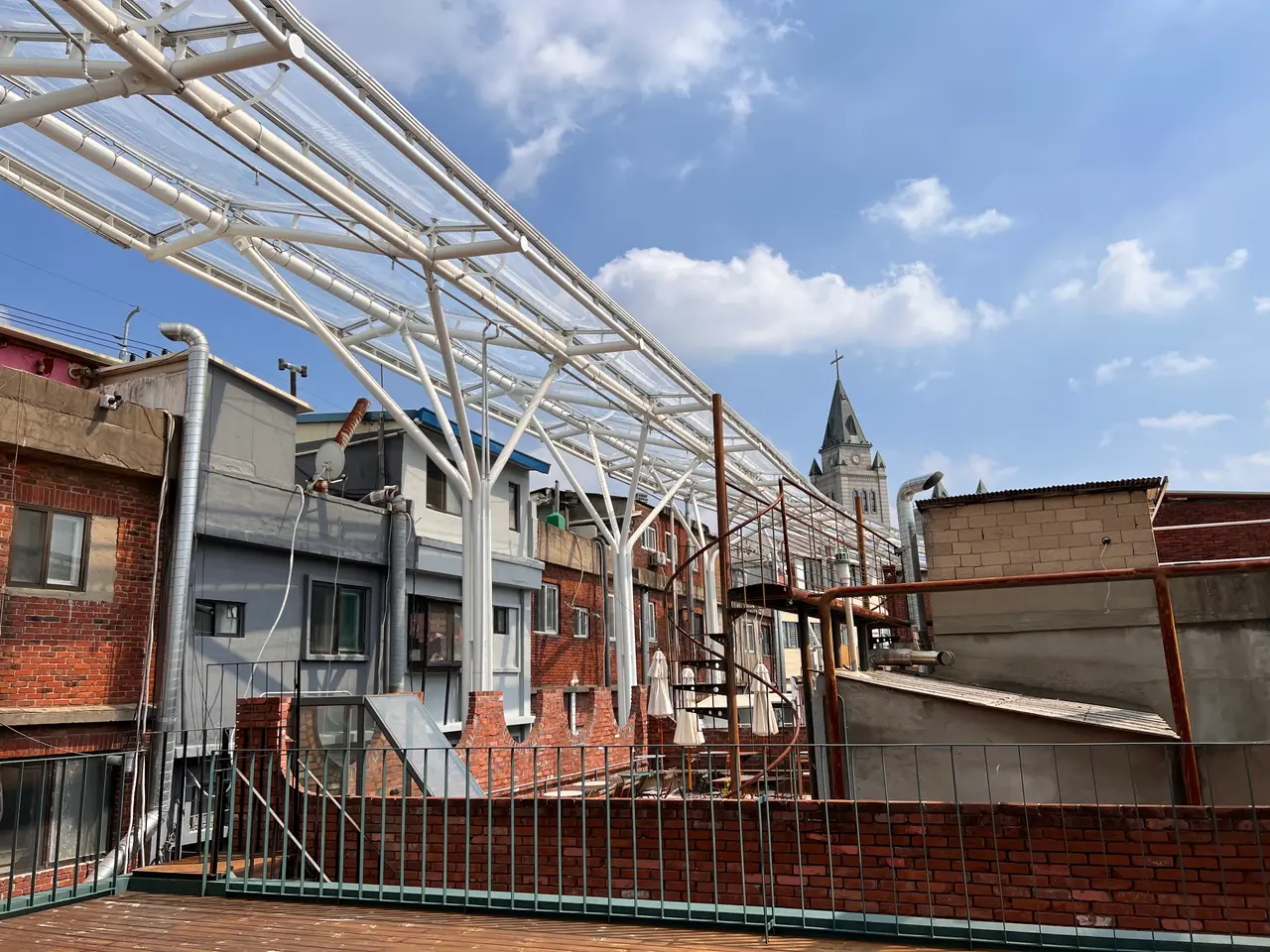 Itaewon and HannamKorea's first mosque, halal and world food, the Leeum museum, Korean brand stores in Hannam-dong, and bars
-
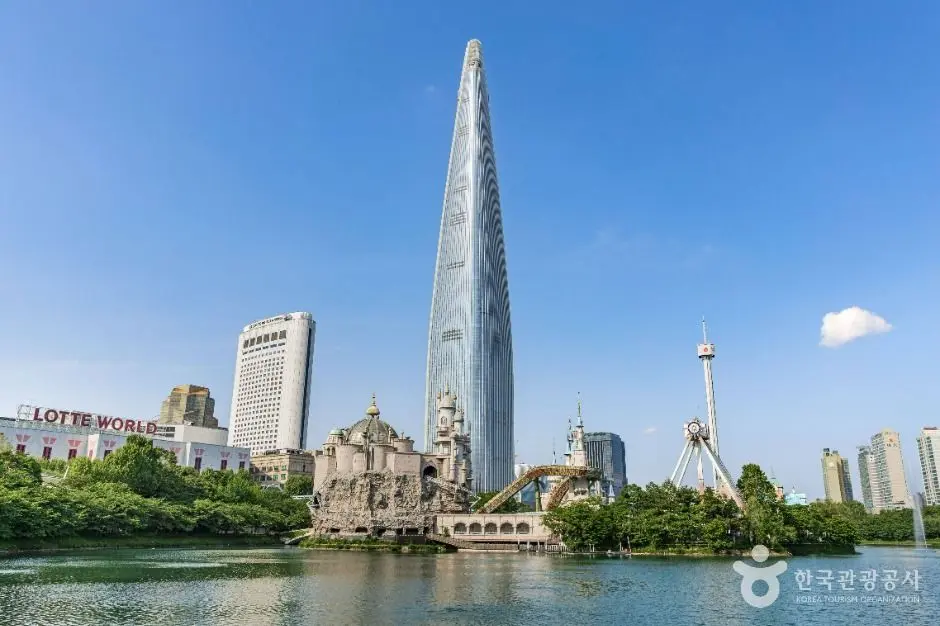 Jamsil, Seokchon Lake and Songridan-gilA lake walk below Lotte World Tower, a winter light festival, the Songridan-gil cafe lanes and an after-work food alley
-
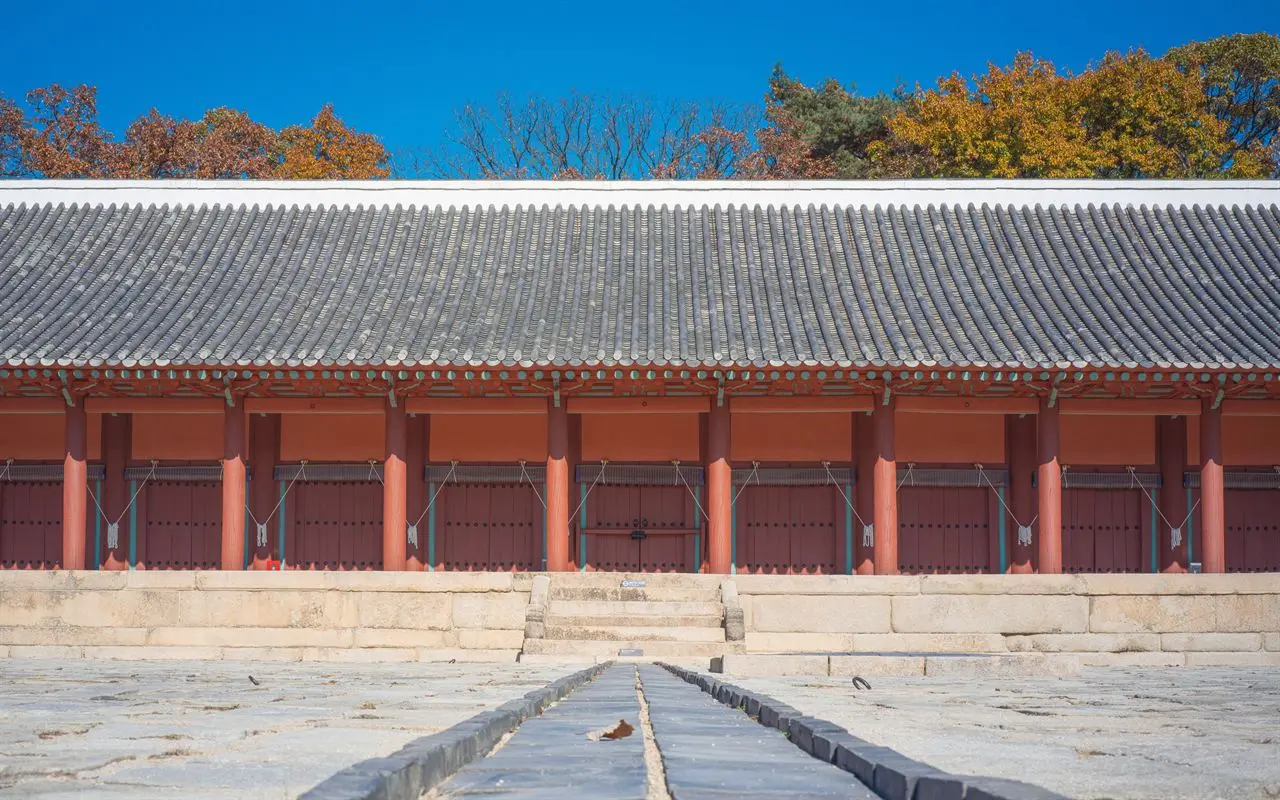 Jongmyo ShrineThe World Heritage royal shrine of the Joseon kings, reopened in 2025, with guided-only days and free-walking days
-
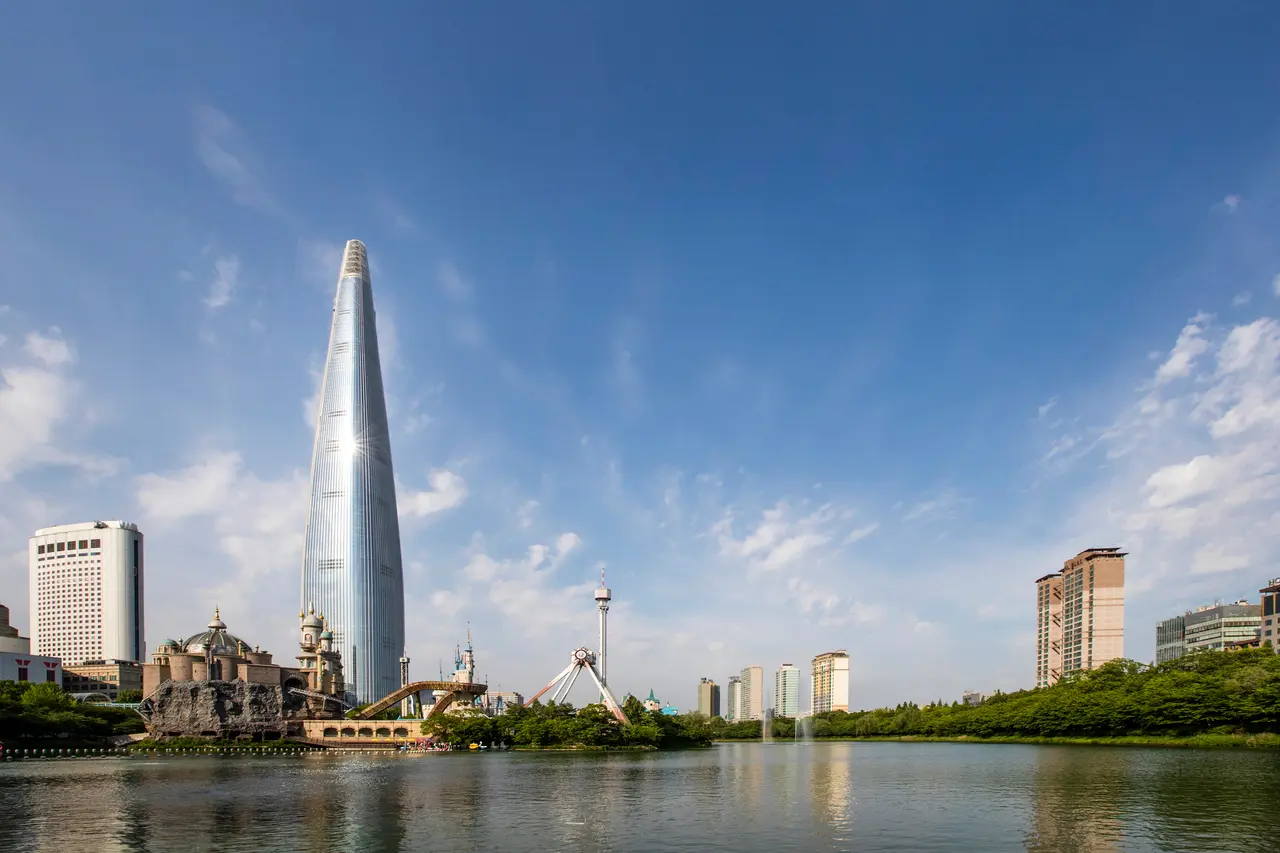 Lotte World Tower and Seoul SkyThe 555-meter tower in Jamsil with Korea's highest observation deck on top and a mall, aquarium and lake below
-
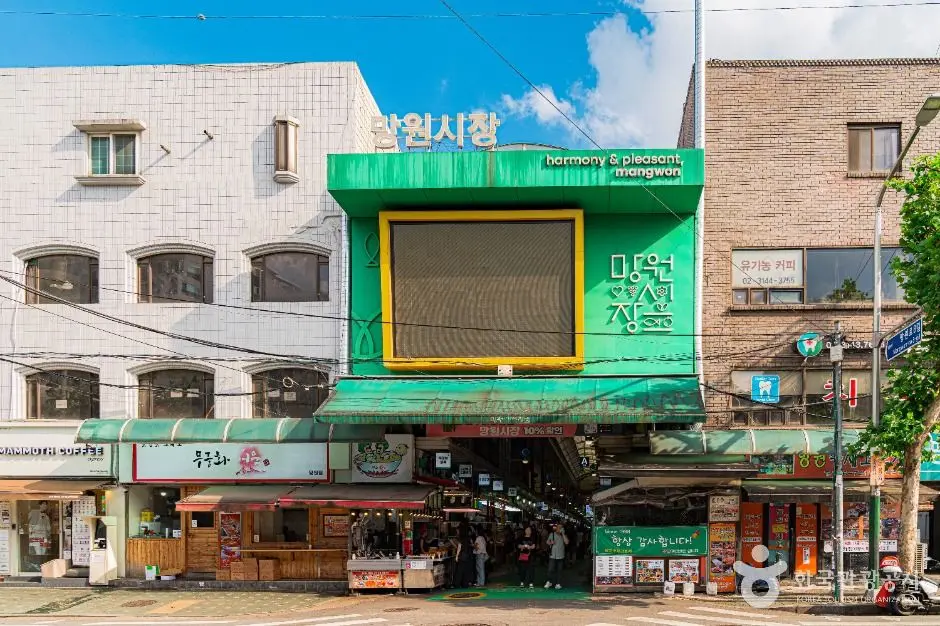 MangwonA residential Mapo neighborhood with a covered market, the Mangridan-gil bakery street and a Han River park
-
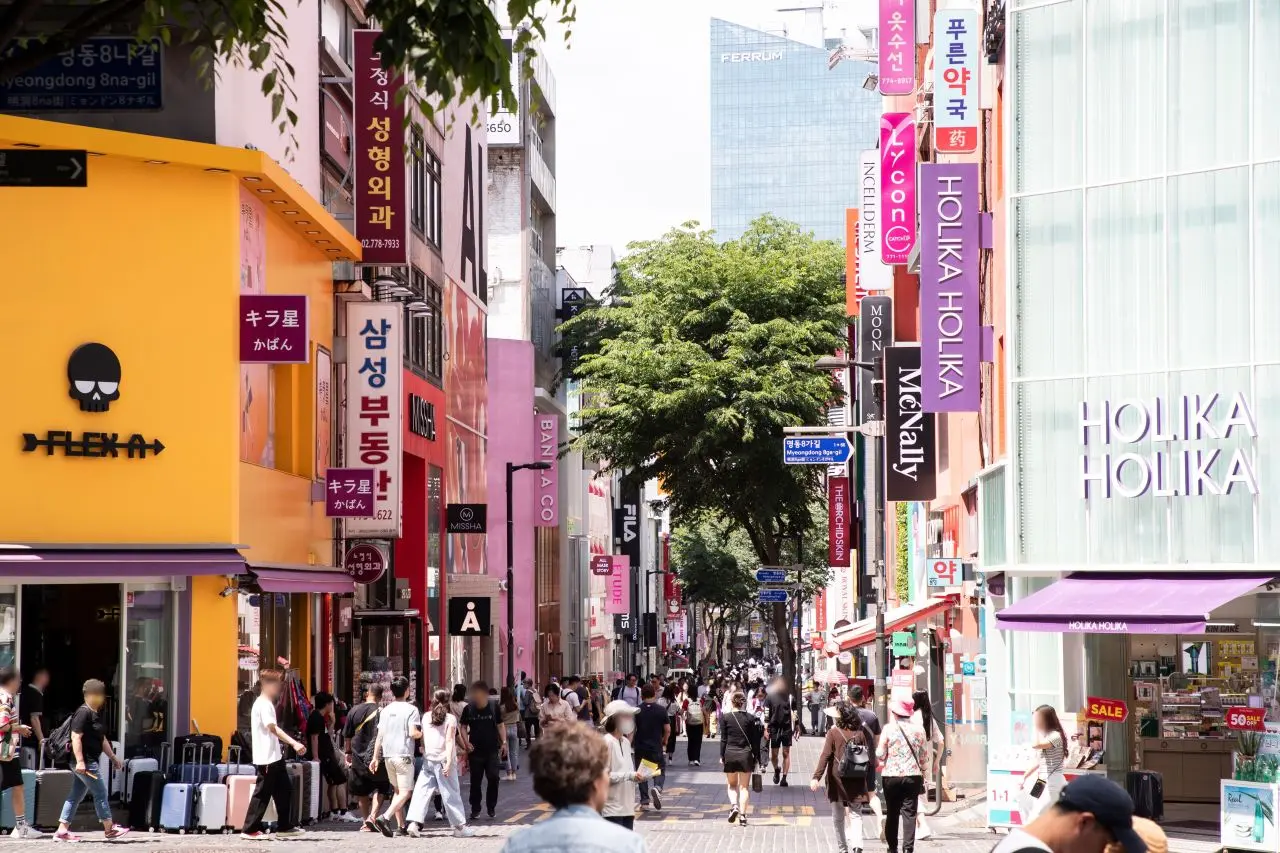 MyeongdongSeoul's main shopping district for foreign visitors, with cosmetics stores, street food and two department stores
-
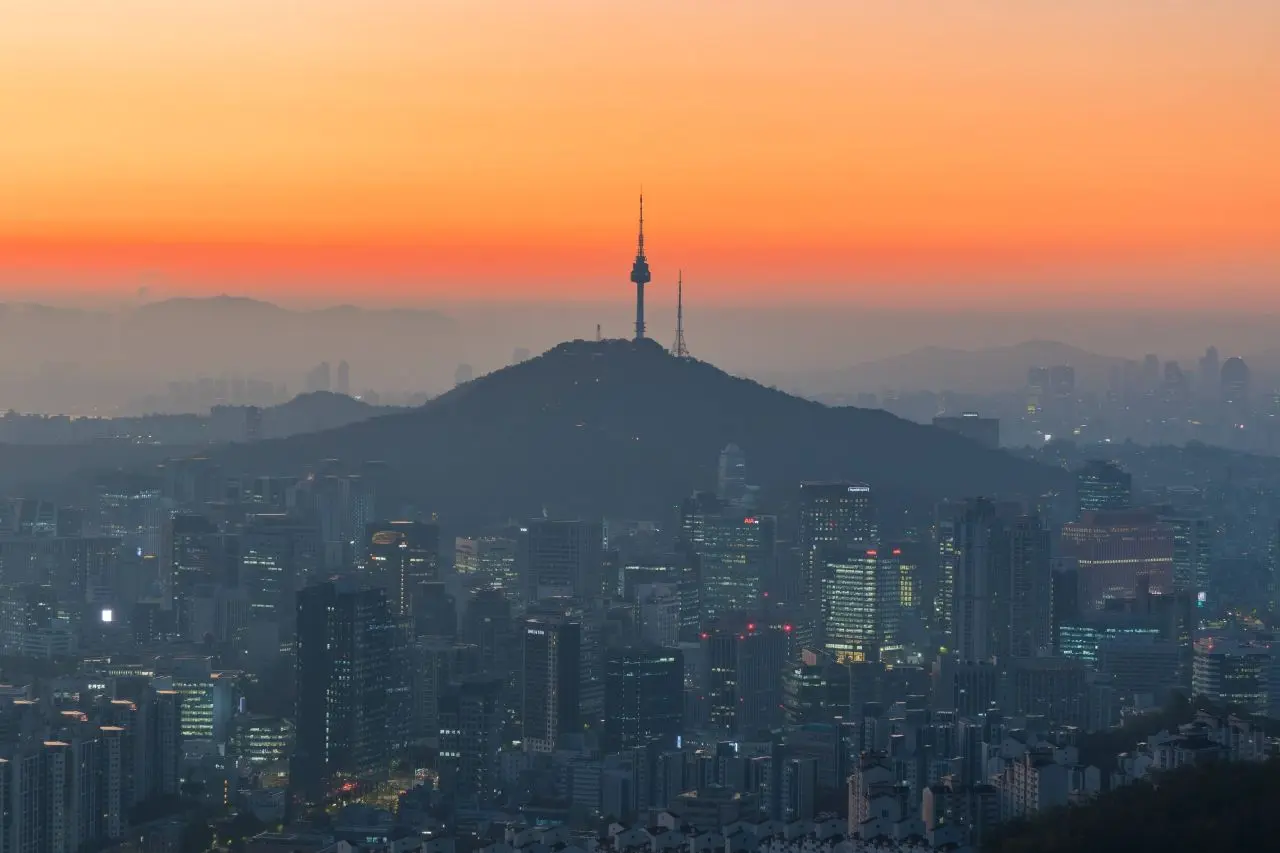 N Seoul Tower and NamsanThe broadcasting tower on the hill in the middle of Seoul, reached by cable car, circular bus or a 30 to 40 minute walk
-
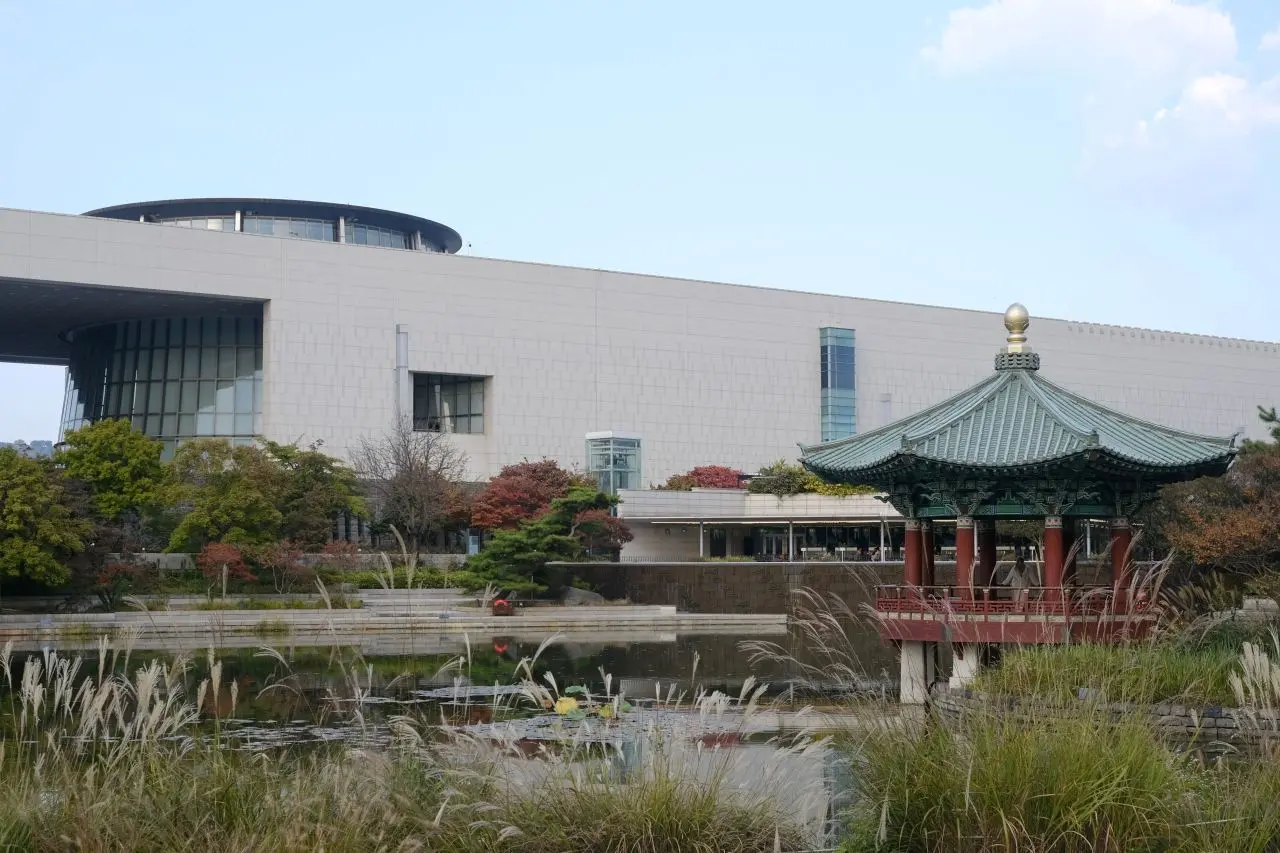 National Museum of KoreaKorea's national museum in Yongsan, free to enter, with two pensive bodhisattvas in a room of their own
-
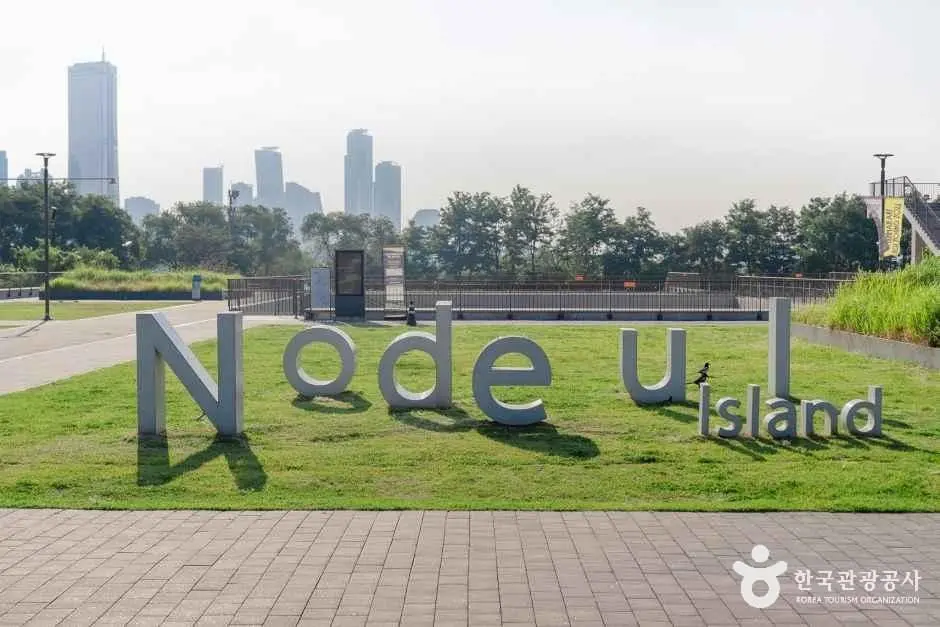 Nodeul Island and the Han River at NoryangjinA free island under Hangang Bridge for sunsets and picnics, with sashimi from Noryangjin and two hills of Joseon history
-
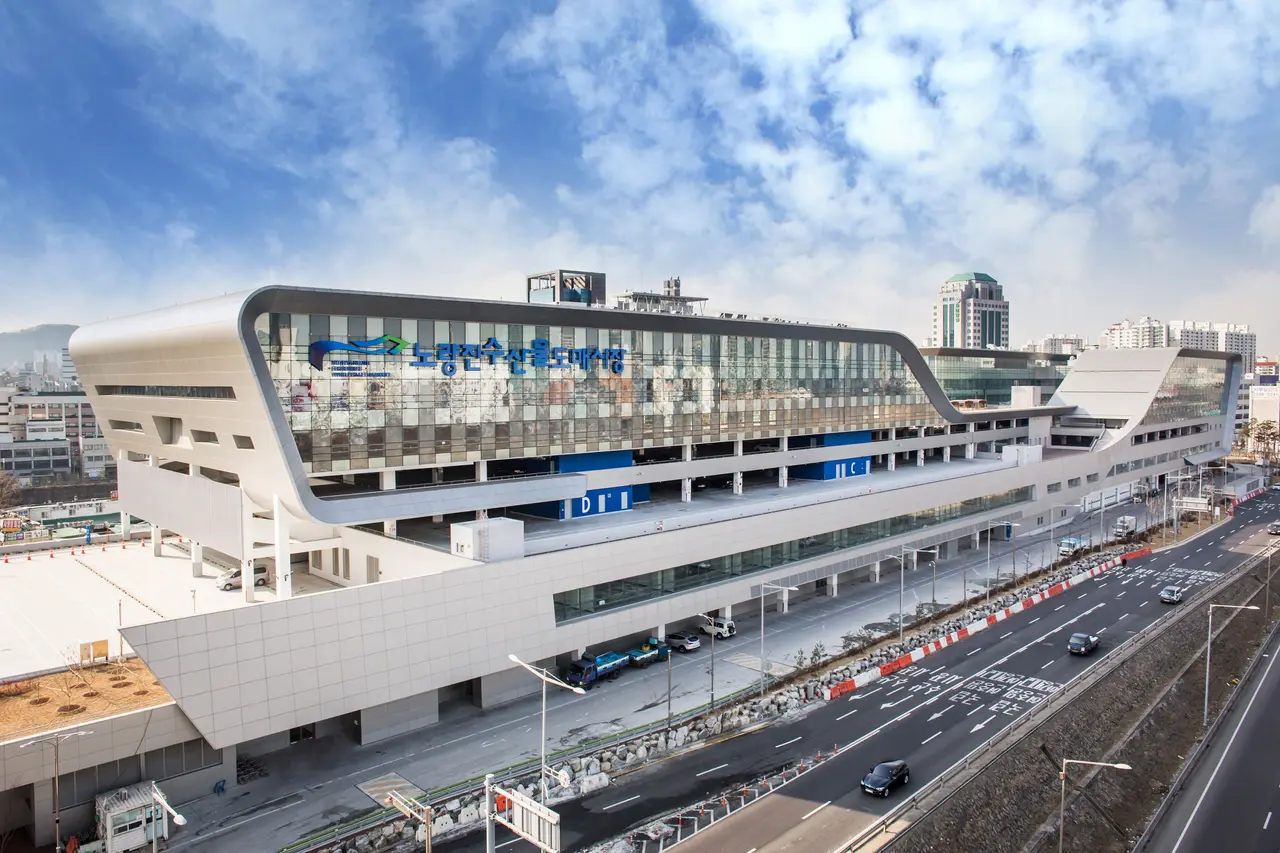 Noryangjin Fish MarketSeoul's big seafood wholesale market: pick live fish downstairs, then eat it as sashimi and spicy stew upstairs
-
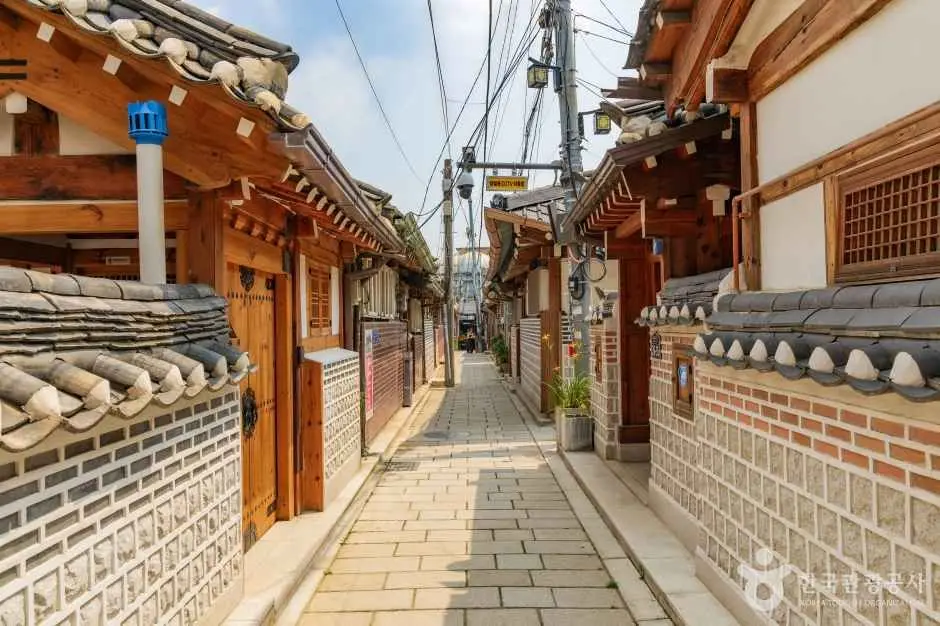 SeochonOld lanes, hanok and small museums between Gyeongbokgung Palace and Inwangsan, with Tongin Market's coin lunchbox
-
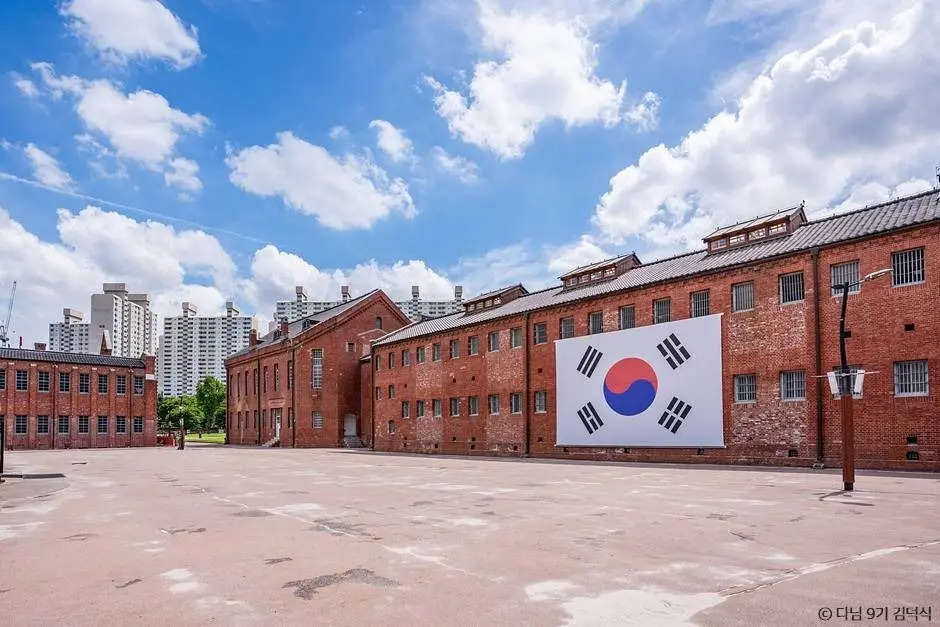 Seodaemun Prison History Hall and Independence ParkThe 1908 prison museum by Dongnimmun Station, with Independence Gate, the Ansan Jarak-gil and Yeongcheon Market
-
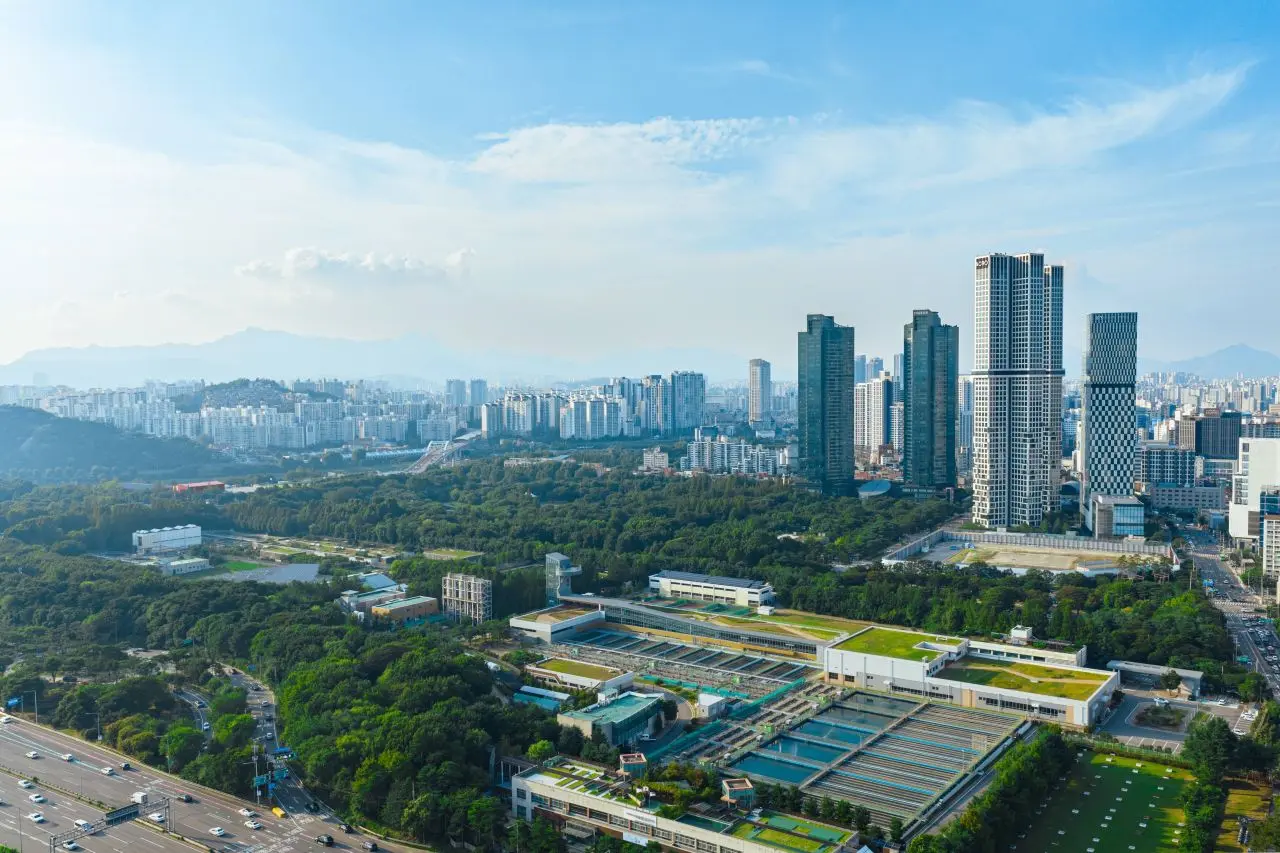 SeongsuFormer factory district in Seongdong-gu with brand flagship stores, pop-up stores, warehouse cafes and Seoul Forest
-
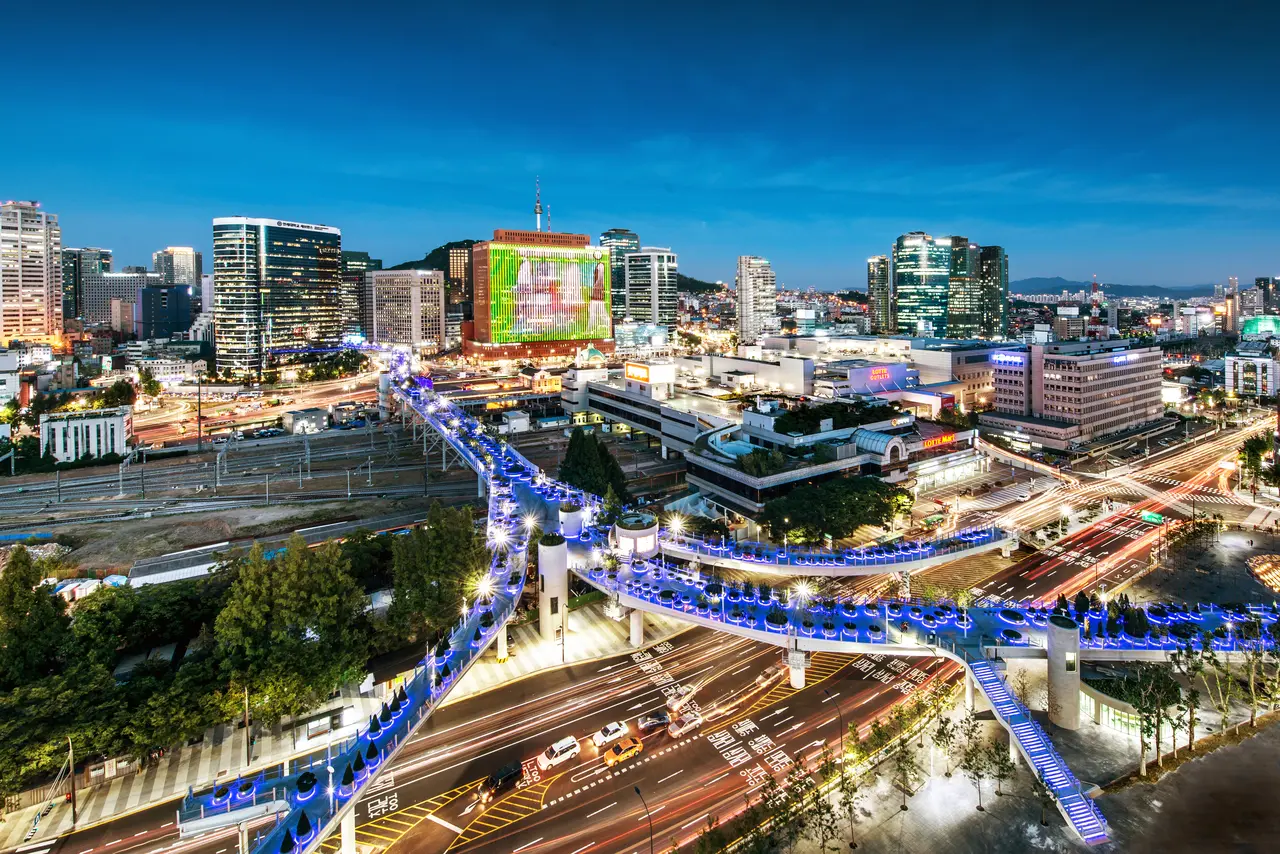 Seoul at NightFree evening walks along a stream, a city wall and the Han River, two paid observatories and palaces open until 21:00
-
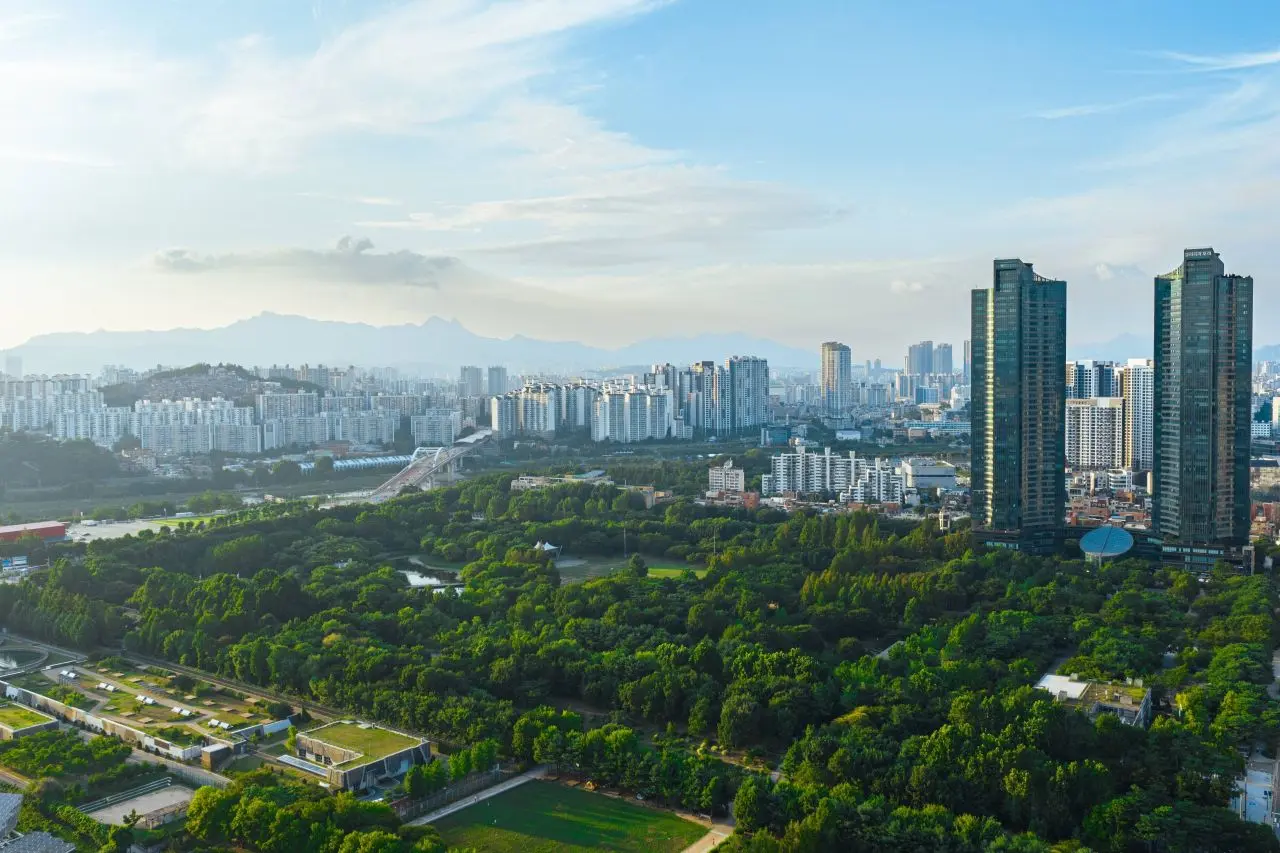 Seoul ForestA free 24-hour park beside Seongsu, on an old racecourse and waterworks, with sika deer, a tulip path and ginkgo trees
-
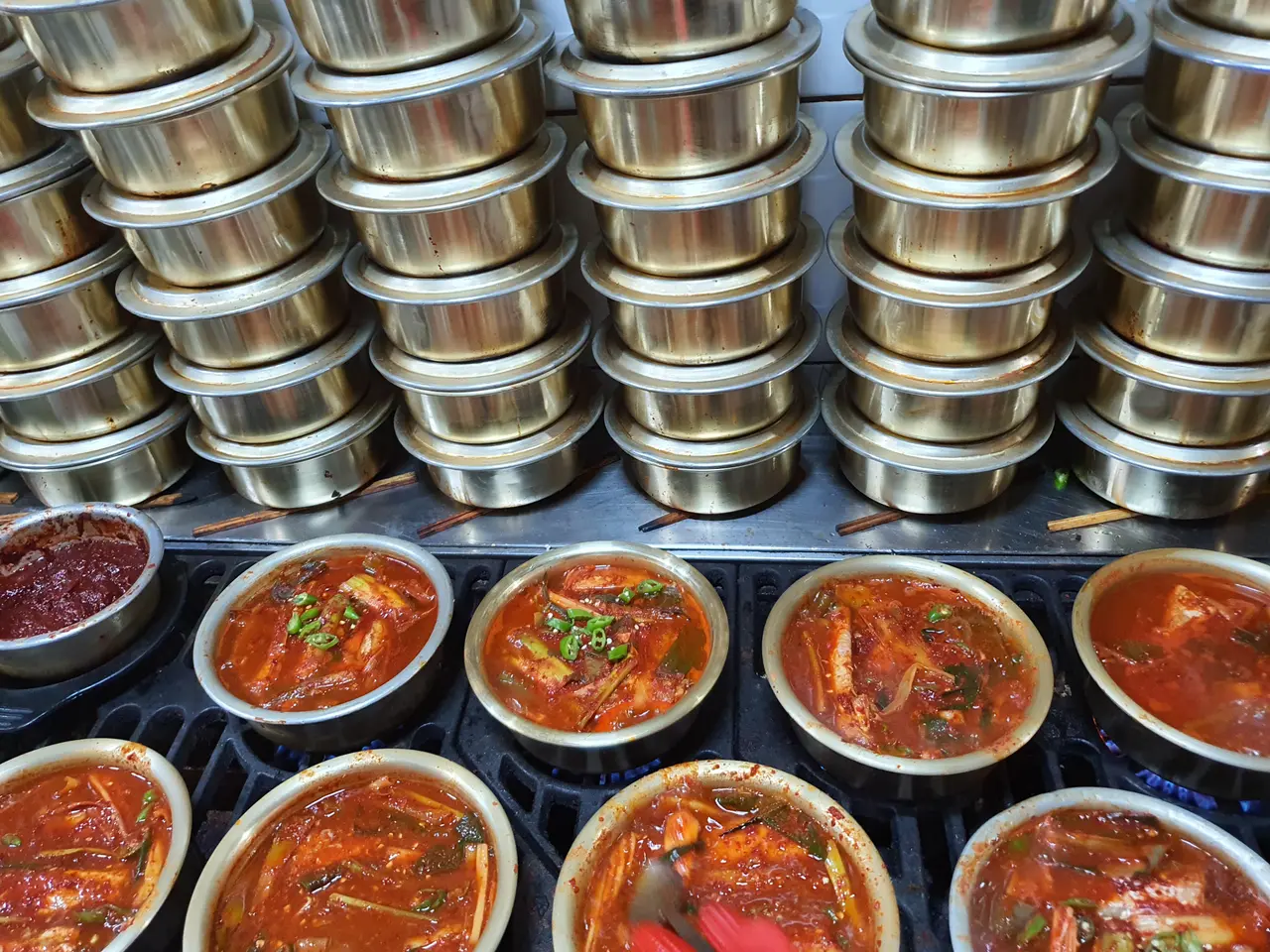 Seoul Market Food TourWhat Koreans eat at Namdaemun, Gyeongdong, Cheongnyangni, Tongin, Sindang and Mangwon markets, with stalls and prices
-
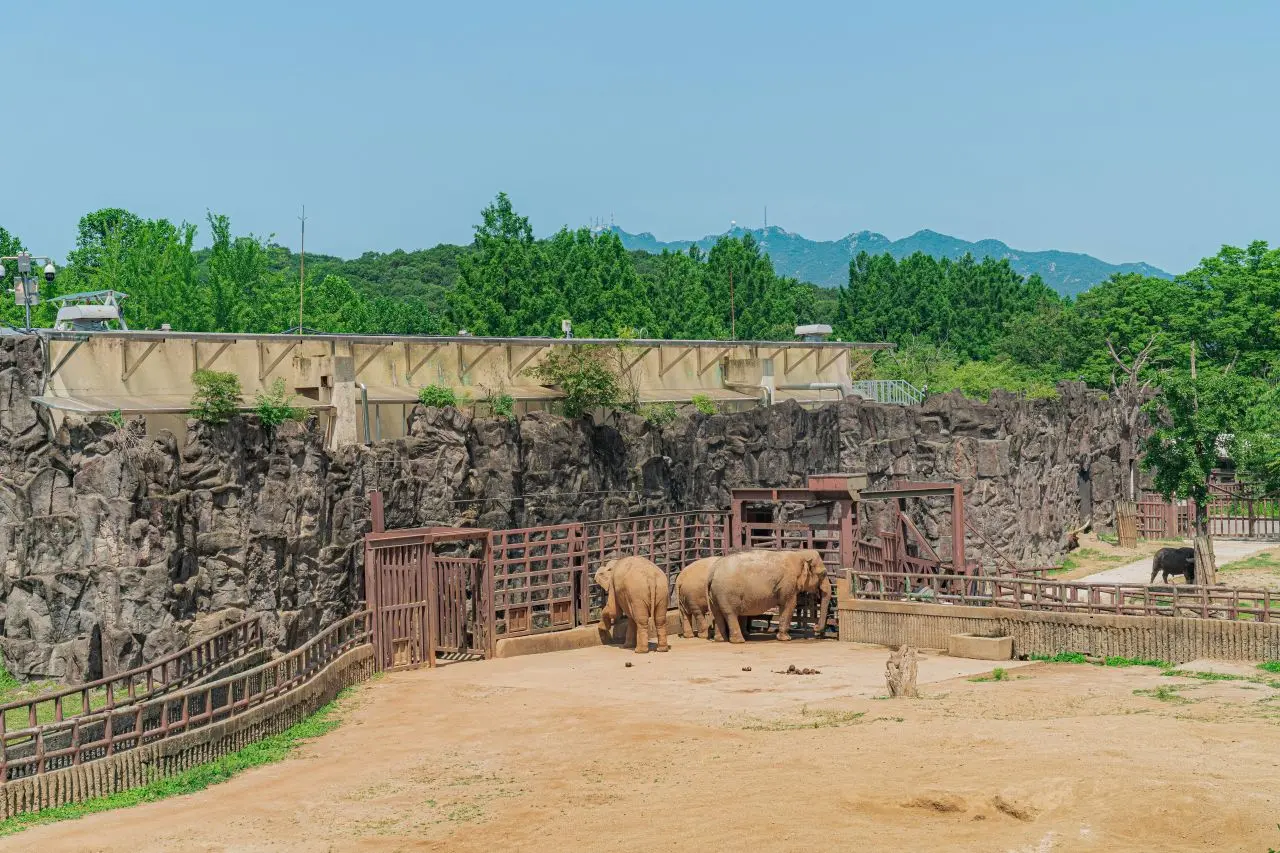 Seoul with KidsWhere Korean families take their children: a 5,000-won zoo, a free park with its own zoo, and indoor picks for rain
-
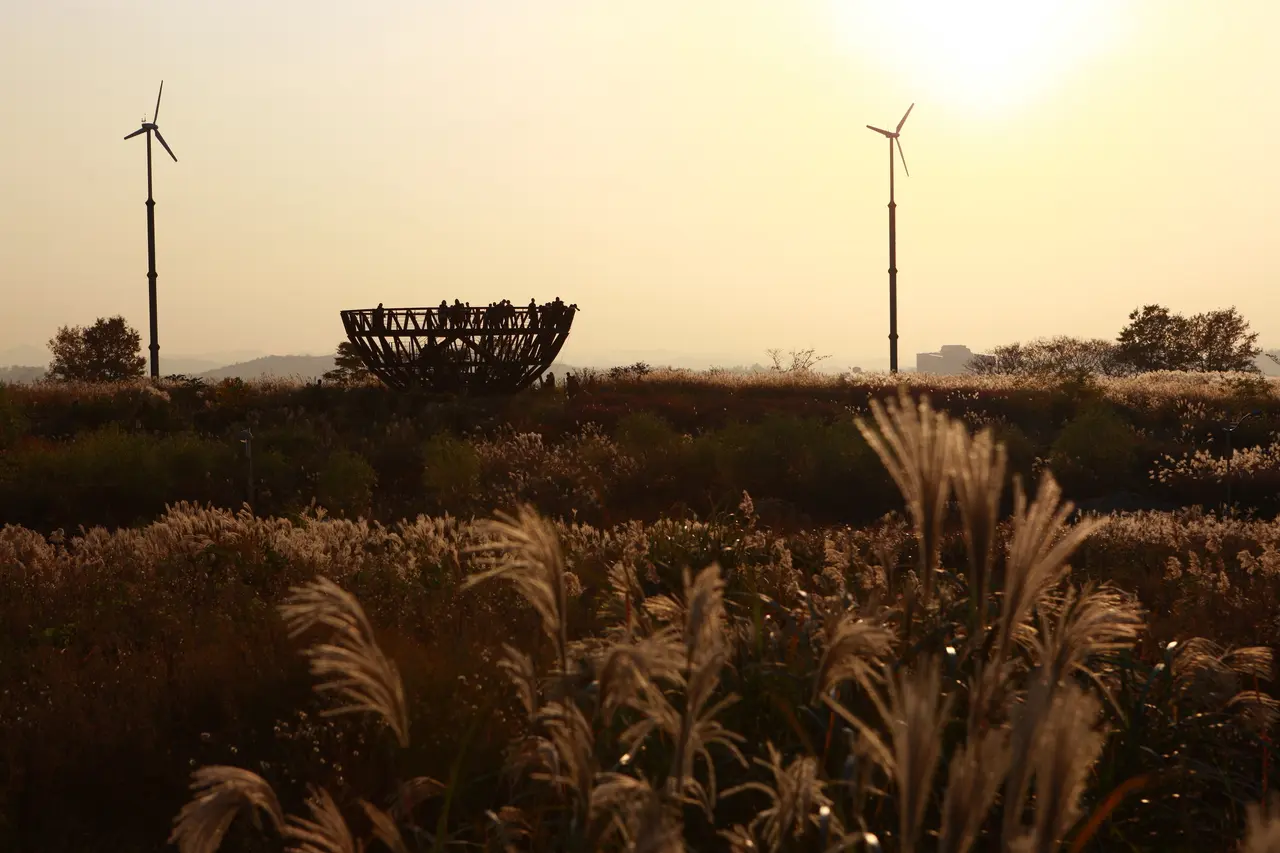 Seoul's Big ParksFive large parks Seoul people visit by season: silver grass, autumn flowers, cherry blossoms and a glasshouse for winter
-
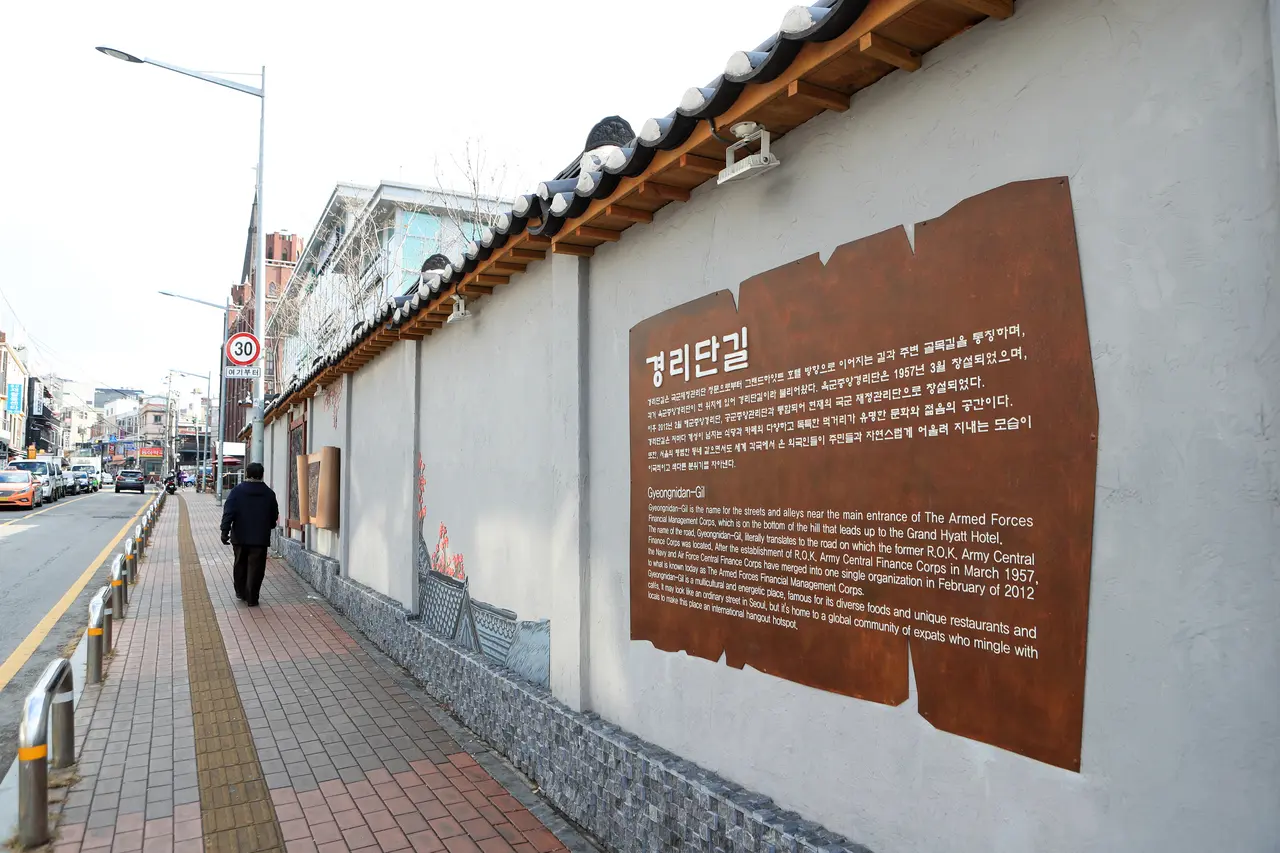 Seoul's Hot Streets and the "-ridan-gil" NamesWhere young Seoulites go out now, why so many streets end in -ridan-gil, and how Koreans find the next hot place
-
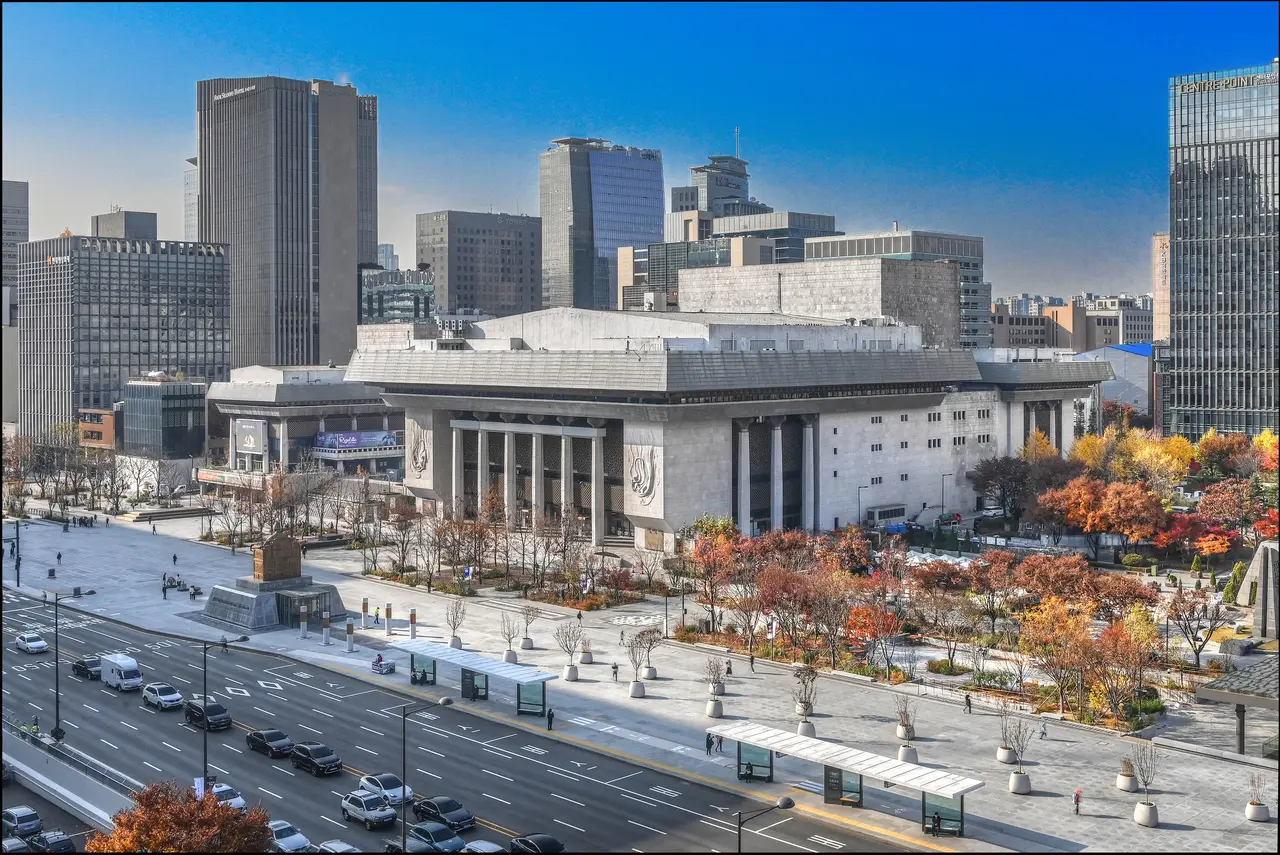 Shows in SeoulShows you can follow without Korean: NANTA and other non-verbal shows, Saturday gugak, and big musicals with subtitles
-
 Sinsa, Garosu-gil, Apgujeong Rodeo and DosanGarosu-gil and its back lanes, the revived Apgujeong Rodeo, Dosan Park's flagships and Cheongdam's cocktail bars
-
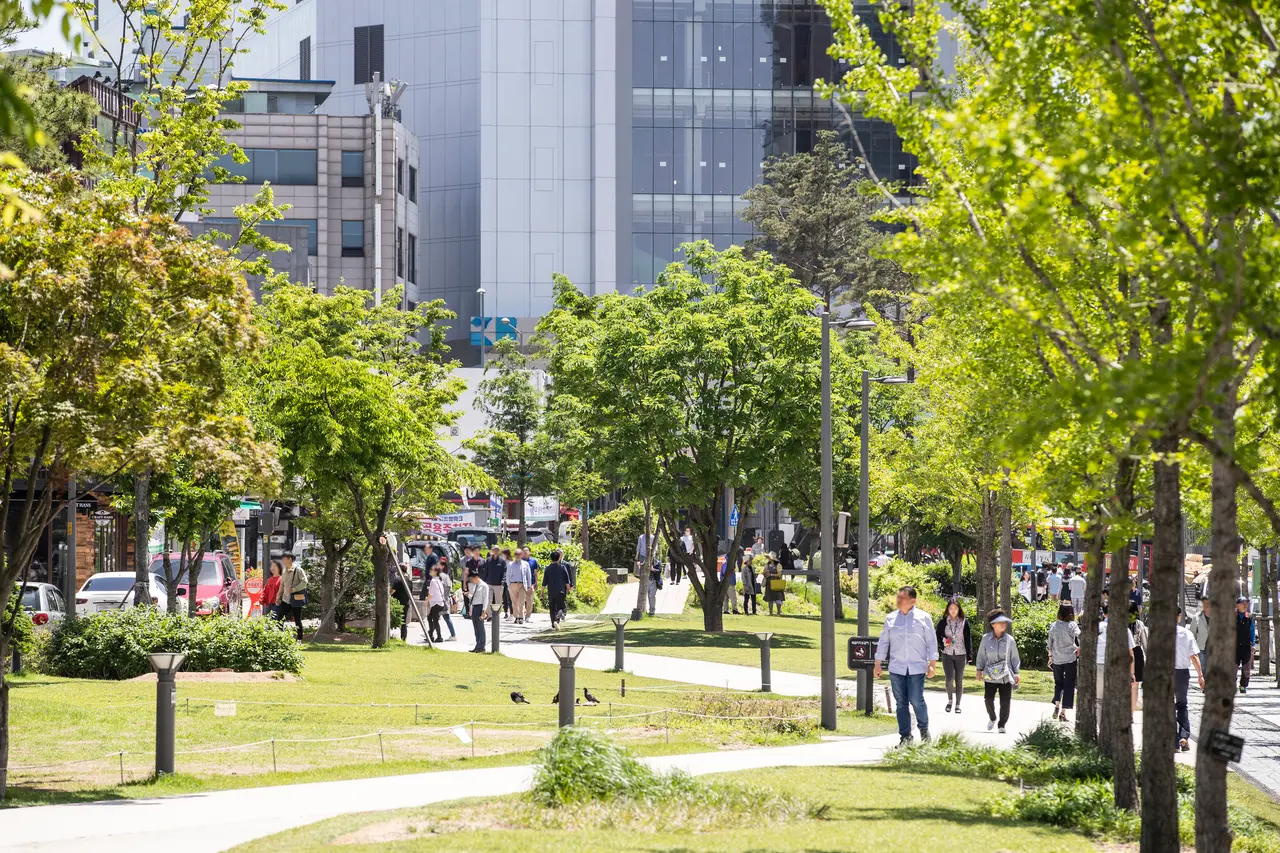 Yeonnam-dong and Yeonhui-dongA park on an old railway line north of Hongdae, small shop lanes, Chinese dumplings, bakeries and an old supermarket
-
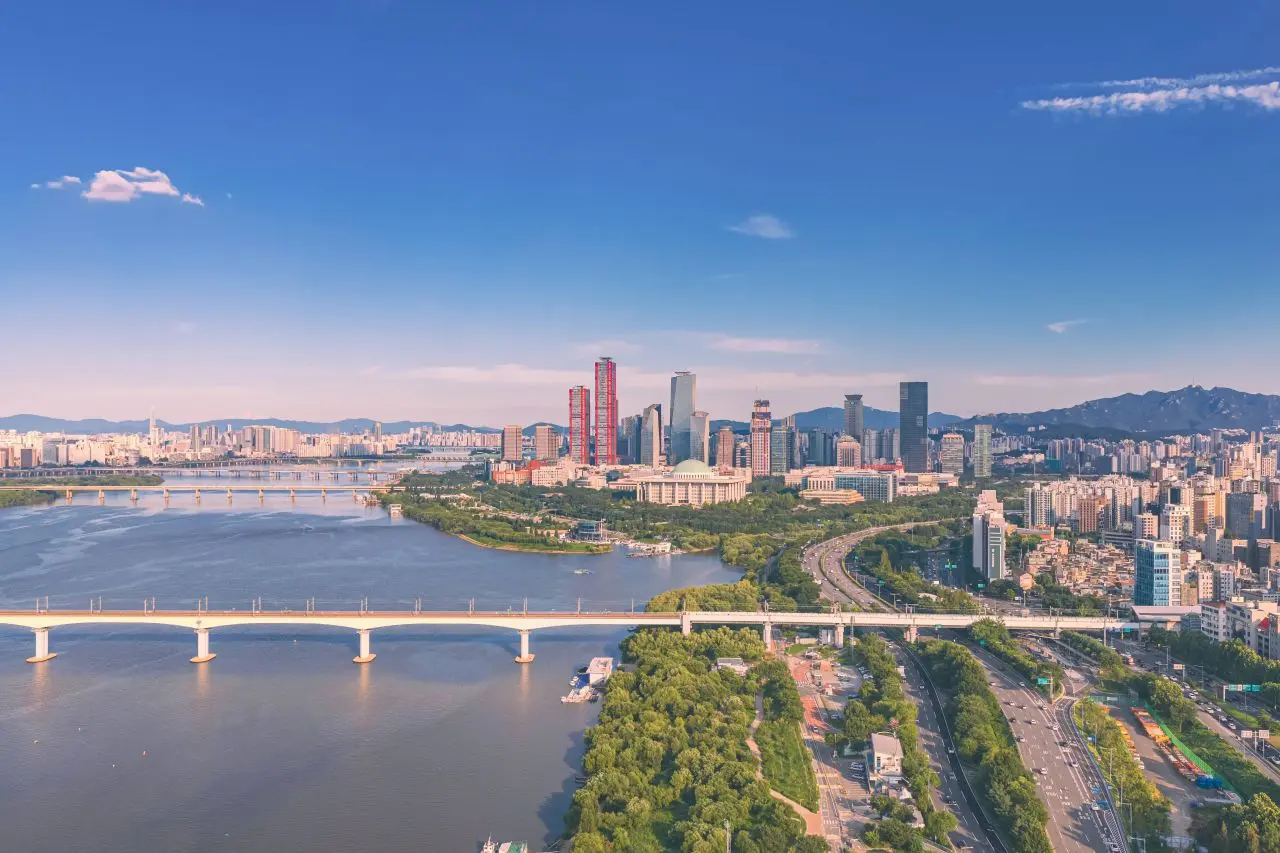 YeouidoSeoul's island of office towers: The Hyundai Seoul, the National Assembly, cherry blossoms and office lunches
-
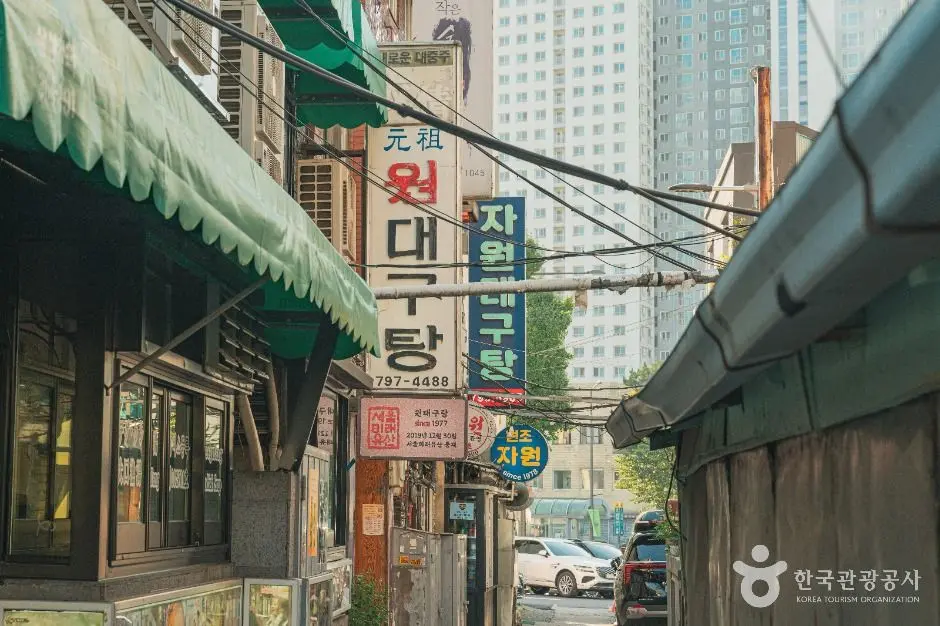 YongsanA busy dinner street, a Sol LeWitt show in the Amorepacific building, the War Memorial and a 1970s cod soup alley
-
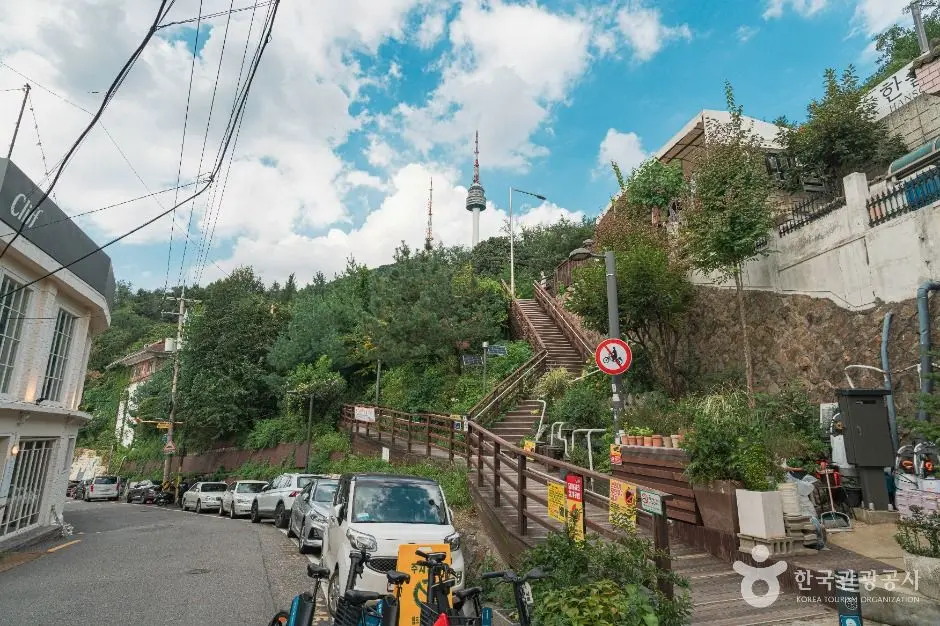 Haebangchon and Huam-dongA hillside village below Namsan: the 108 Stairs, an old market for evening dining and rooftop views of N Seoul Tower
-
 Mullae-dongWorking ironworks lanes with artists' studios and painted shutters, then grills, wine bars and corner-shop drinks
-
 Rainy Days in SeoulMalls you reach underground, aquariums, free museums, workshops, English escape rooms and photo booths
-
 Seongbuk-dongA quiet valley below the city wall with Gilsangsa Temple, the Kansong Art Museum and the houses of writers
-
 Seoul SoloBookshops, reading rooms, museums and barbecue for one that Seoul people go to on their own, and which dishes need two
-
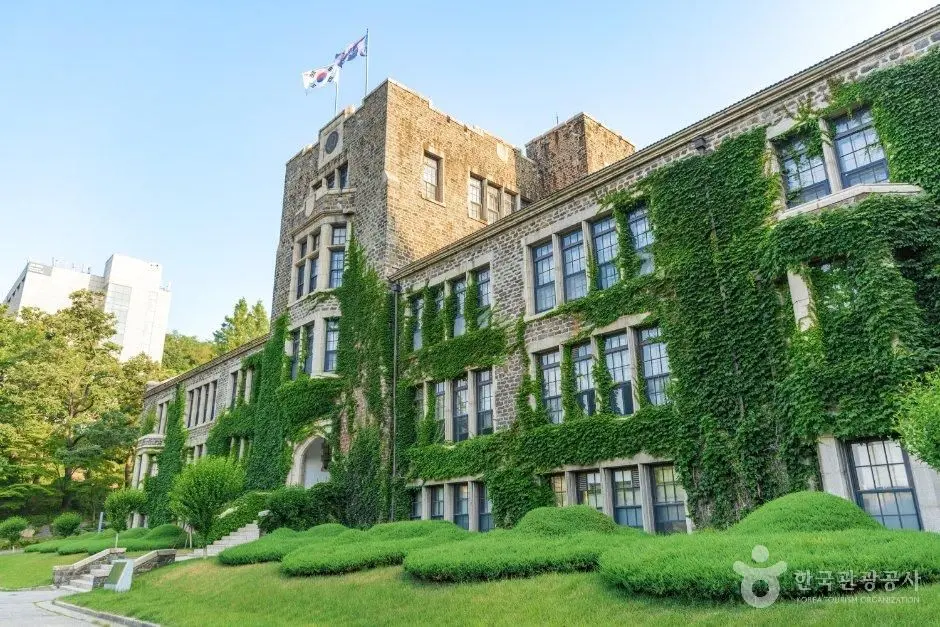 Sinchon and Ewha Womans UniversityTwo university campuses, the poet Yun Dong-ju's dormitory, a 1970s siphon coffee house and cheap student restaurants
-
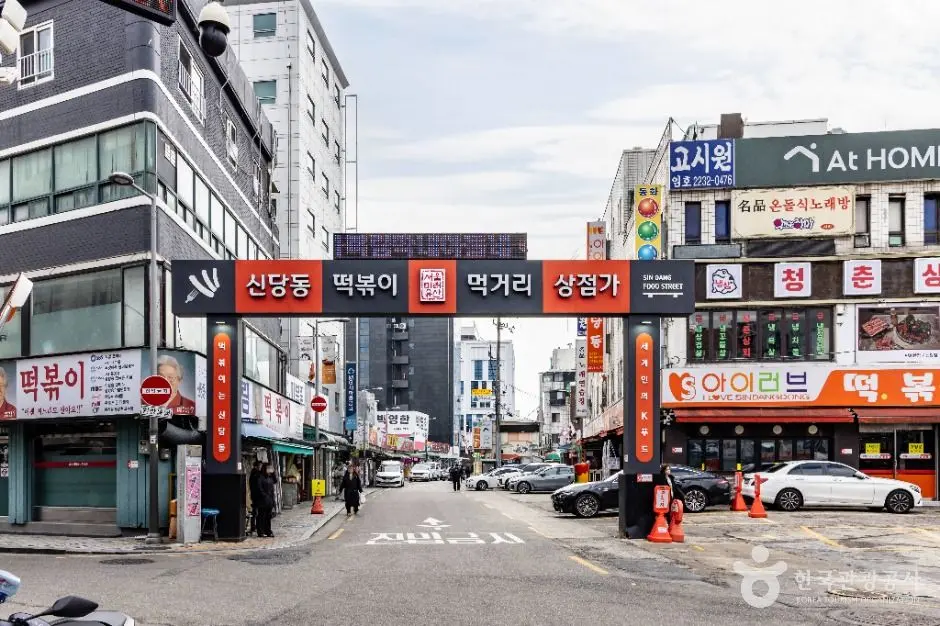 Sindang-dongSeoul's tteokbokki street, cooked in a pot at your table, and an old market that turned into an evening drinking quarter
-
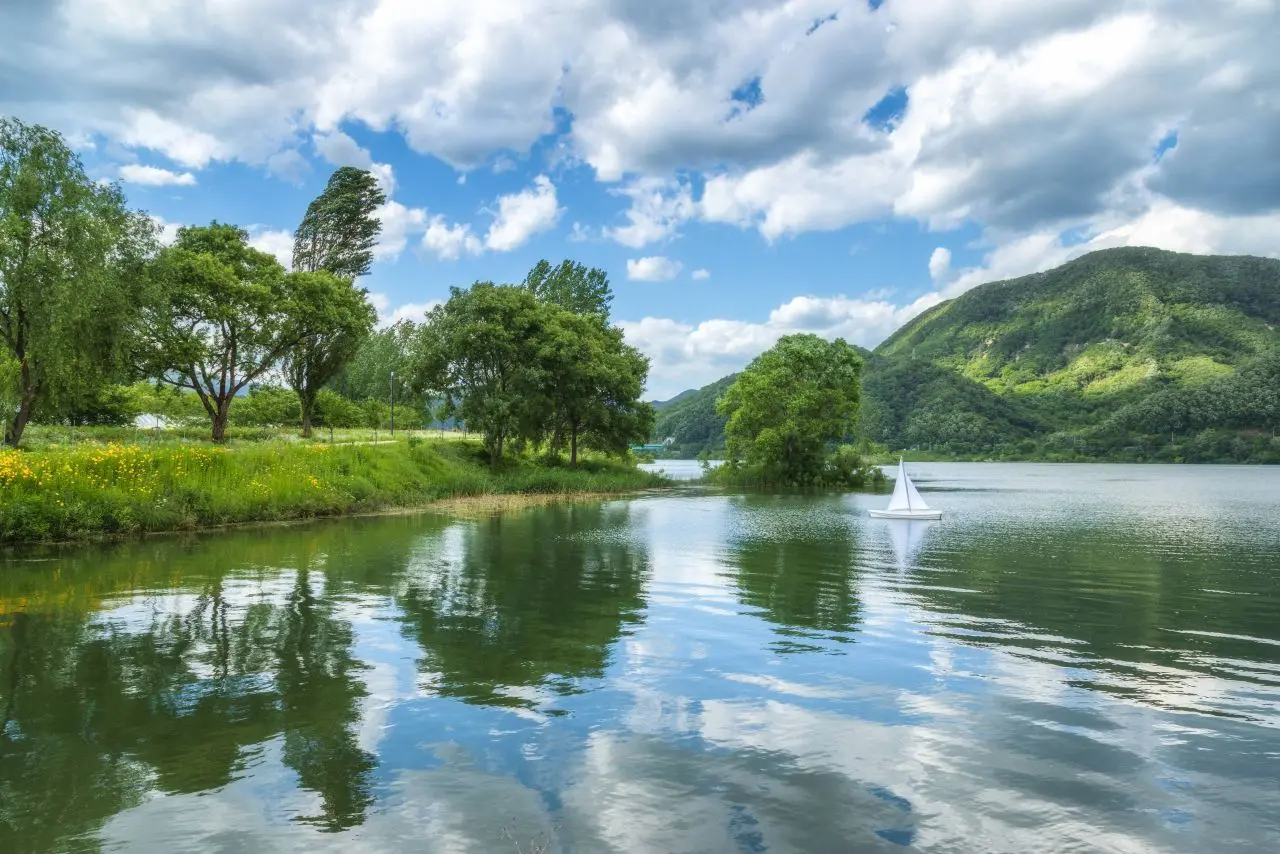 Day Trips from SeoulEighteen day trips compared: travel time, fare, the last way back, tours, seasons and kids
-
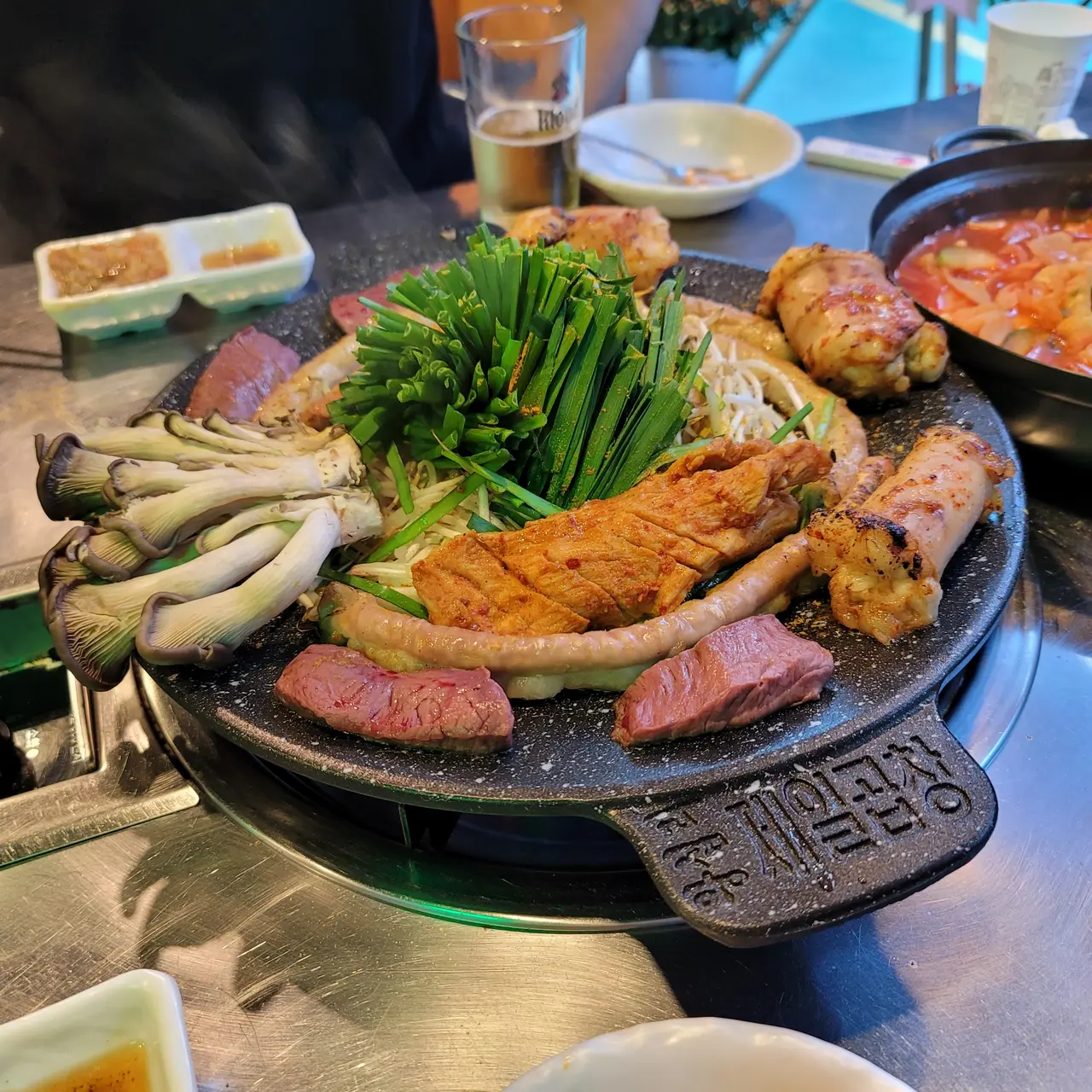 Gopchang in Seoul14 Seoul gopchang restaurants by area: beef or pork, which part is which, fried rice and late hours
-
 Gukbap and Haejangguk18 Seoul soup-and-rice shops by area: which soup is which, how Koreans eat it, where to go at 6:00 or after midnight
-
 Hanbok Rental in SeoulHow to rent hanbok by the palaces, what counts for free palace entry, prices by the hour, and three shops to try
-
 Hiking in SeoulFive mountains you can start from the subway: how to choose, park hours, winter gear, rentals and food after
-
 How to Get from Incheon Airport to SeoulAREX trains, airport buses and taxis to Myeongdong, Hongdae, Gangnam and Seoul Station, as of November 2026
-
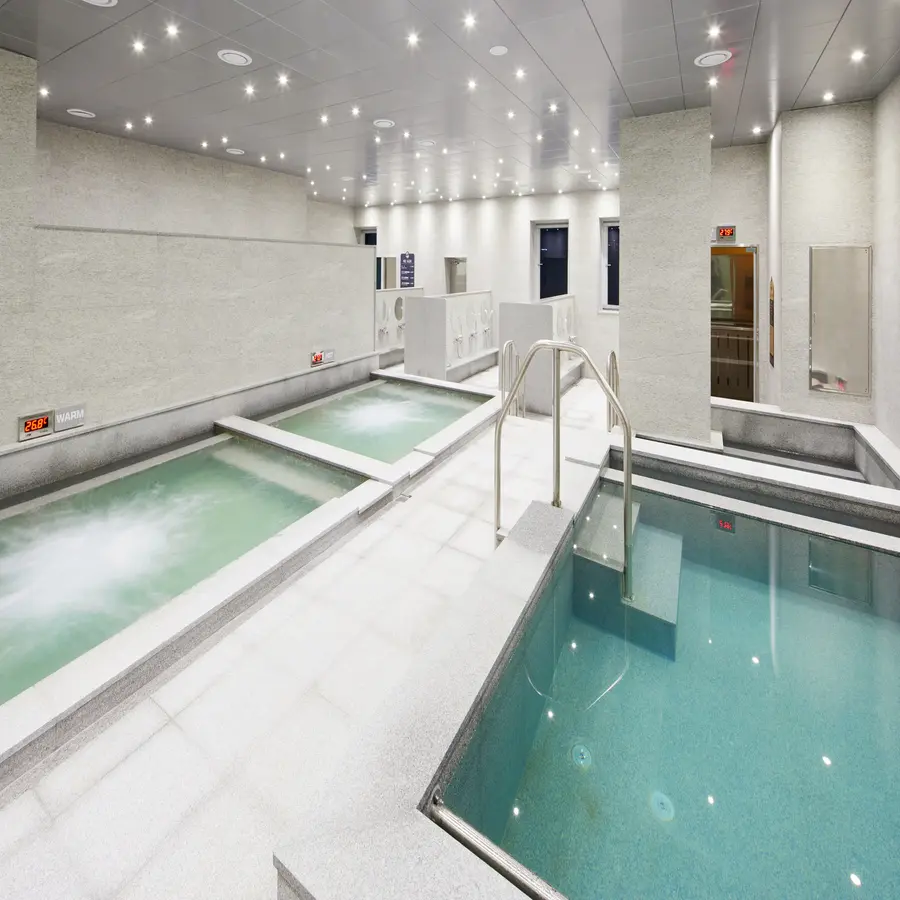 Jjimjilbang in SeoulHow a Korean bathhouse and sauna works, step by step, with prices, overnight rules and four places to try
-
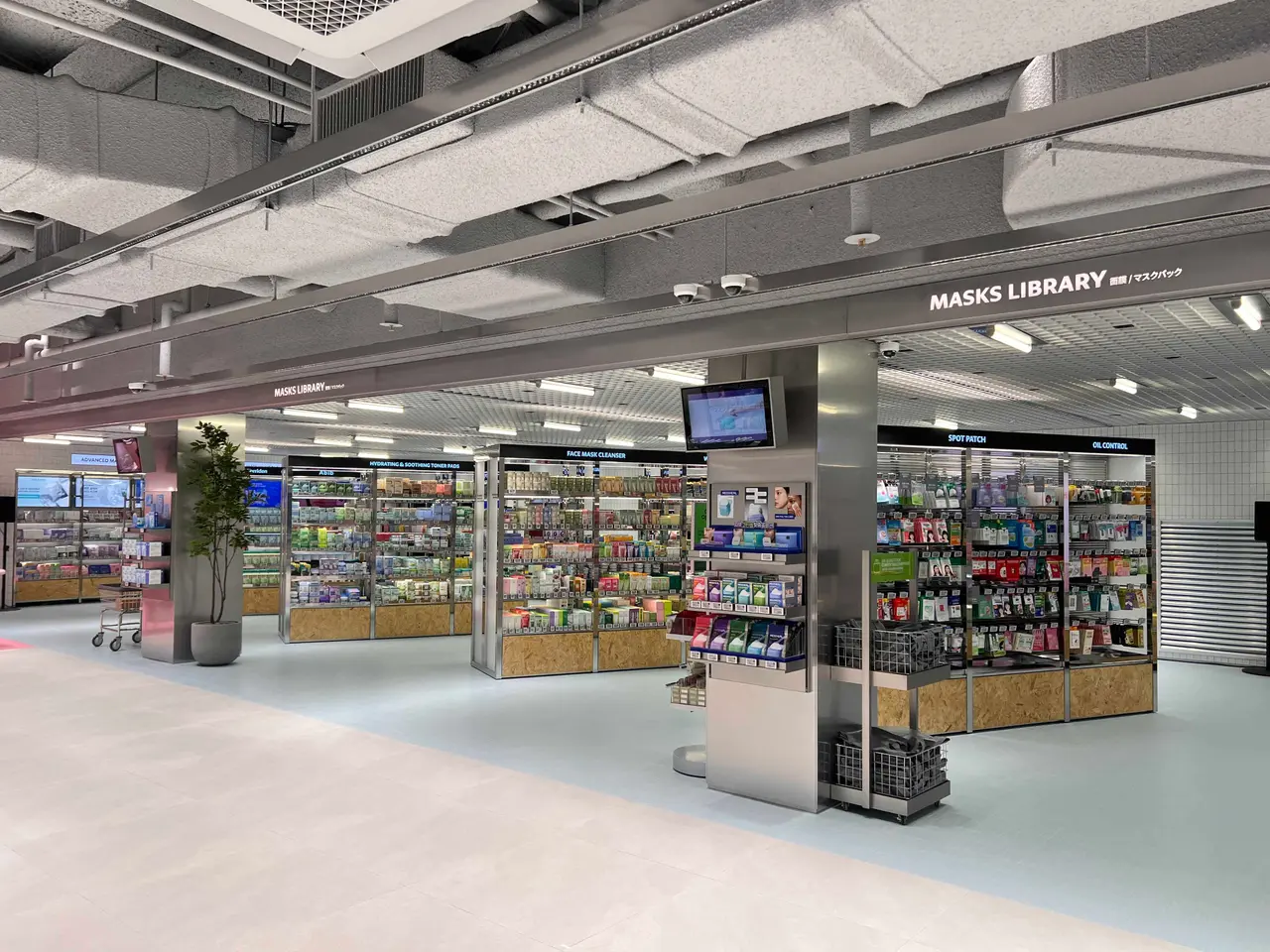 K-beauty Shopping in SeoulOlive Young and Daiso for Korean cosmetics: instant tax refunds, the biggest stores, skin tests and prices
-
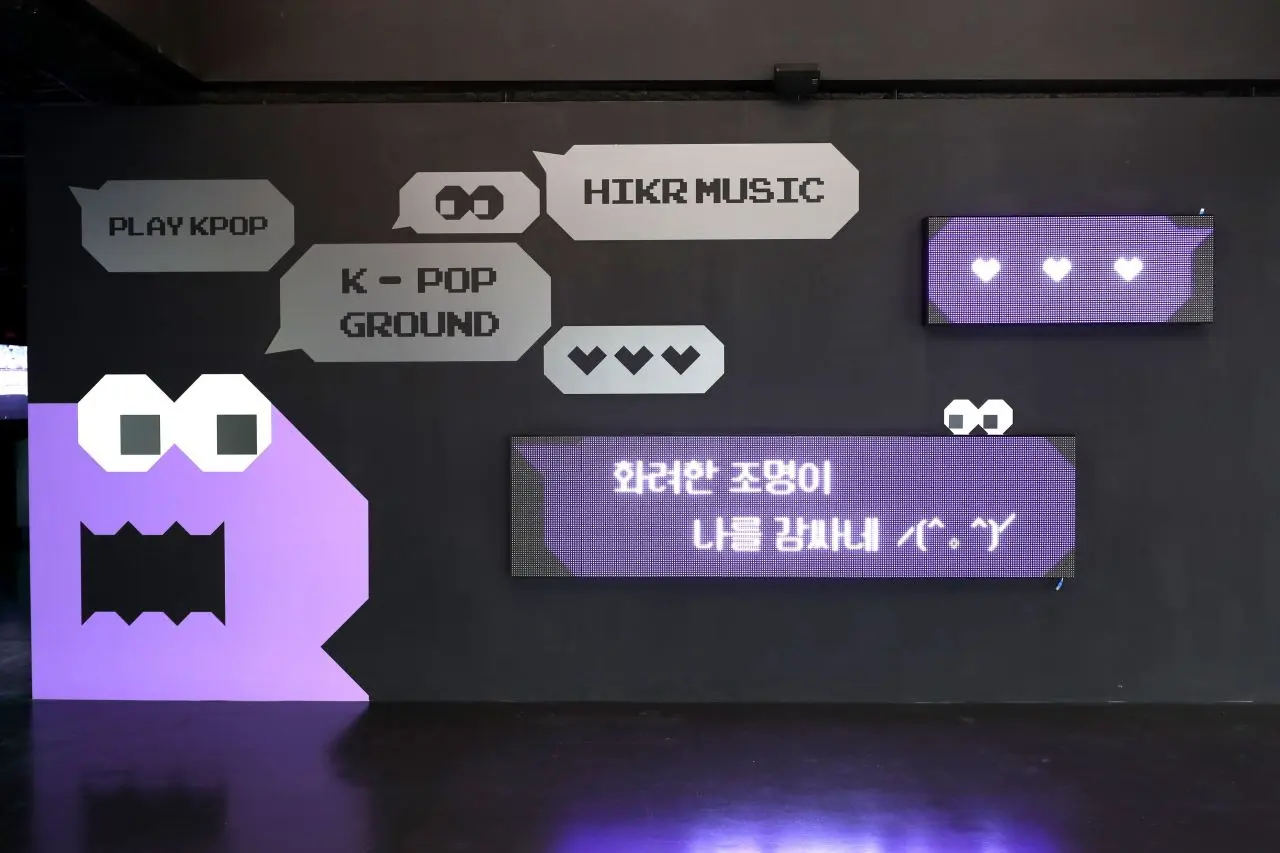 K-pop in SeoulAgency stores and pop-ups open now, what has closed, music show audiences and a free music video set
-
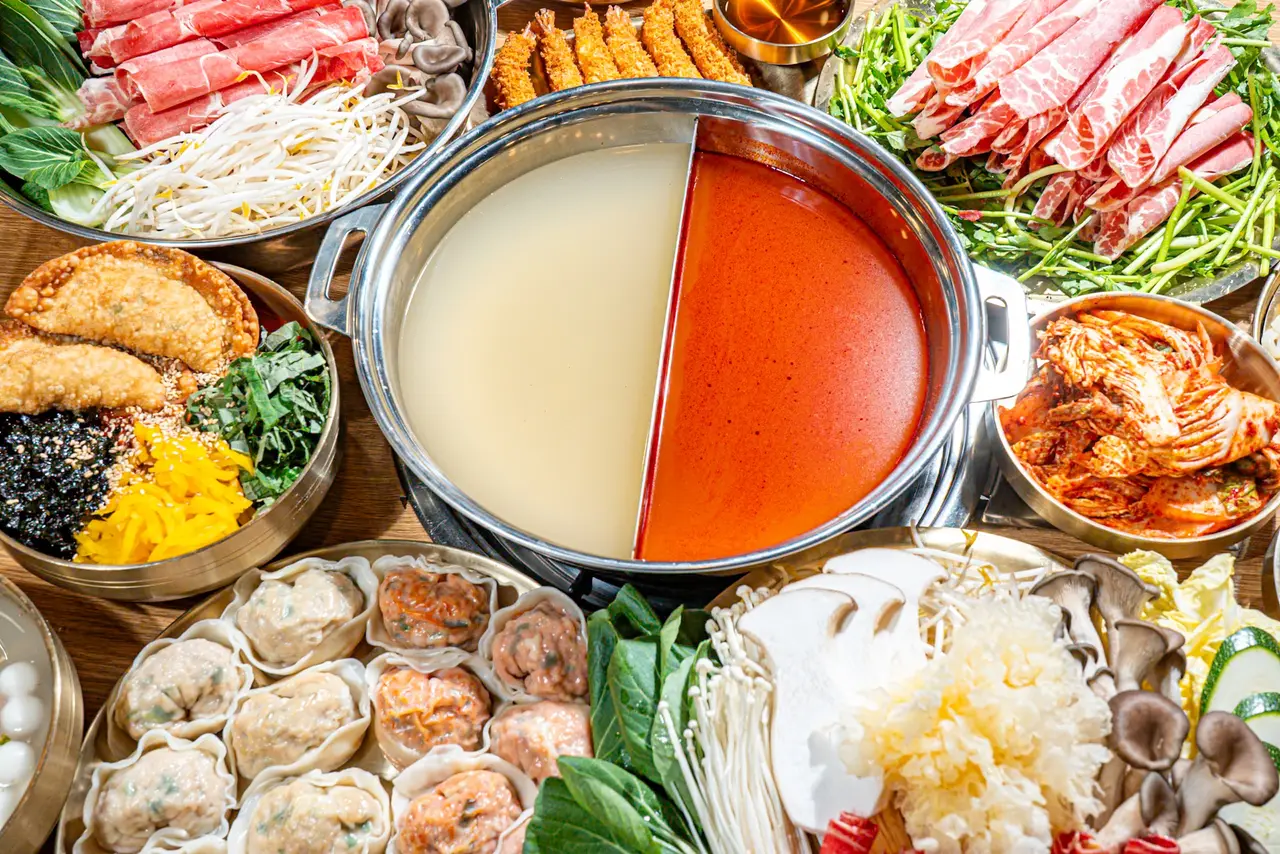 Kalguksu and Mandu in Seoul14 Seoul noodle and dumpling shops by area and 18 more on other pages: broths, dumpling styles, how to order
-
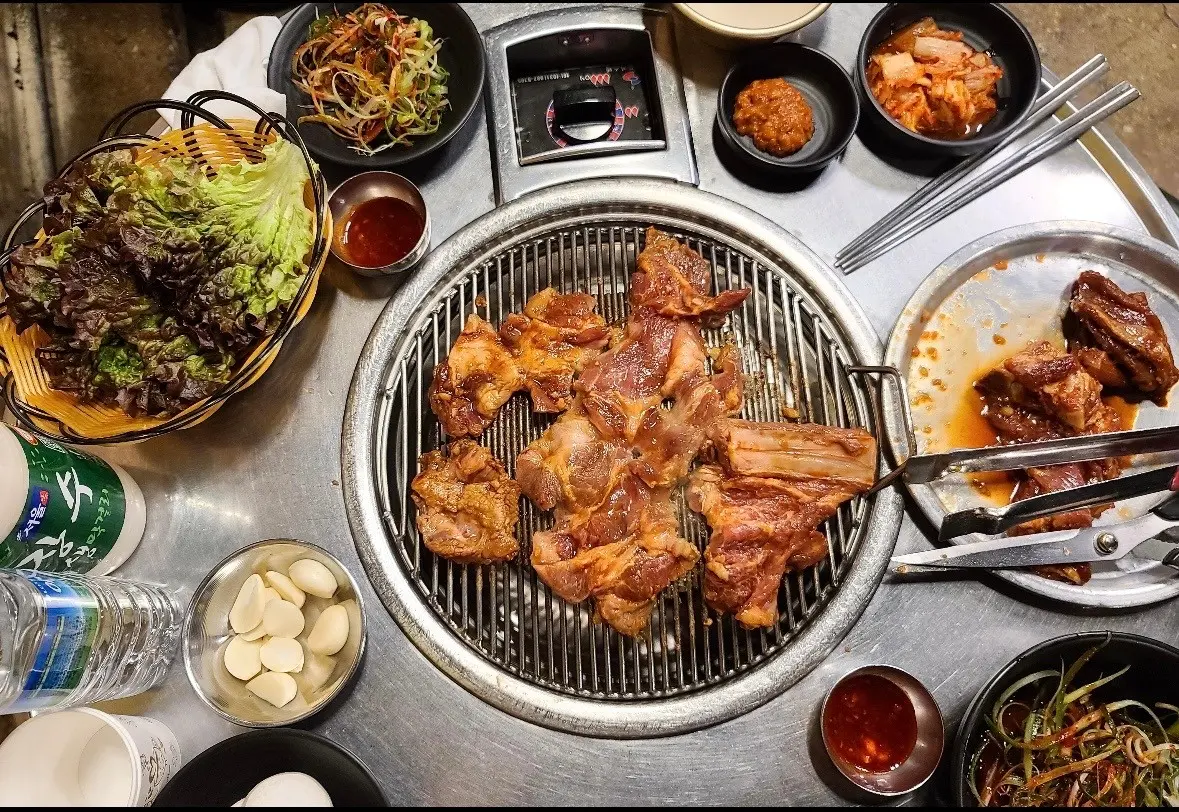 Korean BBQ in Seoul14 Seoul barbecue restaurants by area: which cut to order, how many servings, who grills, ssam and what comes after
-
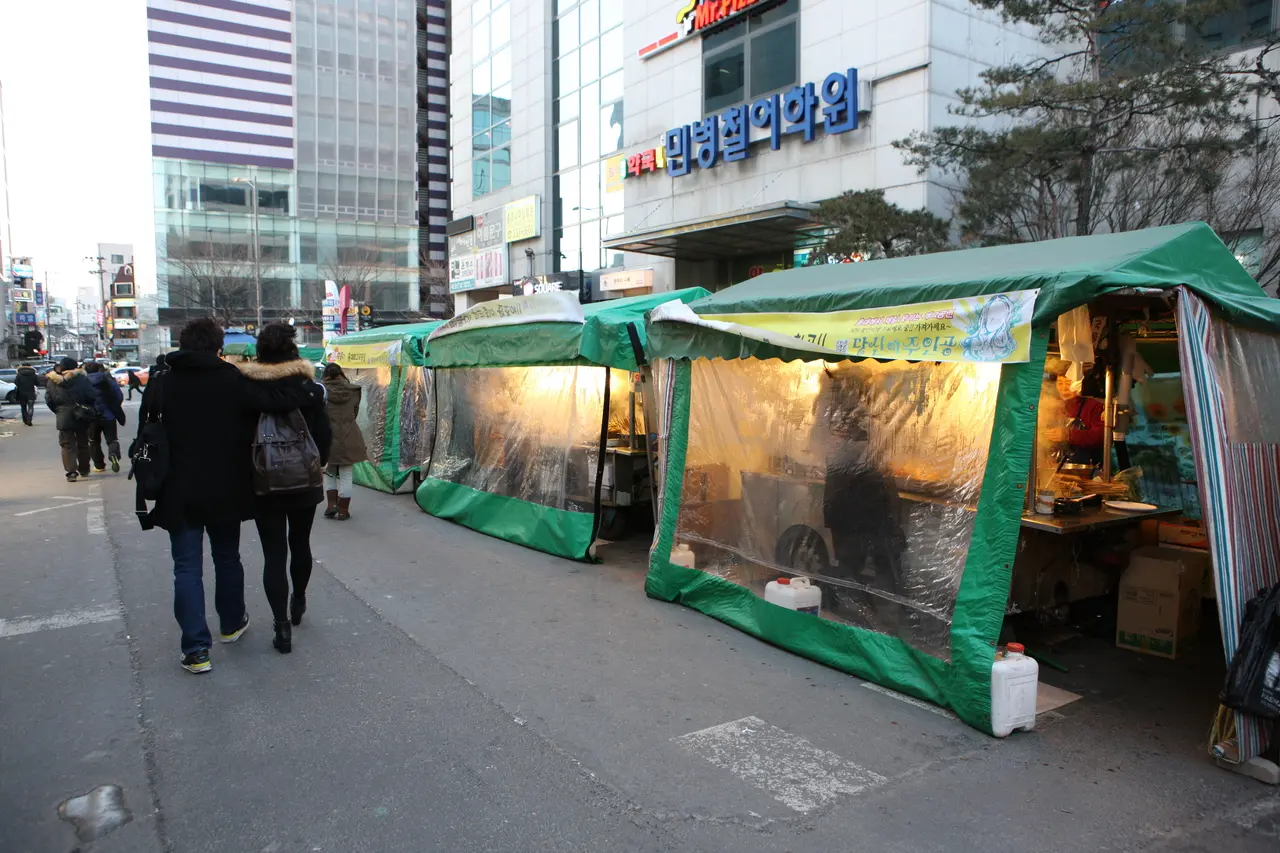 Pojangmacha in SeoulWhat a Korean tent bar is, how to order, what to eat with soju, what it costs, and where to find them in Seoul
-
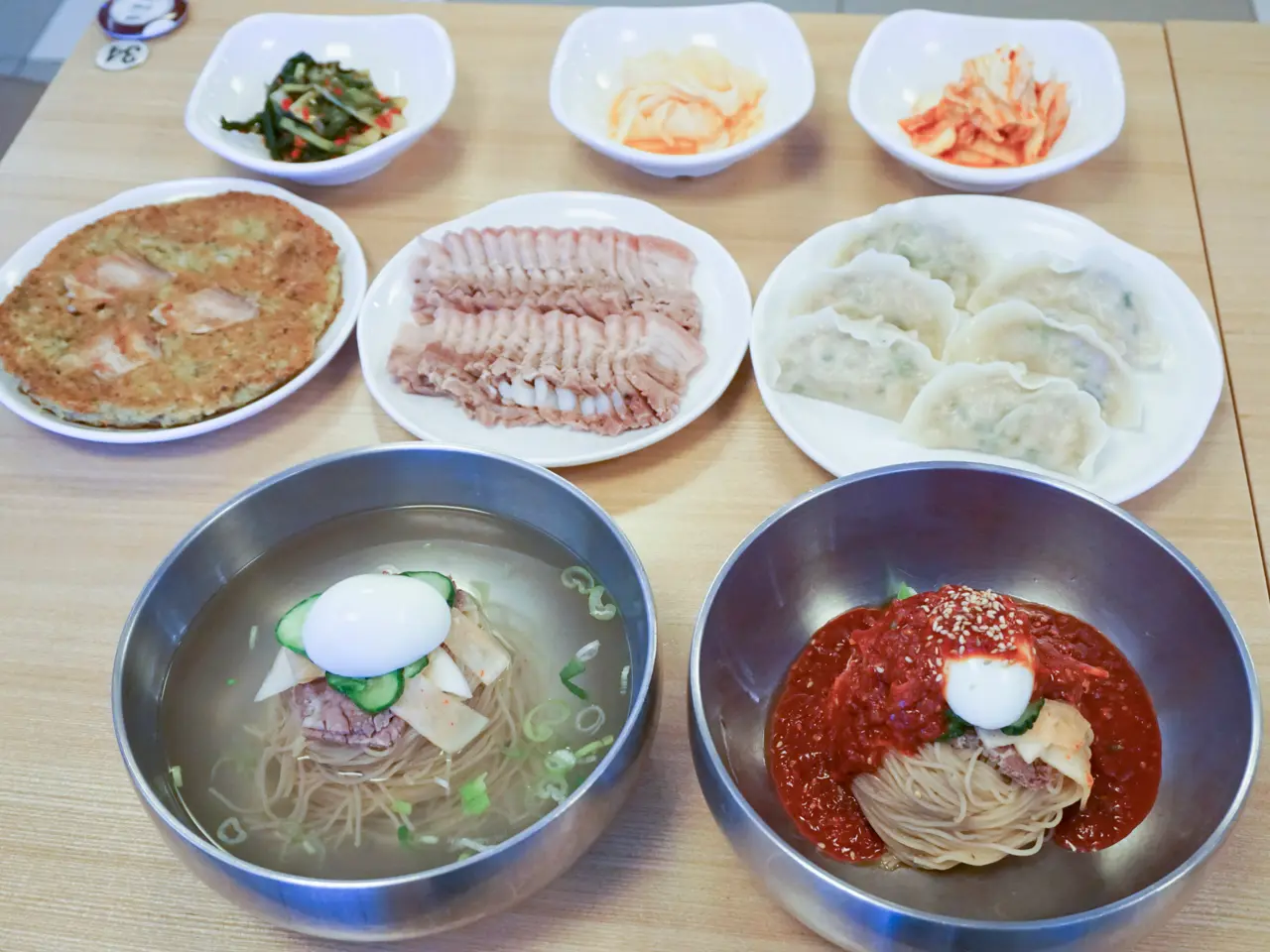 Pyongyang Naengmyeon in Seoul13 Seoul cold noodle houses: what Pyongyang naengmyeon is, how to eat it, the family lines and the sides to order
-
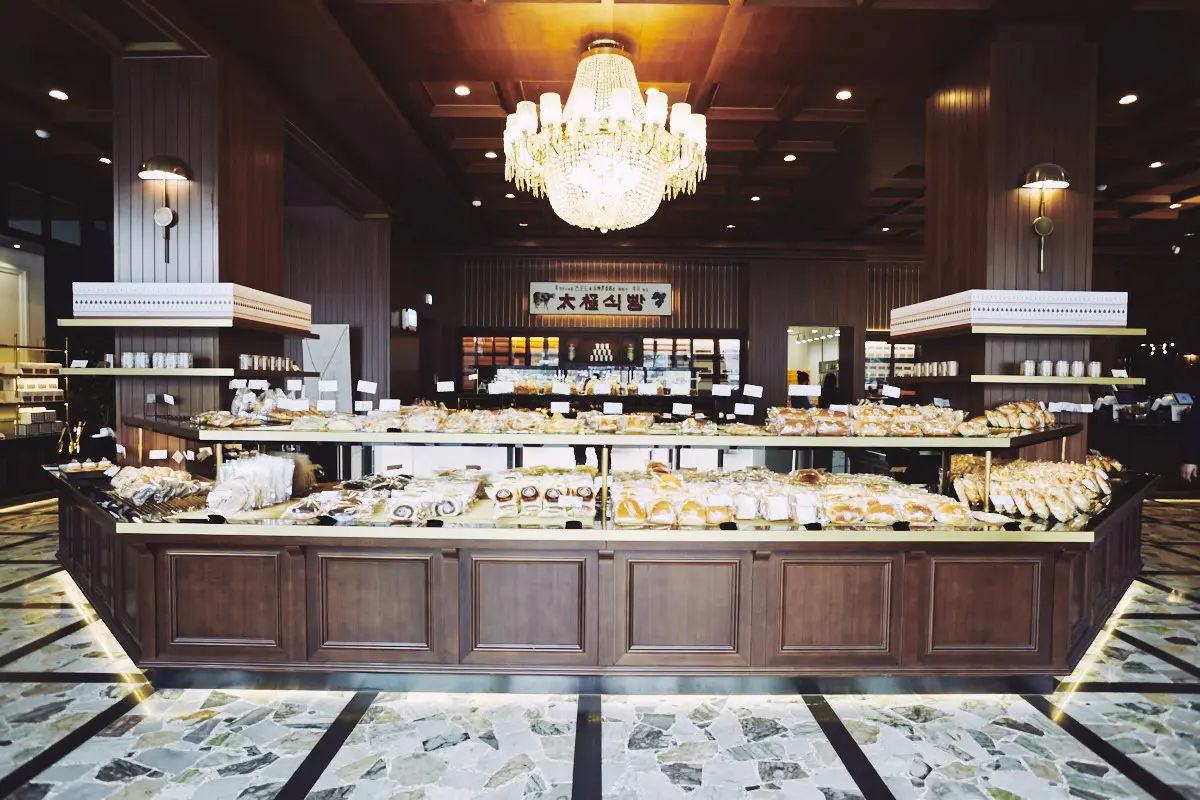 Seoul Bakery Tour16 Seoul bakeries Koreans cross the city for, from a 1946 monaka shop to two-hour salt bread runs, grouped by area
-
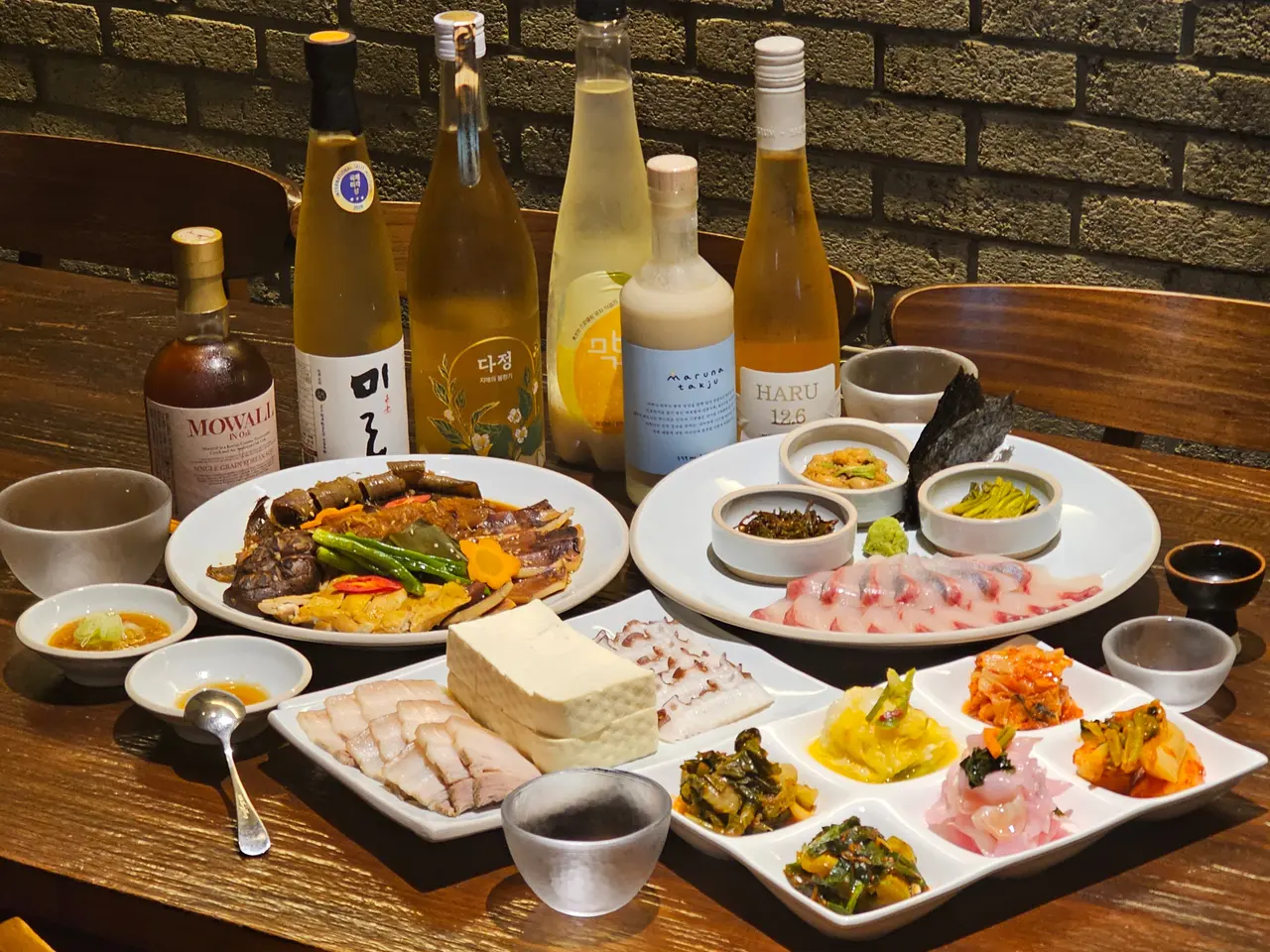 Seoul Bars and Rooftops11 Seoul bars and a liquor showroom: traditional liquor, 50 Best cocktail bars, jazz and LP, rooftops, street drinking
-
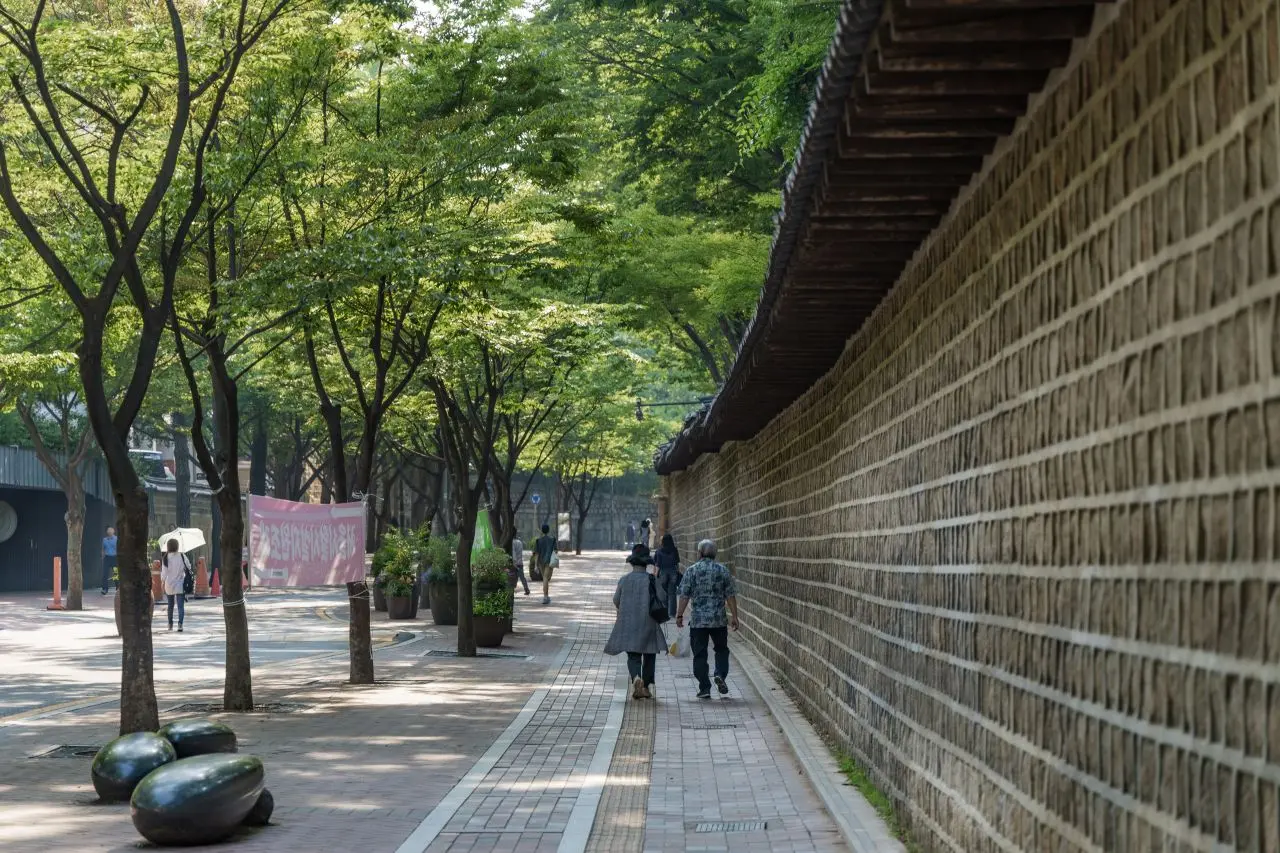 Seoul Date CoursesThree date courses in the order Seoul couples walk them, at Seokchon Lake, Deoksugung and Jongmyo, plus two with parents
-
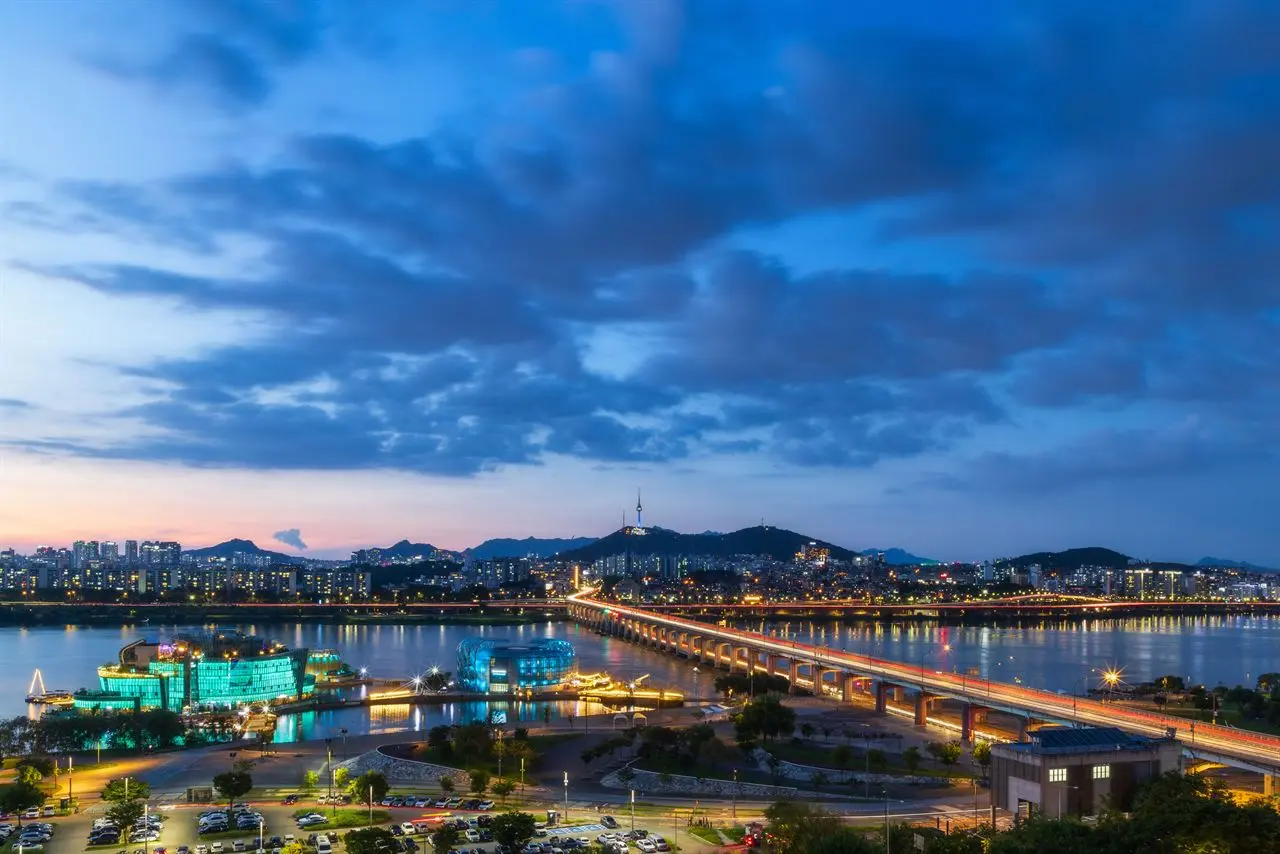 Seoul Day PlansSix themed days in Seoul by subway: hanbok and palaces, a Han River sunset, Seongsu, night views, markets and Inwangsan
-
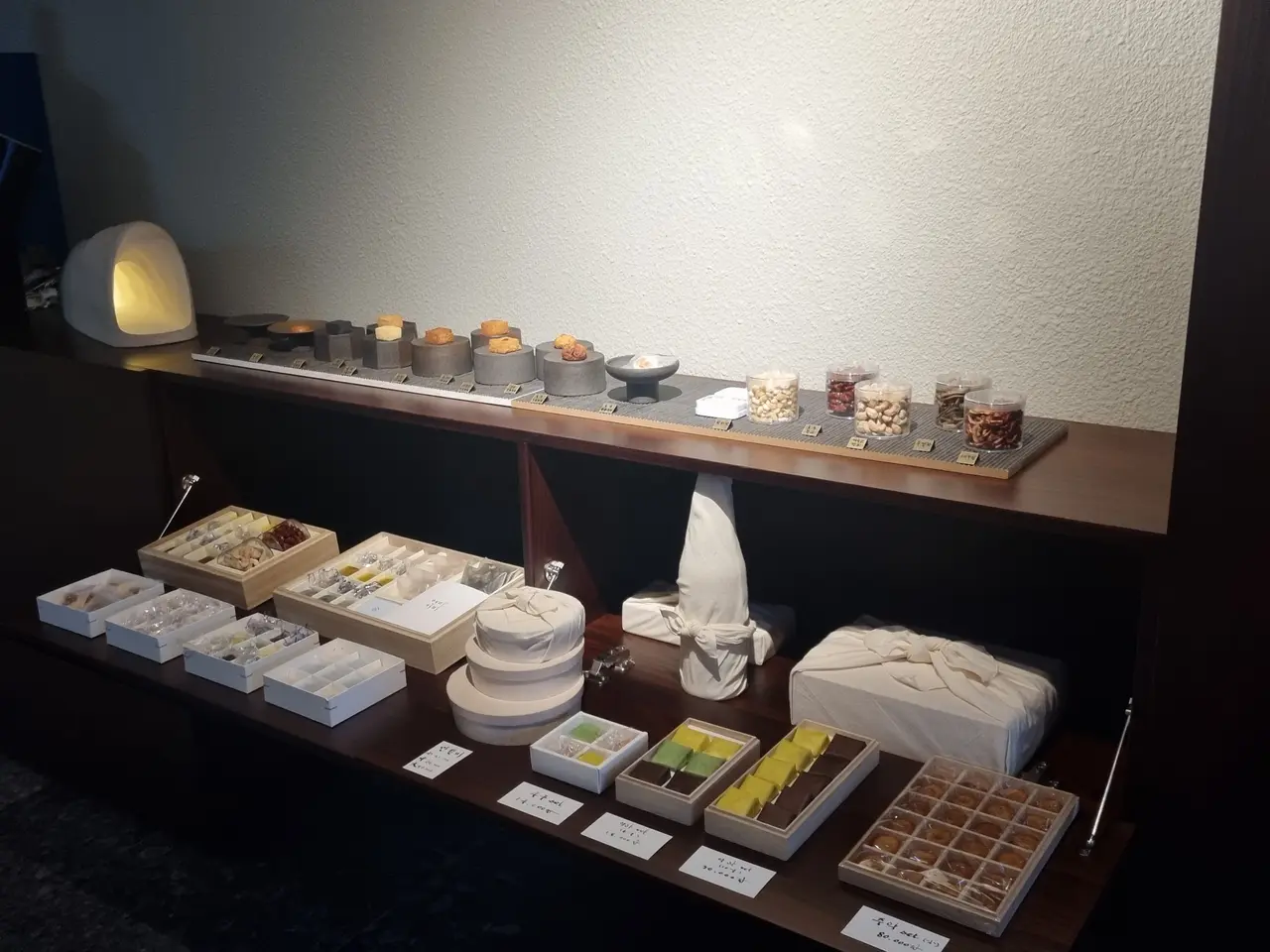 Seoul Desserts and Brunch16 dessert shops and brunch cafes Koreans line up for: bingsu, fruit rice cakes, royal-court sweets and early brunch
-
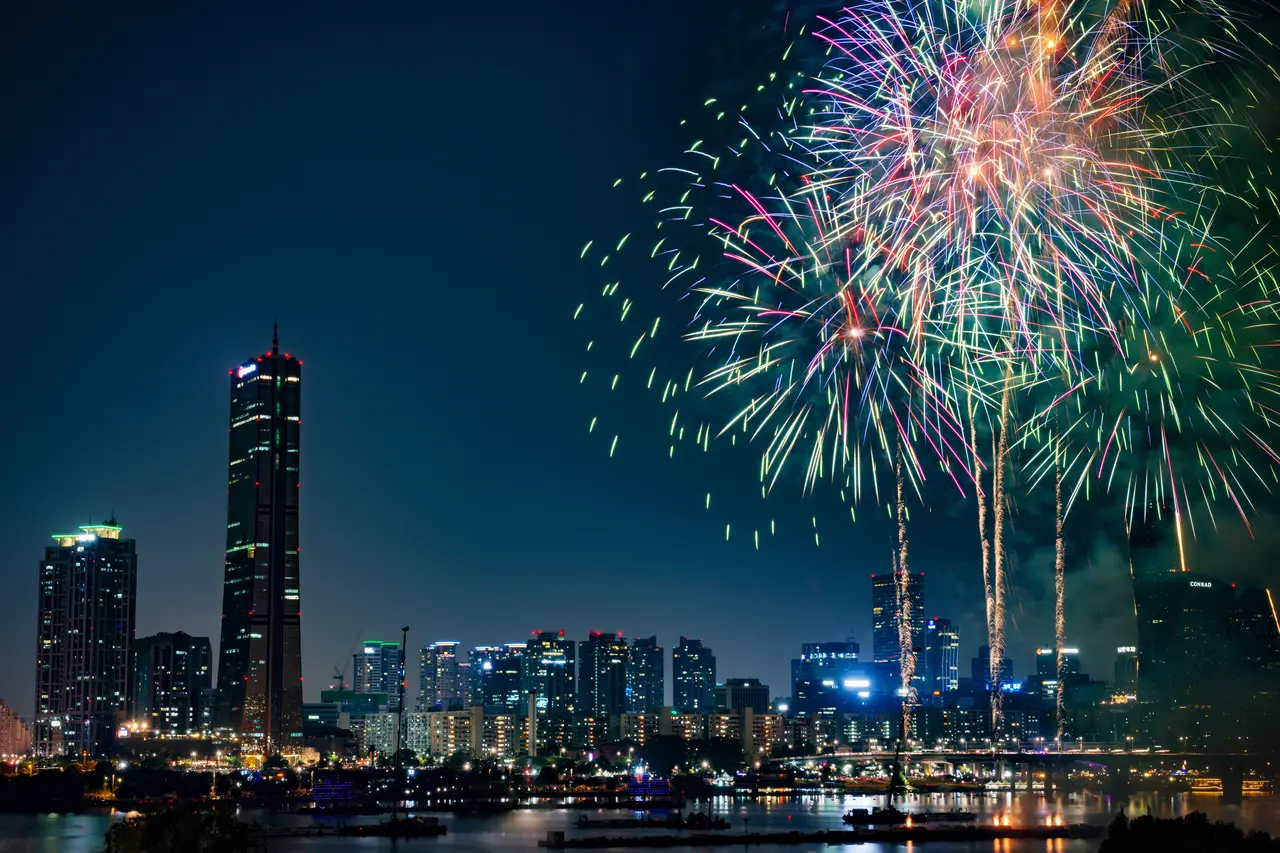 Seoul Festival CalendarThe festivals Seoul people go to every year, by month: lanterns, fireworks, palaces at night, jazz and silver grass
-
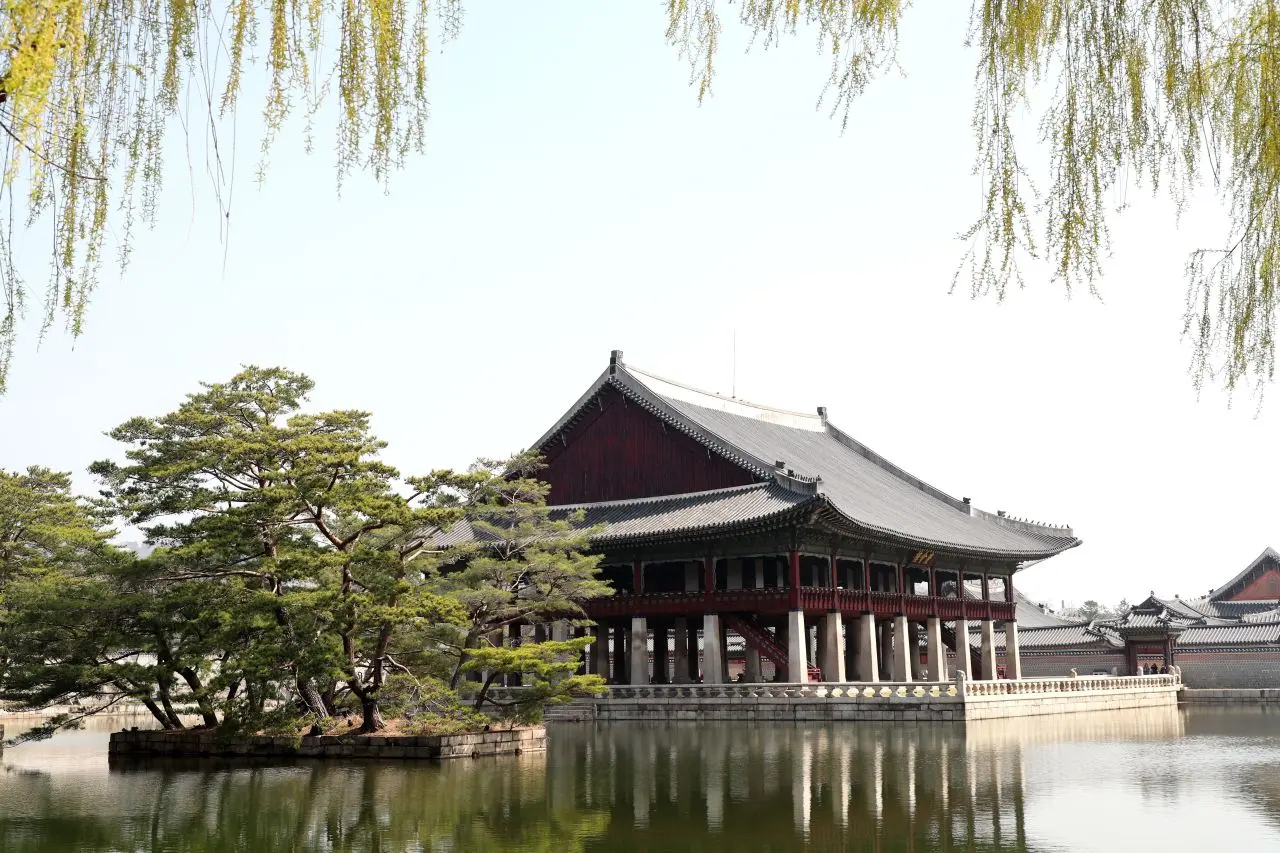 Seoul ItineraryPalaces and Namsan on day 1, DDP and Gwangjang Market on day 2, the museum, the river and Hongdae on day 3, by subway
-
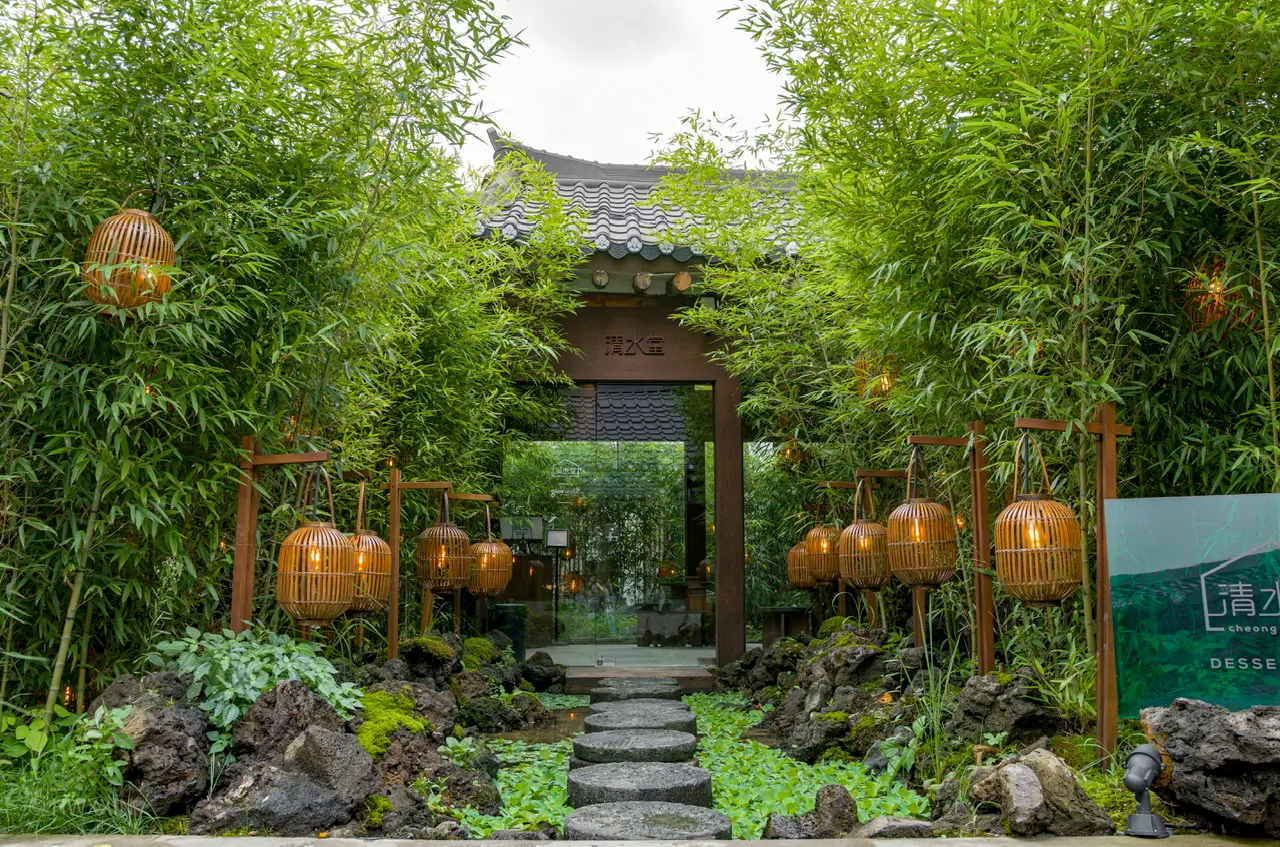 Seoul's Feel-Good Cafes81 Seoul cafes that Koreans go to for the space as much as the coffee, grouped by neighborhood
-
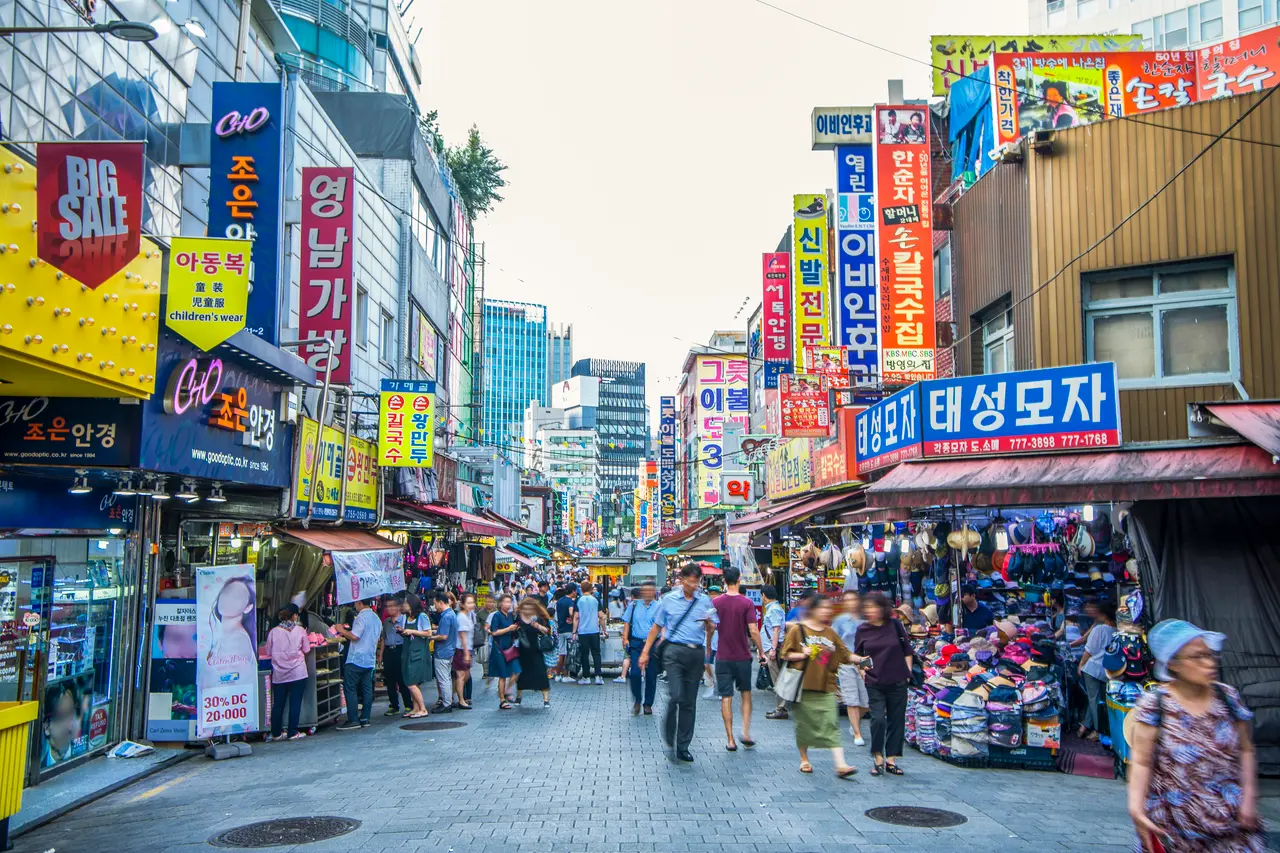 Shopping in SeoulWhich Seoul street to pick for cosmetics, vintage, designer brands, markets, malls and duty free, with hours and prices
-
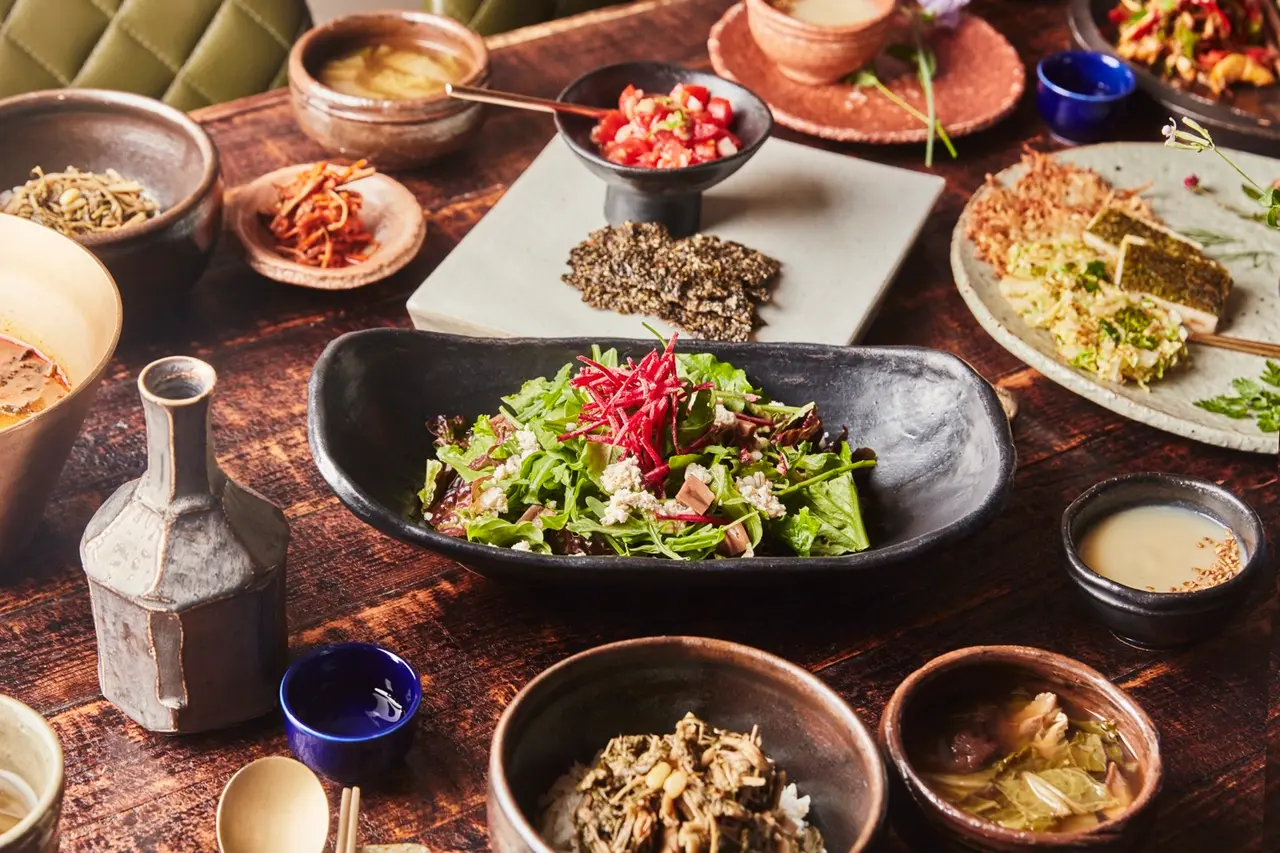 Vegetarian, Vegan and Halal Food in Seoul14 temple food, vegan and halal Korean restaurants, a cooking class, hidden fish and meat in Korean food, prayer rooms
-
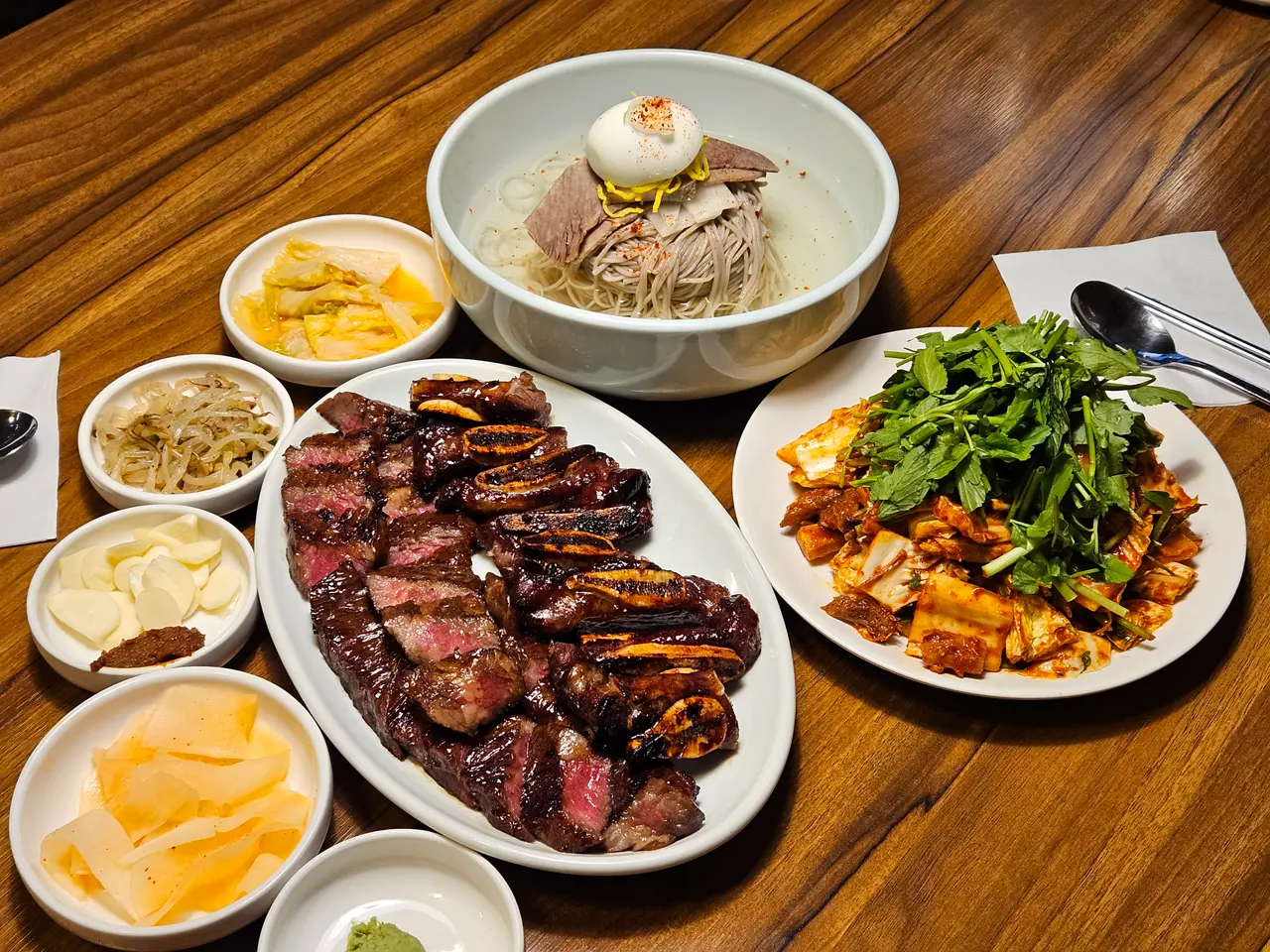 Where Seoul Locals Eat85 Korean restaurants that Seoul locals queue for, in 11 neighborhoods, with prices, rules and how to get a table
Sources
- Bukchon Special Management Area (red zone hours, fines), Jongno District Culture Platform(accessed 2026-11-10)
- Korea Tourism Organization TourAPI: Dongdaemun Shopping Complex (132200)(accessed 2026-11-10)
- Doota Mall location (official)(accessed 2026-11-10)
- Doota Mall opening hours (official)(accessed 2026-11-10)
- Visit Seoul: Seoul Central Mosque (Seoul Tourism Organization, updated 2026-09-17)(accessed 2026-11-10)
- Leeum Museum of Art: visit information (official)(accessed 2026-11-10)
- HAGO brand town in Hannam-dong and Mosaic Hannam, Financial News (2025-11-23)(accessed 2026-11-10)
- Starfield Library, Starfield COEX Mall (official)(accessed 2026-11-10)
- N Seoul Tower (official): hours(accessed 2026-11-10)
- Namsan Cable Car (official): usage guide(accessed 2026-11-10)
- Gwangjang Market (official): history (Korean)(accessed 2026-11-10)
- Gwangjang Market (official): directions (Korean)(accessed 2026-11-10)
- DDP (official): About Us(accessed 2026-11-10)
- Seoul Museum of History: Dongdaemun Stadium Memorial (Korean)(accessed 2026-11-10)
- Seoul Sky (official): site text, English(accessed 2026-11-10)
- Naver Map: Lotte World Tower(accessed 2026-11-10)
- Royal Palaces opening hours and closing days, Cultural Heritage Administration Royal Palaces and Tombs Center(accessed 2026-11-10)
- Royal Palaces admission fees and free admission (including hanbok), Royal Palaces and Tombs Center(accessed 2026-11-10)
- Korea Tourism Organization TourAPI: Gyeongbokgung (126508)(accessed 2026-11-10)
- Korea Tourism Organization TourAPI: Changdeokgung (127642)(accessed 2026-11-10)
- Korea Tourism Organization TourAPI: N Seoul Tower (126535)(accessed 2026-11-10)
- Korea Tourism Organization TourAPI: Gwangjang Market (132183)(accessed 2026-11-10)
- Korea Tourism Organization TourAPI: DDP (2470006)(accessed 2026-11-10)
- Korea Tourism Organization TourAPI: Lotte World Tower (2003909)(accessed 2026-11-10)
- Korea Tourism Organization TourAPI: Seoul Sky (2492348)(accessed 2026-11-10)
- Korea Tourism Organization TourAPI: Euljiro Nogari Alley (2994062)(accessed 2026-11-10)
- Korea Tourism Organization TourAPI: Dongdaemun History & Culture Park (1906334)(accessed 2026-11-10)
- Korea Tourism Organization TourAPI: Itaewon (126999)(accessed 2026-11-10)
- Korea Tourism Organization TourAPI: Gangnam (264570)(accessed 2026-11-10)
- Korea Tourism Organization TourAPI: Gangnam MICE Special Tourist Zone (2456536)(accessed 2026-11-10)
- Korea Tourism Organization TourAPI: Bukchon Hanok Village (126537)(accessed 2026-11-10)
- Naver Place listings (location and nearest station exit) for each sight(accessed 2026-11-10)
- Seoul Open Data Plaza: subway station names by line (official English names)(accessed 2026-11-10)
- Seoul tourism and spending trends, January to September 2026, iNews24 (2026-11-03)(accessed 2026-11-10)
- Korea Tourism Organization 2026 inbound market analysis: share of visitors to each region in 2025, Newstravel (2026-11-07)(accessed 2026-11-10)
- Foreign visitor card spending by region, January to September 2026, Financial News (2026-11-03)(accessed 2026-11-10)
- LG Uplus Data Plus: foreign visitor trends by neighborhood, first half of 2025(accessed 2026-11-10)
- Average length of stay of foreign visitors, International Visitor Survey, MTN (2026-11-01)(accessed 2026-11-10)
- Seoul Tourism Survey: length of stay by nationality, New Daily (2026-09-29)(accessed 2026-11-10)
- Analysis of the 2024 International Visitor Survey (activities and reasons for choosing Korea), KB Think (2025-07-14)(accessed 2026-11-10)
- International Visitor Survey, fourth quarter of 2025, Newsis (2026-02-28)(accessed 2026-11-10)
- 2025 Overseas Korean Food Consumer Survey, The Korea Herald (2025-11-24)(accessed 2026-11-10)
- Foreign card payments by menu type, Korea Tourism Organization data, Herald Korea (2025-10-19)(accessed 2026-11-10)
- Gwangjang Market food, Seoul Metropolitan Government media hub(accessed 2026-11-10)
- Korea Meteorological Administration: Seoul cherry blossoms first bloom, 2025 (with 2024 date and normal date)(accessed 2026-11-10)
- Seoul cherry blossoms officially bloom on March 29, 2026, Dailian(accessed 2026-11-10)
- Korea Forest Service 2026 autumn foliage peak forecast, SBS Biz (2026-09-22)(accessed 2026-11-10)
- Korea Meteorological Administration: definitions of first color and peak foliage (press release, 2026-09-28)(accessed 2026-11-10)
- First autumn color on Bukhansan in 2023, Aju Business Daily (2023-10-17)(accessed 2026-11-10)
- World Youth Day Seoul 2027 dates and expected attendance, Herald Korea (2026-07-29)(accessed 2026-11-10)
- World Youth Day Seoul 2027 registrations, Sidae (2026-11-05)(accessed 2026-11-10)