Jeonju
Korea's largest hanok village, bibimbap and bean sprout soup, and a market night on Fridays and Saturdays
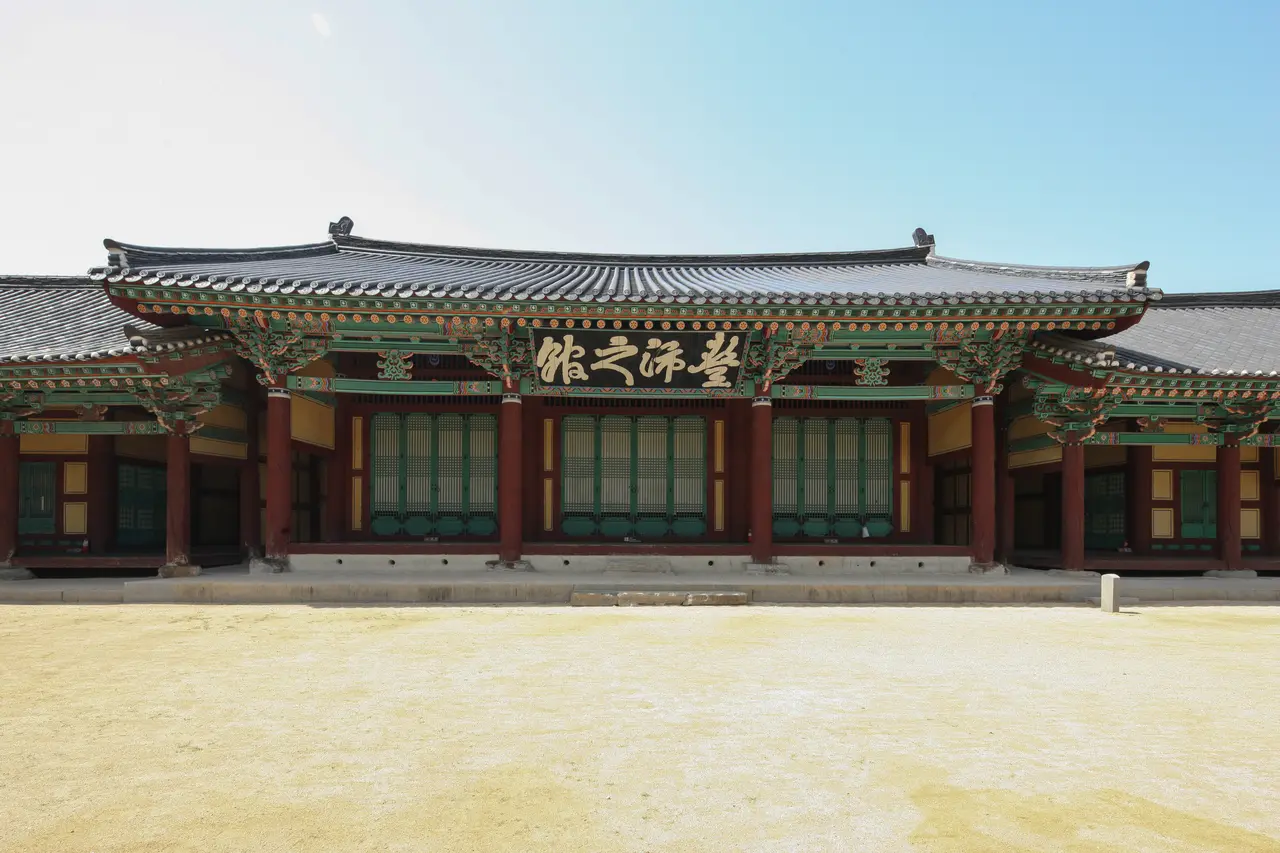
Jeonju is about 1 hour 45 minutes from Seoul by KTX, with a hanok village and food that are reasons to stay a night. This page helps you decide how long to stay, where to sleep, what to eat and when to come, then sends you to our pages for the details.
Intro
Jeonju was the royal capital of Later Baekje, the ancestral home of the family of King Taejo, who founded the Joseon dynasty, and the seat of the Joseon-era provincial government of Jeolla. In 2012 it became Korea’s first UNESCO City of Gastronomy, according to the city.
Three reasons to go:
- The Hanok Village. About 700 hanok, traditional Korean houses, in the city center, which the city describes as the largest hanok village in Korea. You can walk it in hanbok and sleep in one of about 160 hanok stays.
- Food. Jeonju bibimbap, kongnamul gukbap (bean sprout soup with rice) in the morning, and pisundae (blood sausage) at Nambu Market.
- An easy trip from Seoul. About 1 hour 45 minutes by KTX from Yongsan, or 2 hours 40 minutes by express bus, with buses every 10 to 15 minutes in the daytime.
Areas
Hanok Village
- Jeonju Hanok Village: Gyeonggijeon Shrine with King Taejo’s portrait (3,000 won), the red-brick Jeondong Cathedral, the Omokdae viewpoint, hanbok rental, hanok stays, and bibimbap and kalguksu restaurants with prices.
Nambu Market and Pungnammun
- Nambu Market: A few minutes’ walk west of the Hanok Village. Bean sprout soup from 5:30 in the morning, blood sausage soup, a youth mall upstairs and a night market on Fridays and Saturdays from 17:00 to 23:00.
Old town (Gaeksa and Jeolla Gamyeong)
West of the Hanok Village, around Gaeksa and the Jeolla provincial office site (Jeolla Gamyeong). The city’s bibimbap map notes many bibimbap restaurants in the old town, near City Hall and around the three traditional markets; Gajok Hoegwan (opened 1979) and Seongmi-dang (1965) are here, about 10-odd minutes on foot from the Hanok Village (see the Hanok Village page). The cafe streets around Gaeksa are known as Gaekridan-gil.
Further out
- Deokjin Park: a lake park in the north of the city, open at all times. On Friday and Saturday nights from May 22 to November 14, 2026, it hosted a street pub event and a flea market, both free; 2027 dates have not been announced.
- National Intangible Heritage Center: south of the Jeonjucheon stream at 95 Seohak-ro, 9:30 to 17:30, closed on Mondays and January 1, free.
How many days
We suggest one night. A plan using the times on our pages:
- Day one: arrive by KTX or bus and go to the Hanok Village. Rent hanbok, see Gyeonggijeon, Jeondong Cathedral and Omokdae, and have bibimbap for lunch. In the afternoon walk to Jaman Mural Village and Jeonju Hyanggyo. On a Friday or Saturday, go to the Nambu Market night market and the Youth Mall in the evening. Sleep in a hanok.
- Day two: bean sprout soup for breakfast at Nambu Market, then Pungnammun and the old town, and buy choco pies to take home before your train or bus.
For a 2-day plan with times, see Jeonju in 2 Days: A 1-Night Itinerary.
The city tourism site also publishes a one-night course for foreign visitors and a 120-minute route from the Hanok Village to Jeonju Station.
A day trip from Seoul is possible: the first KTX leaves Yongsan at 5:08, and the last train back leaves Jeonju at 23:11 (arriving at Yongsan at 0:46), with express buses back to Seoul until 24:00. The Hanok Village and Nambu Market fit into one day, but the night market (Fridays and Saturdays) and a night in a hanok need a stay.
Times, fares and buses are in How to Get from Seoul to Jeonju.
Where to stay
- A hanok in the Hanok Village: the stay that is particular to Jeonju. The village has about 160 hanok stays according to the official site, and the city links to a vacancy search for them (jeonjuhanokroom.kr). The Hanok Village is walkable, and Nambu Market is a few minutes away.
- Near Jeonju Station: convenient for an early train the next morning; the Hanok Village is about 14 minutes away by car, according to a recent visitor.
- Old town (Gaeksa and Gosa-dong): within walking distance of the Hanok Village and Nambu Market. The Gosa-dong Traveler’s Lounge stores bags free (collect them before 18:00).
What to eat
- Jeonju bibimbap: rice cooked in beef bone broth, topped with bean sprouts, hwangpo-muk (yellow mung bean jelly) and glutinous rice chili paste, according to the city. Hanguk-jip in the Hanok Village serves yukhoe bibimbap (with raw beef) for 17,000 won; Gajok Hoegwan and Seongmi-dang are a short walk west.
- Kongnamul gukbap: bean sprout soup with rice, poached egg and moju, from 9,000 won at Unam Kongnamul Gukbap in Nambu Market.
- Pisundae: blood sausage soup with rice from 10,000 won at Jojeomnye Nammun Pisundae.
- To take home: handmade choco pies from PNB Pungnyeon Bakery, 23,000 won for 10.
Restaurant names, menus and hours are in Jeonju Hanok Village and Nambu Market.
When to go
Spring: the city tourism site lists nine cherry blossom spots recommended by locals, including along the Jeonjucheon and Samcheoncheon streams and at Jeonju University, and plum blossoms at Gyeonggijeon. Check the city tourism site for blossom dates.
Autumn: recent visitors’ posts show yellow ginkgo at Gyeonggijeon and Jeonju Hyanggyo. The Jeonju Hanji Culture Festival, about traditional Korean paper, was held on October 8 to 10, 2026, free; its dates change each year.
Friday and Saturday nights: the Nambu Market night market runs every Friday and Saturday. In 2026 the city also ran seasonal night events, mostly on Fridays and Saturdays from late May or June to November, such as a night program at Gyeonggijeon (10,000 won); check the city tourism site for the coming year’s dates.
Weather: for average temperatures, rain and what to wear each month, see Korea Weather by Month and When to Go.
Getting there and around
- From Seoul: KTX from Yongsan, or express buses from Seoul Express Bus Terminal. See How to Get from Seoul to Jeonju.
- From Incheon Airport: a direct bus runs to Jeonju; details are on the getting-there page.
- Booking trains: How to Take the KTX in Korea.
- Paying for buses and taxis: tap a transit card on Jeonju’s city buses, getting on and off. See Paying with Foreign Cards in Korea.
- Maps: Map apps in Korea.
If you are also visiting the capital, see Seoul.
Questions travelers ask
Is Jeonju worth visiting?
Jeonju suits travelers who want a traditional townscape and food: about 700 hanok in the city center, about 160 of them hanok stays, and, according to the city, Korea’s first UNESCO City of Gastronomy (2012). We suggest one night, so you can sleep in a hanok and, on a Friday or Saturday, see the Nambu Market night market.
Jeonju or Gyeongju?
Choose Jeonju for the hanok village and its food; it is about 1 hour 45 minutes by KTX from Yongsan, the closer of the two to Seoul. Choose Gyeongju for Silla tombs, temples and ruins; it is 28 to 36 minutes from Busan by KTX, so it fits a trip that includes Busan. We suggest one night in either.
Can I visit Jeonju as a day trip from Seoul?
Yes, for the Hanok Village and Nambu Market: the first KTX leaves Yongsan at 5:08, and the last train back leaves Jeonju at 23:11 (arriving at Yongsan at 0:46), with express buses back to Seoul until 24:00. The Friday and Saturday night market and a night in a hanok need a stay. See How to Get from Seoul to Jeonju.
Hotels
Experiences
All 4 guides in Jeonju
-
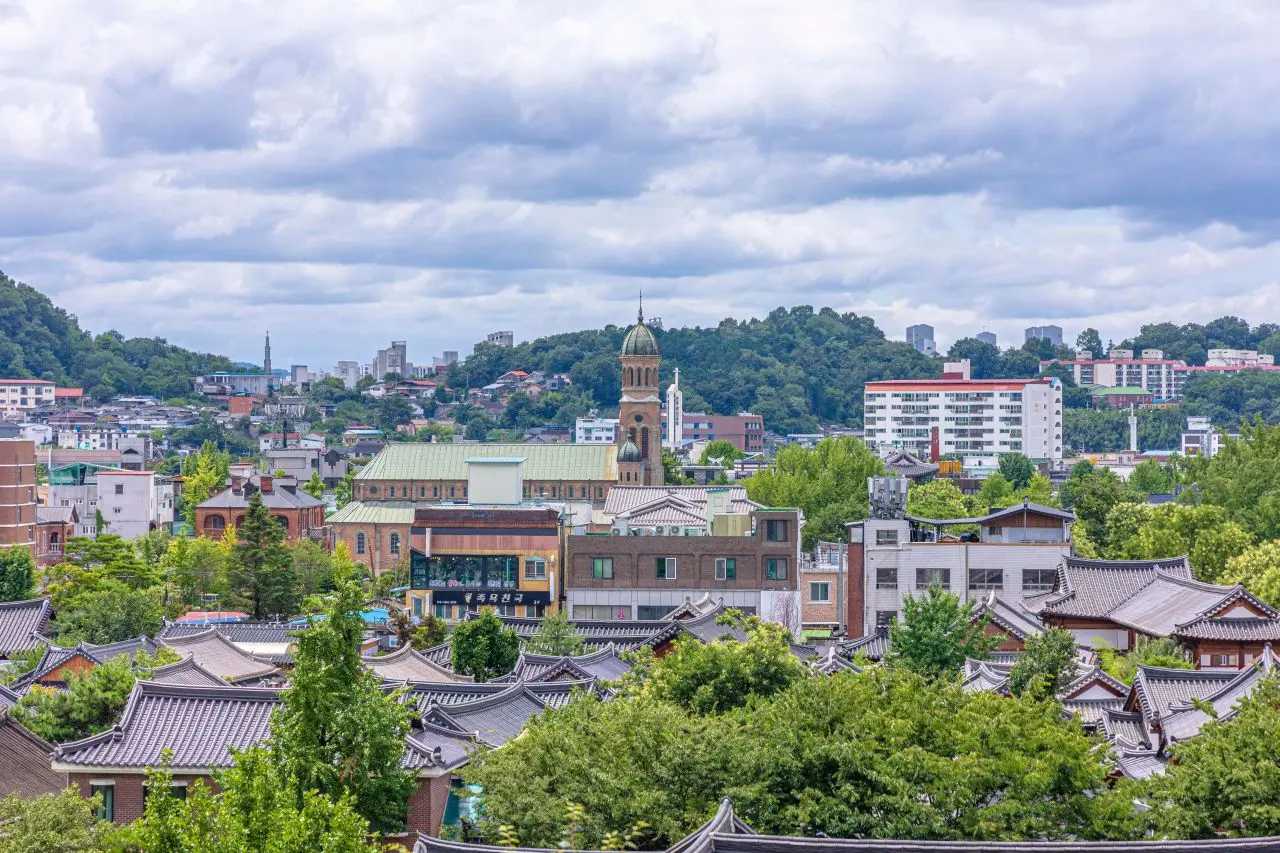 Jeonju Hanok VillageAbout 700 hanok in the middle of the city, with a royal portrait shrine, a brick cathedral, hanbok and bibimbap
-
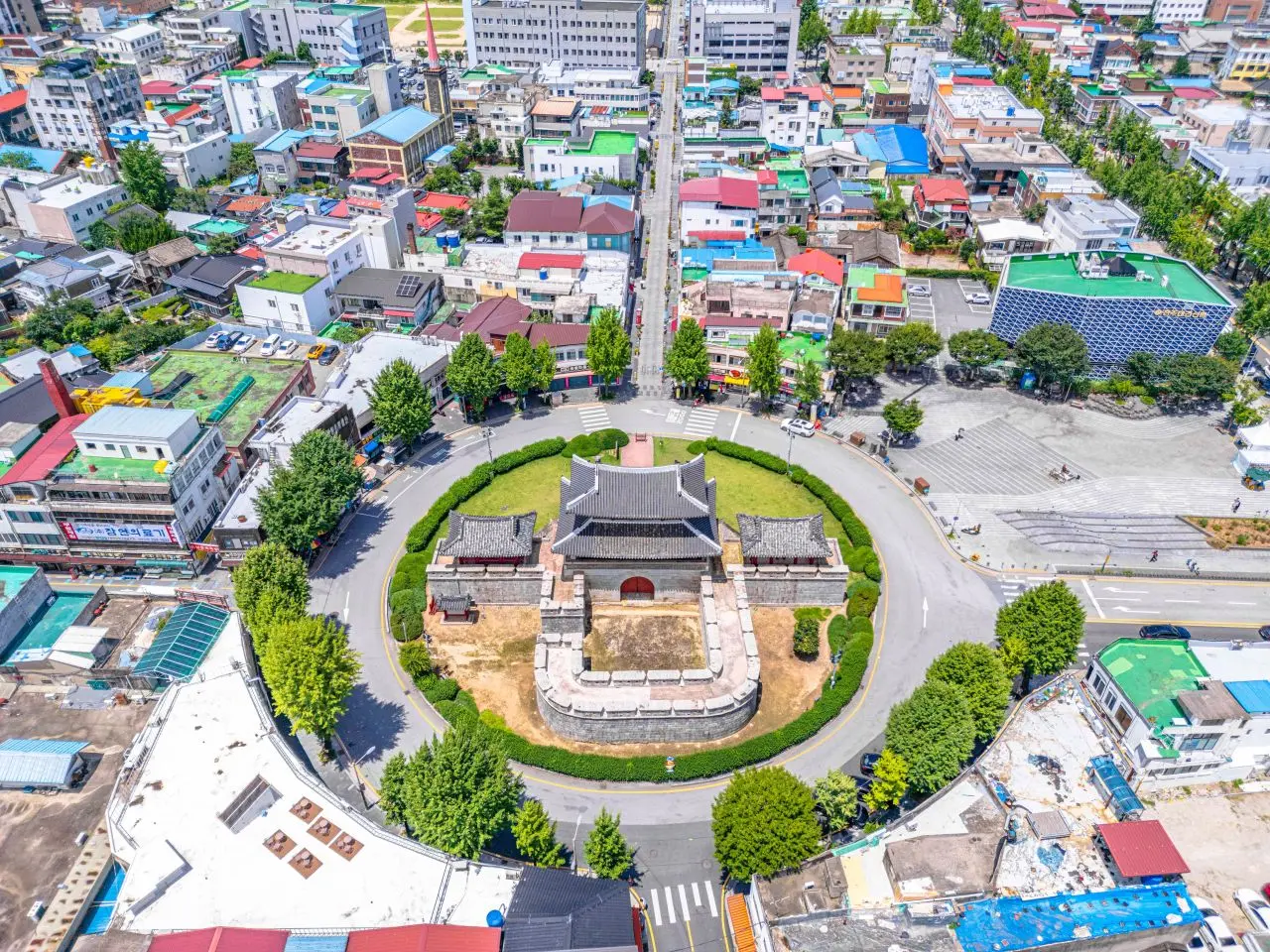 Nambu MarketJeonju's old market by Pungnammun Gate: bean sprout soup at dawn, blood sausage, a youth mall and a weekend night market
- How to Get from Seoul to JeonjuKTX from Yongsan, express buses every 10 to 15 minutes, and city buses to the Hanok Village, as of November 2026
- Jeonju in 2 DaysThe Hanok Village, a riverside pavilion at sunset, Nambu Market and the old town, on foot from a hanok stay
Sources
- Visit Jeonju: the ten flavors of Jeonju and the UNESCO City of Gastronomy (Korean)(accessed 2026-11-11)
- Visit Jeonju: Jeonju bibimbap and the bibimbap map (Korean)(accessed 2026-11-11)
- Visit Jeonju: recommended courses (Korean)(accessed 2026-11-11)
- Visit Jeonju: night tourism 2026 (Korean)(accessed 2026-11-11)
- Visit Jeonju: tourist information centers and lockers (Korean)(accessed 2026-11-11)
- Jeonju Hanok Village: overview and hanok stays (Korean)(accessed 2026-11-11)
- Korea Tourism Organization (VisitKorea): Jeonju Hanji Culture Festival 2026, Deokjin Park, National Intangible Heritage Center and Gyeonggijeon entries (Korean; search by name)(accessed 2026-11-11)
- Korail: KTX timetable and fares(accessed 2026-11-11)
- Kobus (express bus booking): Seoul to Jeonju departures (Korean)(accessed 2026-11-11)
- Naver blog: Gyeonggijeon ginkgo in autumn and the Nambu Market night market (2026-11-10)(accessed 2026-11-11)