Busan
Korea's big port city: city beaches, fish markets you can eat in, old market lanes and a temple on the sea
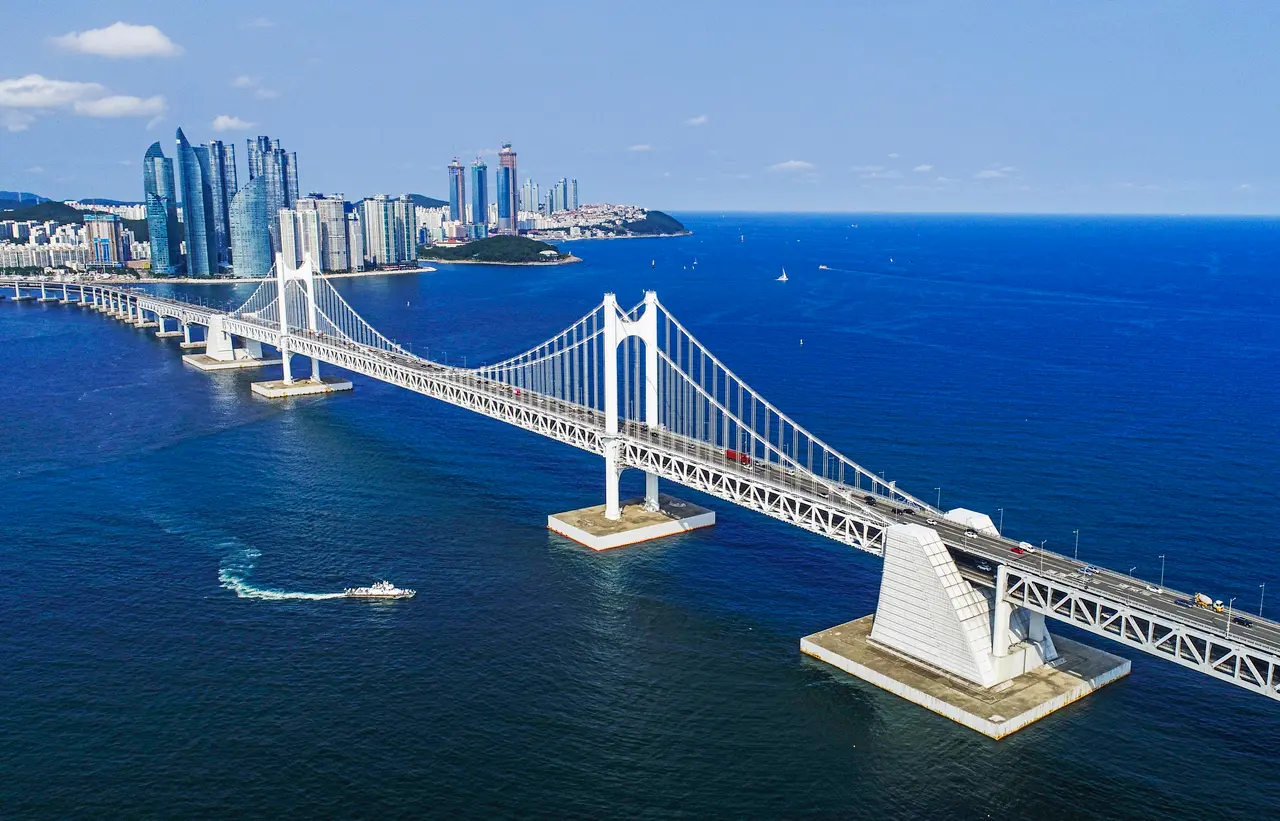
Busan is about 2 hours 40 minutes from Seoul by KTX. This page helps you choose an area to stay in, how many days to spend, what to eat and when to come, then sends you to our pages for the details.
Intro
Busan is Korea’s second destination for foreign visitors after Seoul. In 2025, 15.7 percent of foreign visitors to Korea went to Busan, and the city counted 3.64 million foreign visitors, 24.4 percent more than in 2024. From January to September 2026, Busan took 8.1 percent of foreign visitors’ card spending on tourism in Korea.
What sets it apart from Seoul:
- City beaches. Haeundae, 1.5 km of sand with high-rise towers behind it and a seaside train along the old coastal railway, and Gwangalli, facing the lit-up Gwangan Bridge with a free drone show every Saturday night.
- Fish markets you can eat in. At Jagalchi and at Millak by Gwangalli, you choose live fish downstairs and eat it upstairs for a table charge of about 5,000 to 6,000 won per person.
- The old downtown. Gukje Market, which grew with refugees after the Korean War, Bupyeong Kkangtong Market and its night market, and Gamcheon Culture Village, a hillside settled by wartime refugees.
- Food. Dwaeji gukbap (pork and rice soup), milmyeon (cold wheat noodles), pufferfish soup and seed-filled hotteok.
- A temple on the sea. Haedong Yonggungsa, on the rocks of the Gijang coast, free and open from 4:30.
Areas of the city
We divide Busan into four areas. Busan Metro Line 1 runs from Busan Station through the old downtown and Seomyeon; Line 2 runs from Seomyeon east to Gwangalli and Haeundae.
East coast: Haeundae and Gwangalli
- Haeundae: A 1.5 km city beach, the Blueline Park Beach Train and Sky Capsules along the coast, the Dongbaekseom island walk, the BUSAN X the SKY observatory on floors 98 to 100 of LCT, Haeundae Market snacks and pufferfish soup 24 hours a day.
- Gwangalli: A beach facing Gwangan Bridge, six stops from Haeundae on Line 2. The free drone show flies every Saturday at 19:00 and 21:00 from October to February (20:00 and 22:00 from March to September). Raw fish at the Millak end, and craft beer and pork soup late at night.
- Centum City, three stops west of Haeundae Station on Line 2, has Shinsegae Centum City department store, by Exit 12 of Centum City Station, and Spaland, a hot spring and sauna in the same building (9:00 to 22:00). We do not have a page for it.
- Songjeong, at the far end of the Beach Train, has its own beach. See Haeundae Blueline Park, Cheongsapo and Songjeong.
Central: Seomyeon
- Seomyeon: The downtown interchange of Lines 1 and 2. Pork soup restaurants by Seomyeon Market open 24 hours, milmyeon, grilled beef tripe until 6:00, an underground shopping arcade, and the cafes of Jeonpo one stop east. A practical base: Busan Station is 6 stops away on Line 1.
Old downtown: Nampo, Jagalchi and Gamcheon
- Choryang and the Busan Station Area: Across the road from the KTX station. Chinatown dumpling houses, Ibagu-gil and the 168 Stairs, with a free inclined elevator (Haneulgil) in place of the old monorail, and pork soup, milmyeon and boiled pork by the station. Busanjin Market and Beomeosa Temple further up Line 1.
- Nampo and Jagalchi: Jagalchi fish market (closed on the 1st, 3rd and 5th Tuesday), Gukje Market (closed on Sundays), the Kkangtong night market from 19:30, ssiat hotteok at BIFF Square, and Busan Tower in Yongdusan Park. 2 stops from Busan Station on Line 1.
- Gamcheon Culture Village: A hillside of terraced houses and painted lanes settled by refugees during the Korean War, where people still live. Village buses from Toseong or Jagalchi Station. From January 1, 2027, visits to the residential area are limited to 9:00 to 18:00. From January 1, 2027, vehicles carrying tourists, including taxis, may not drive on the roughly 1 km of Gamnae 2-ro from the Information Center entrance to the Memories’ Shadow photo zone between 9:00 and 18:00. A guidance period runs from August 1, 2026 to December 31, 2027, and fines start on January 1, 2028.
- Yeongdo: The island across the bridge from Nampo. Huinnyeoul Culture Village, a cliffside village along the sea with a coastal tunnel below, and Taejongdae, a park of coastal cliffs at the southern end, where a free shuttle bus runs from Wednesday to Sunday while the Danubi road train is not running. Buses from near Exit 6 of Nampo Station.
- Dadaepo and Amnam: The southwest coast for the sunset. Dadaepo Beach at the end of Line 1, with Amisan Observatory and Molundae, and Songdo Beach, a short bus ride from Nampo, with the cable car over the sea to Amnam Park.
North: Geumjeongsan
- Beomeosa Temple and Geumjeongsan: A large mountain temple by Line 1’s Beomeosa Station, free, 8:00 to 17:00, with a temple stay for foreigners. Above it are the walls of Geumjeongsanseong Fortress and Sanseong Village, known for goat bulgogi and makgeolli; on the south side of the mountain, the Geumgang Park cable car and the Hurshimchung hot spring bath in Oncheonjang (no tattoos).
Gijang: the northeast coast
- Haedong Yonggungsa Temple: A Buddhist temple on the rocks at the edge of the sea. Free, open from 4:30; the closing time differs between sources (19:20 or 20:30). Bus 181 from Haeundae Station, or the Donghae Line to Osiria Station.
- Gijang and Osiria: The coast around the temple on the Donghae Line: the Osiria Coastal Walk past Ananti Cove, snow crab sold by weight at Gijang Market, anchovies at Daebyeon Port, the drama-set church at Jukseong and Ilgwang Beach.
How many days
Busan’s own figures for how long foreign visitors stay have not been confirmed. Foreign visitors to Korea as a whole stayed an average of 6.5 days in 2025.
We suggest two to three days in Busan: one for Haeundae and Gwangalli, one for the old downtown and Gamcheon, and a half day for Haedong Yonggungsa or Seomyeon. Add a day for Gyeongju (below) if you have it. This is our suggestion, based on the travel times on each page.
For a 1-night plan with times, transport between stops and a rainy-day alternative, see Busan in 2 Days: A 1-Night Itinerary.
For more days in the city, Busan Day Courses has two one-day courses in the order Korean travelers take them: Yeongdo and Taejongdae, and Gamcheon with the Songdo cable car.
With children, Busan with Kids has the science museum, the Haeundae aquarium and Beach Train, the free Maritime Museum and LOTTE WORLD, with ages, strollers and two day plans.
Where to stay
- Haeundae: on the beach. The airport limousine from Gimhae runs there (9,500 won, no cash), and the KTX-Eum from Cheongnyangni in Seoul goes to Sinhaeundae. From Busan Station allow 50 minutes or more by subway.
- Seomyeon: a well-connected base, on both Lines 1 and 2, 6 stops from Busan Station, with an airport limousine from Gimhae (6,000 won, no cash) and restaurants open late.
- Nampo and around Busan Station: 2 stops from the KTX station, within walking distance of the markets. The beaches are further away.
- Gwangalli: right in front of the bridge and the Saturday drone show, on Line 2 (Gwangan or Geumnyeonsan stations).
Routes from Busan Station, Gimhae Airport and the bus terminals to each area are on How to Get from Seoul to Busan.
What to eat
Each dish links to a page where we list a restaurant, its hours and how to find it.
- Dwaeji gukbap (pork and rice soup): Songjeong 3dae Gukbap and Pohang Dwaeji Gukbap, both open 24 hours by Seomyeon Market in Seomyeon (9,500 to 11,000 won), or Subyeon Choego Dwaeji Gukbap in Gwangalli (11,000 won, 24 hours).
- Milmyeon (cold wheat noodles): Chunhachudong Milmyeon in Seomyeon, 10,000 won.
- Raw fish at a market: Jagalchi in Nampo or Millak in Gwangalli, with a table charge upstairs of about 5,000 to 6,000 won per person. At Millak, recent posts put flatfish at about 40,000 to 45,000 won per kg.
- Pufferfish soup (bokguk): Geumsubokguk in Haeundae, 24 hours on its 1st floor, from 15,000 won.
- Market snacks: tteokbokki (6,000 won) and fish cake (1,500 won) at Sangguginae in Haeundae Market, yubu jeongol (tofu pouches in fish cake broth, 7,000 won) in Kkangtong Market, and ssiat hotteok (2,000 won) at BIFF Square.
- Wandang (thin-skinned wonton soup): 18th Wonton House by BIFF Square in Nampo, 10,000 won.
- Where Busan Locals Eat: 43 Korean restaurants Busan people eat at, from 24-hour pork soup to straw-fire hagfish, in six areas.
- Busan Cafes Locals Love: 43 Busan cafes that Koreans go to, from sea-view rooms to harborside roasteries, grouped by area.
When to go
- Summer: Haeundae Beach’s 2026 swimming season ran from June 26 to September 15 (9:00 to 18:00), and Songjeong’s until August 31. The 2027 dates have not been announced.
- Every Saturday: the Gwangalli drone show (19:00 and 21:00 from October to February, 20:00 and 22:00 from March to September).
- Evenings: Busan at Night: Hwangnyeongsan and how to get up and down without a car, Gwangan Bridge and the drone show, The Bay 101, Busan Tower until 22:00 and the night bus tour.
- Autumn: the Busan Fireworks Festival over Gwangan Bridge.
- Winter nights: the Haeundae Light Festival from November 28, 2026 to January 10, 2027 (18:00 to 23:00), and a Christmas tree lighting on Gwangbok-ro in Nampo in December (2026 dates not yet announced).
- Mid-May: the Haeundae Sand Festival (May 15 to 18 in 2026).
- Market closing days: Jagalchi on the 1st, 3rd and 5th Tuesday, Gukje Market on Sundays.
- Weather: for average temperatures, rain and what to wear each month, see Korea Weather by Month and When to Go.
Day trip: Gyeongju
Gyeongju, the old capital of the Silla kingdom, is close enough for a day trip. The KTX from Busan Station to Gyeongju Station takes 28 to 36 minutes and costs 10,100 won in standard class, with 50 trains a day in the timetable (31 of them every day), from 5:19 (4:45 on Mondays) to 22:16. The KTX-Eum also runs from Bujeon (66 to 78 minutes) and four times a day from Sinhaeundae (54 to 58 minutes). Gyeongju’s KTX station is outside the town, so add a city bus ride. See How to Get from Seoul to Gyeongju and the Gyeongju guide.
Two more day trips by public transport: Tongdosa Temple, 25 minutes by intercity bus from Nopo, and the Gaya tombs and museums of Gimhae on the light rail from Sasang. See Day Trips from Busan: Tongdosa Temple and Gimhae.
Getting there and around
From Seoul, most visitors take the KTX: about 2 hours 44 minutes from Seoul Station on a typical train, 54,400 won in standard class on trains via Gyeongju. Flights from Gimpo and express buses also run. See How to Get from Seoul to Busan.
Before you go:
- How to Take the KTX in Korea: booking on Korail’s English website with a foreign card, Suseo trains (formerly SRT) and the KORAIL PASS.
- Paying with Foreign Cards in Korea: transit cards and payments.
- Map Apps in Korea: what Google Maps can and cannot do in Korea and when to switch to Naver Map.
- SIM Cards, eSIMs and Pocket Wi-Fi in Korea: carrier eSIM and SIM prices and airport counters.
Questions travelers ask
Is Busan worth visiting?
Busan suits travelers who want the sea with a big city: city beaches at Haeundae and Gwangalli, fish markets where you choose live fish downstairs and eat it upstairs, and the old downtown that grew with refugees after the Korean War. In 2025, 15.7 percent of foreign visitors to Korea went there, second after Seoul. We suggest two to three days; see Busan in 2 Days: A 1-Night Itinerary for a plan with times.
Seoul or Busan?
The two combine easily: the KTX from Seoul Station takes about 2 hours 44 minutes on a typical train. Busan has the beaches, the live fish markets and a temple on the sea; the Joseon palaces and most of the shopping neighborhoods are in Seoul. We suggest three to four days in Seoul and two to three in Busan.
Is Busan worth visiting in winter?
Not for swimming (the 2026 season at Haeundae ran from June 26 to September 15), but winter nights are lit: the Haeundae Light Festival runs from November 28, 2026 to January 10, 2027 (18:00 to 23:00). The Saturday drone show at Gwangalli continues at 19:00 and 21:00 from October to February, and Spaland in Centum City is a hot spring and sauna open 9:00 to 22:00.
Can I see Gyeongju from Busan?
Yes, as a day trip. The KTX from Busan Station to Gyeongju Station takes 28 to 36 minutes and costs 10,100 won in standard class; Gyeongju’s station is outside the town, so add a city bus ride. See the Gyeongju guide.
Hotels
Experiences
All 20 guides in Busan
-
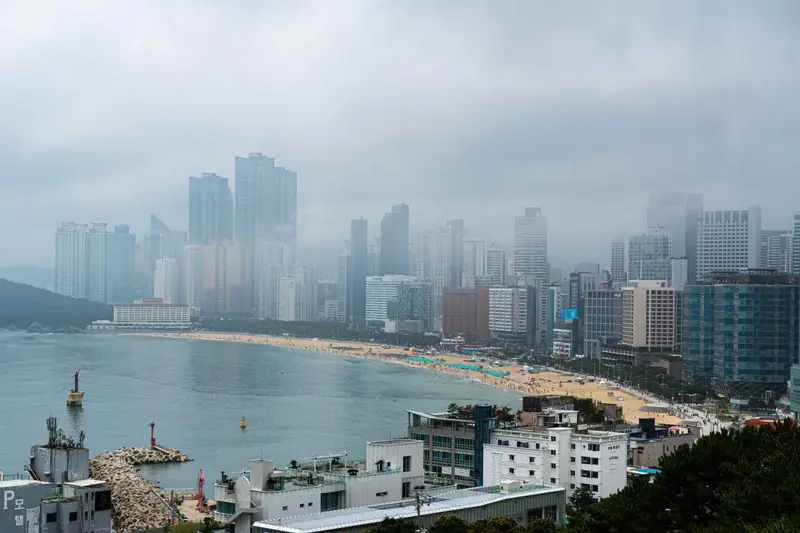 HaeundaeBusan's best-known beach, with a seaside train along the old coastal railway, an island walk and a 100-floor observatory
-
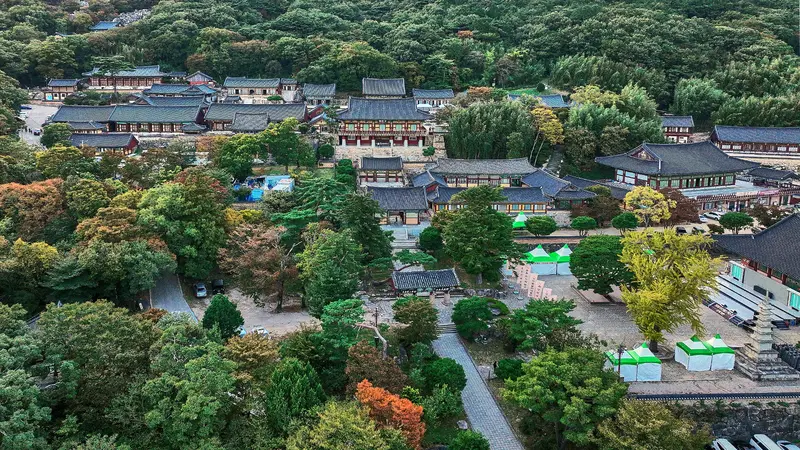 Beomeosa Temple and GeumjeongsanA mountain temple on Line 1, the fortress walls above it, goat bulgogi in Sanseong Village and the Dongnae hot springs
-
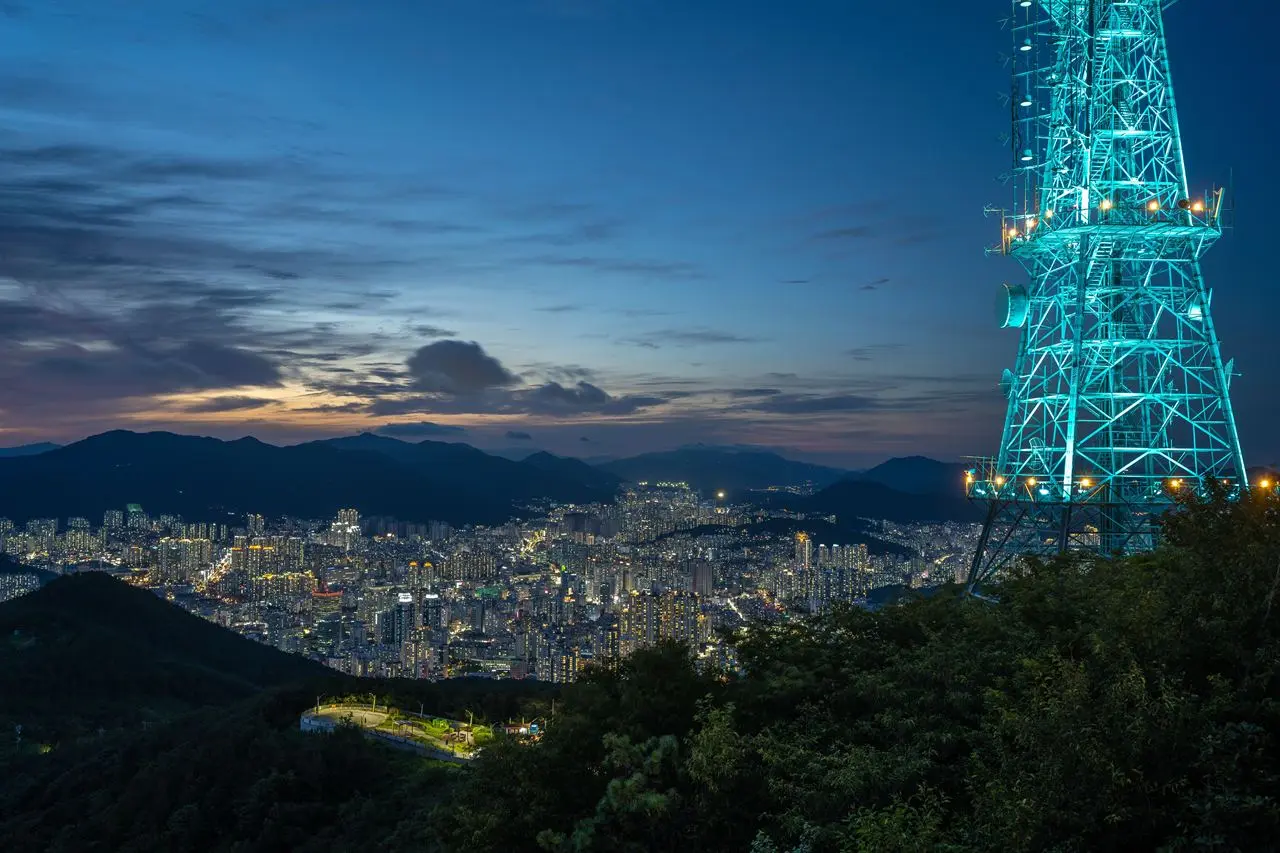 Busan at NightA free mountaintop view over the city, Gwangan Bridge from the beach, a Saturday drone show and towers open late
-
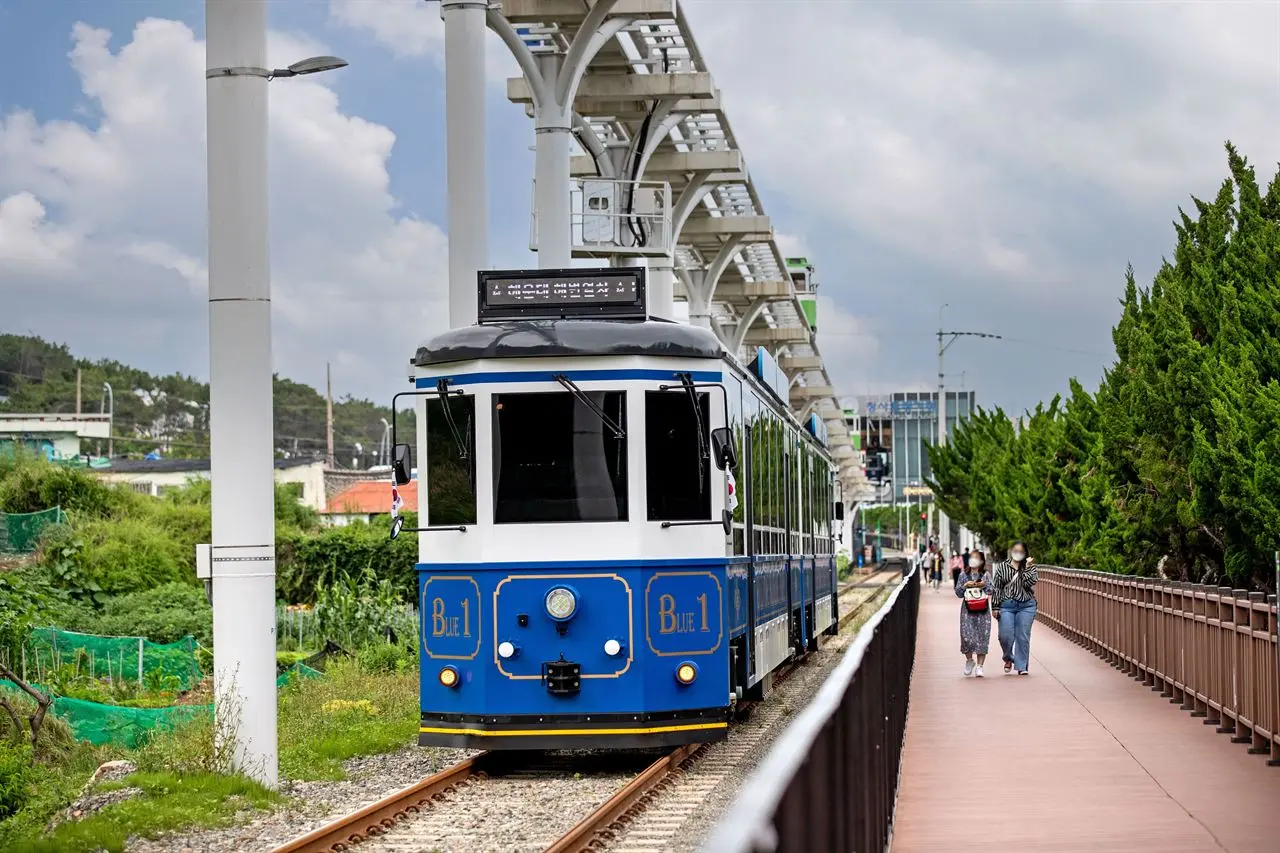 Busan with KidsWhere Korean families take their children: a 3,000-won science museum, a seaside train and a free maritime museum
-
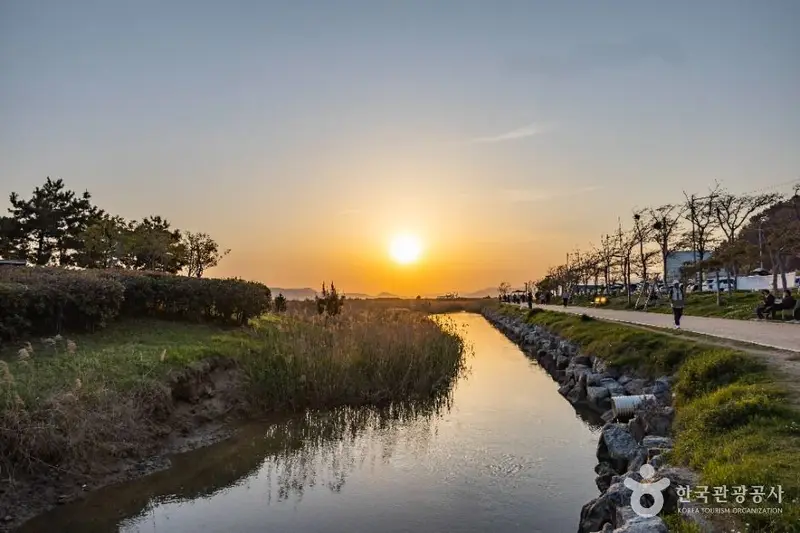 Dadaepo and AmnamBusan's southwest coast: sunset over the Nakdonggang estuary at Dadaepo, and a cable car over the sea at Songdo
-
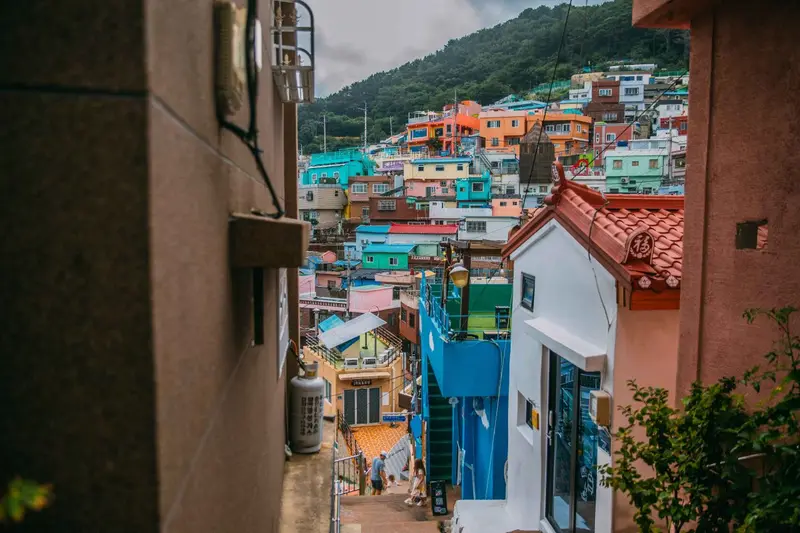 Gamcheon Culture VillageA hillside village of stairs and painted houses, settled by refugees in the Korean War, where people still live
-
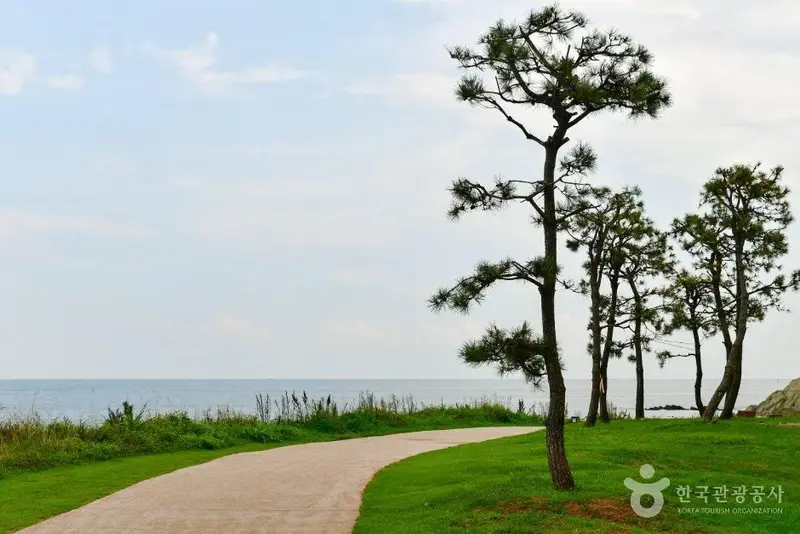 Gijang and OsiriaBusan's northeast coast by Donghae Line: a temple on the rocks, a seaside walk, snow crab at Gijang Market and a beach
-
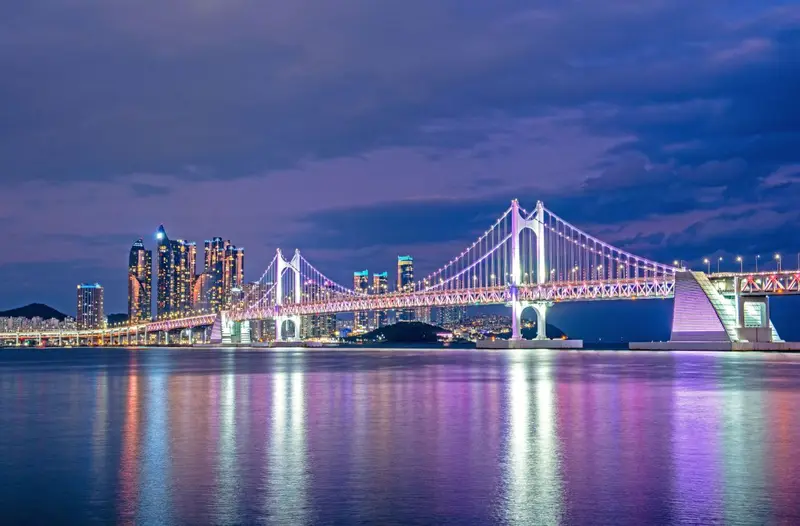 GwangalliA city beach facing the lit-up Gwangan Bridge, with a Saturday drone show and raw fish markets at the Millak end
-
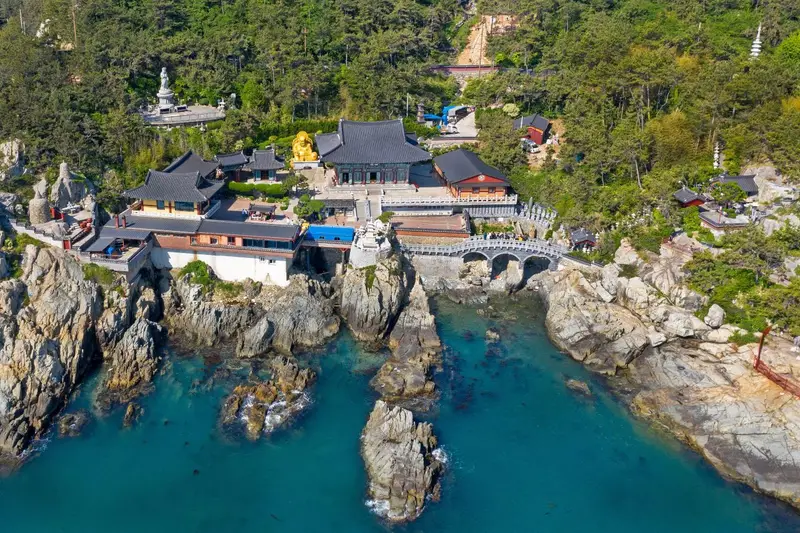 Haedong Yonggungsa TempleA Buddhist temple built on the rocks at the edge of the sea in Gijang, northeast of Haeundae, open from 4:30 and free
-
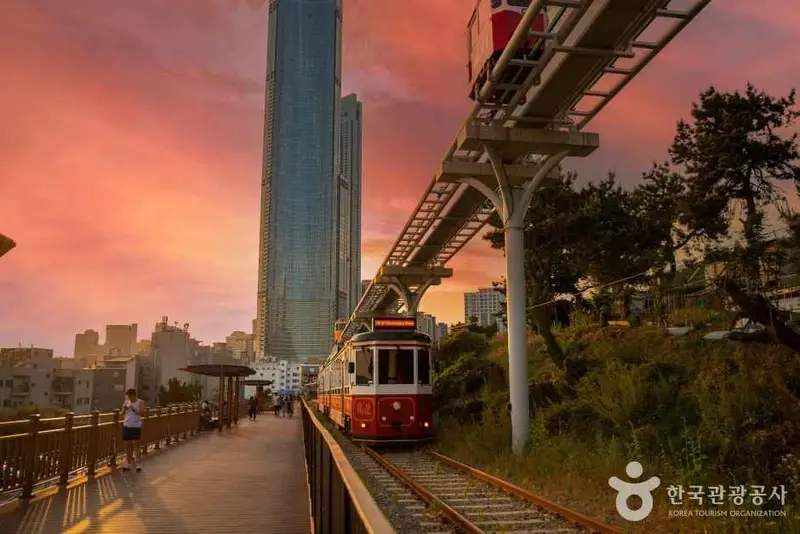 Haeundae Blueline Park, Cheongsapo and SongjeongA seaside train and sky capsules east of Haeundae, a harbor of grilled clams, and a surf beach at the end of the line
-
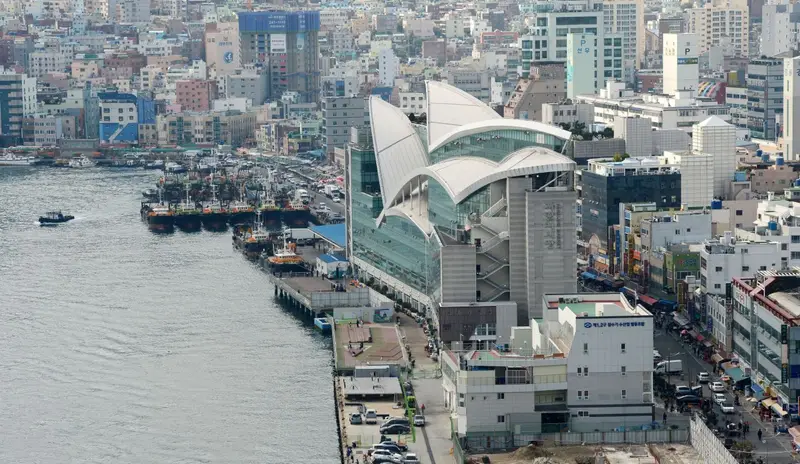 Nampo and JagalchiOld Busan by the harbor: Jagalchi fish market, Gukje and Kkangtong markets, street food and Busan Tower
-
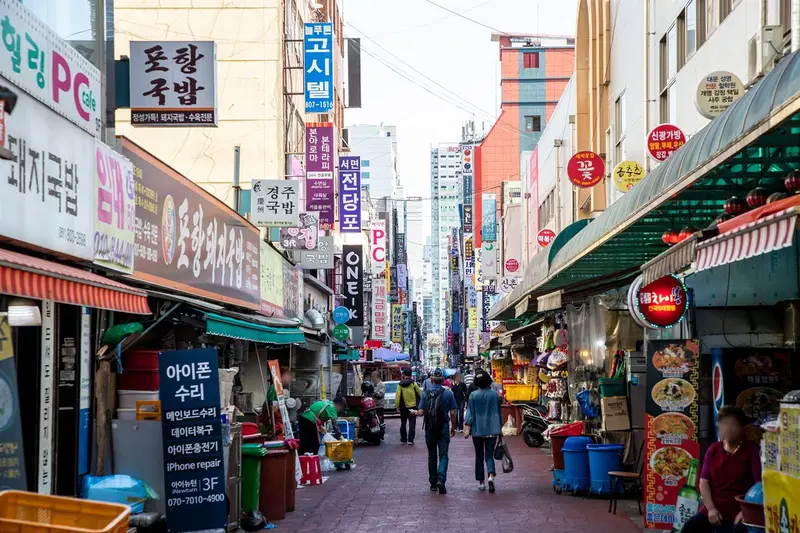 SeomyeonDowntown Busan at the Line 1 and 2 interchange: 24-hour pork soup, milmyeon noodles and the Jeonpo cafés
-
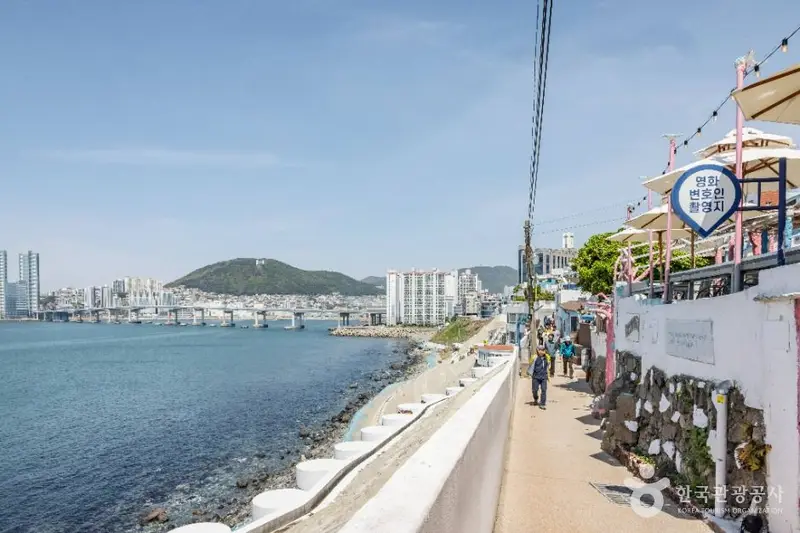 YeongdoThe island across the bridge from Nampo: a cliff-top village over the sea, Taejongdae, fish cake and sea-view cafes
-
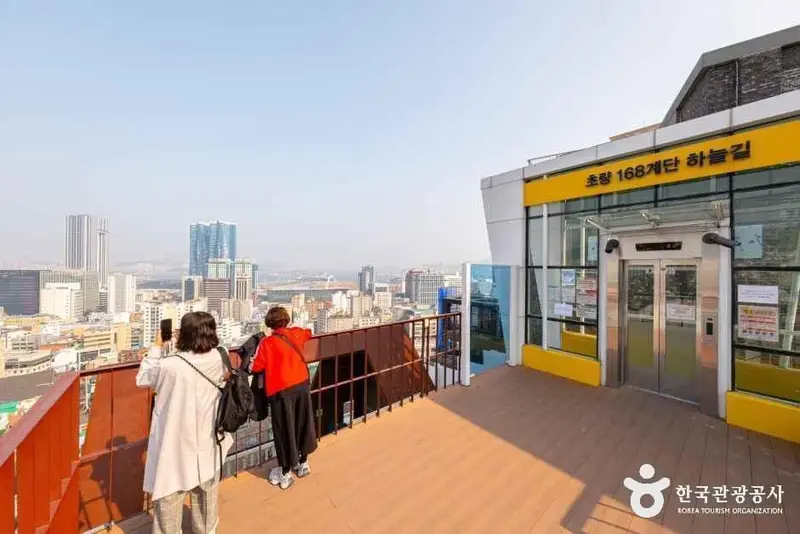 Choryang and the Busan Station AreaAcross from the KTX station: Chinatown dumplings, the 168 Stairs and their free elevator, and old Busan restaurants
-
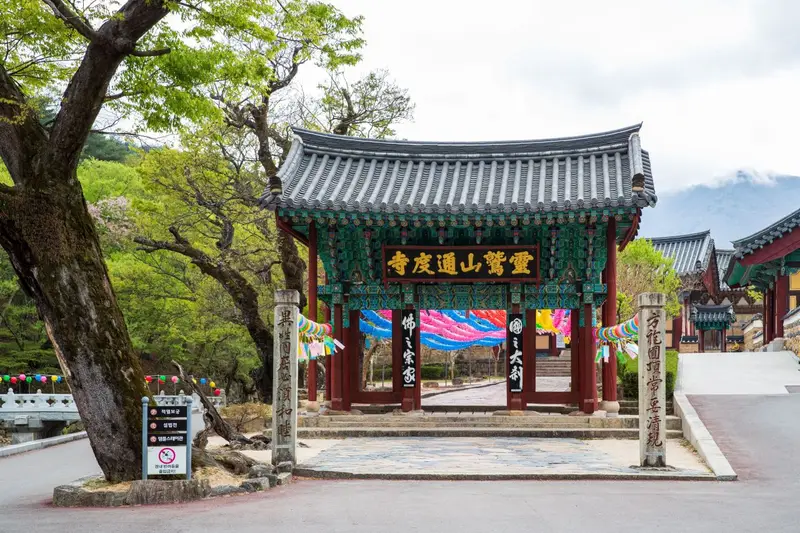 Day Trips from BusanA UNESCO temple with no Buddha statue, 25 minutes by bus from Nopo, and Gaya tombs and museums by light rail
-
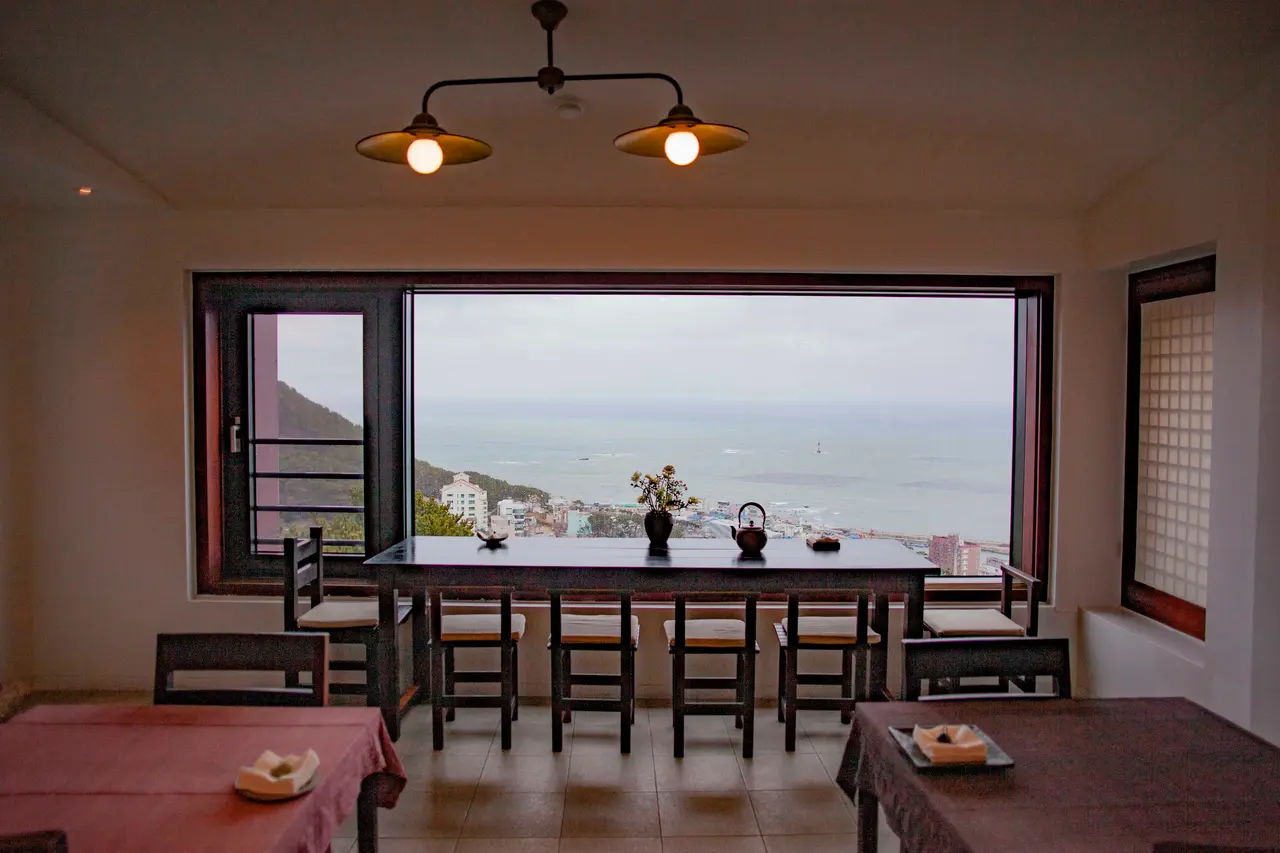 Busan Cafes Locals Love43 Busan cafes that Koreans go to, from sea-view rooms to harborside roasteries, grouped by area
-
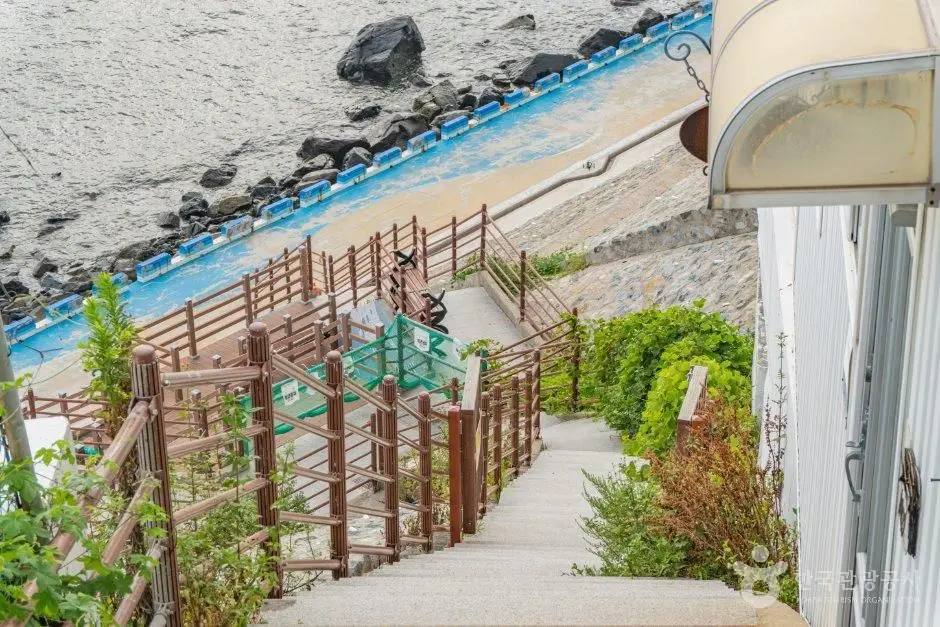 Busan Day CoursesTwo days out in the order Korean travelers take them: Yeongdo and Taejongdae, and Gamcheon to the Songdo cable car
- Busan in 2 DaysBusan Station, a cliffside village, Haeundae at night and the Beach Train to Cheongsapo, by public transport
-
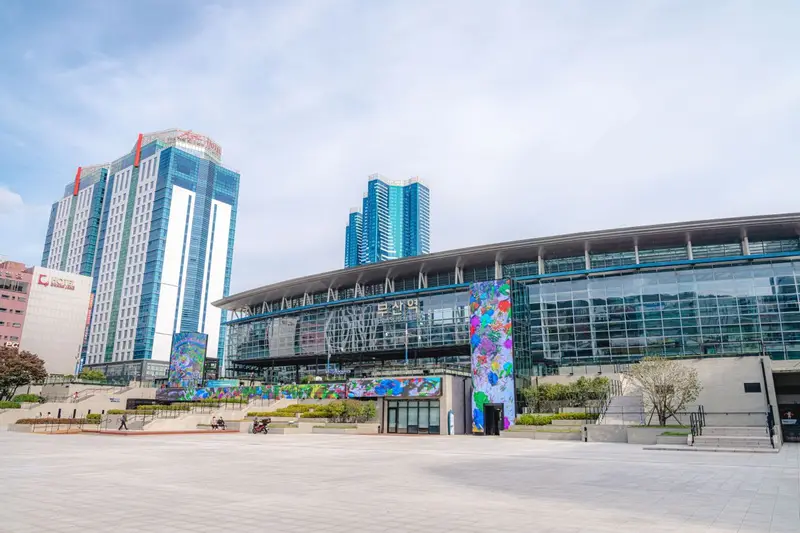 How to Get from Seoul to BusanKTX, flights and express buses from Seoul to Busan, and onward to Haeundae, Seomyeon and Nampo, as of November 2026
-
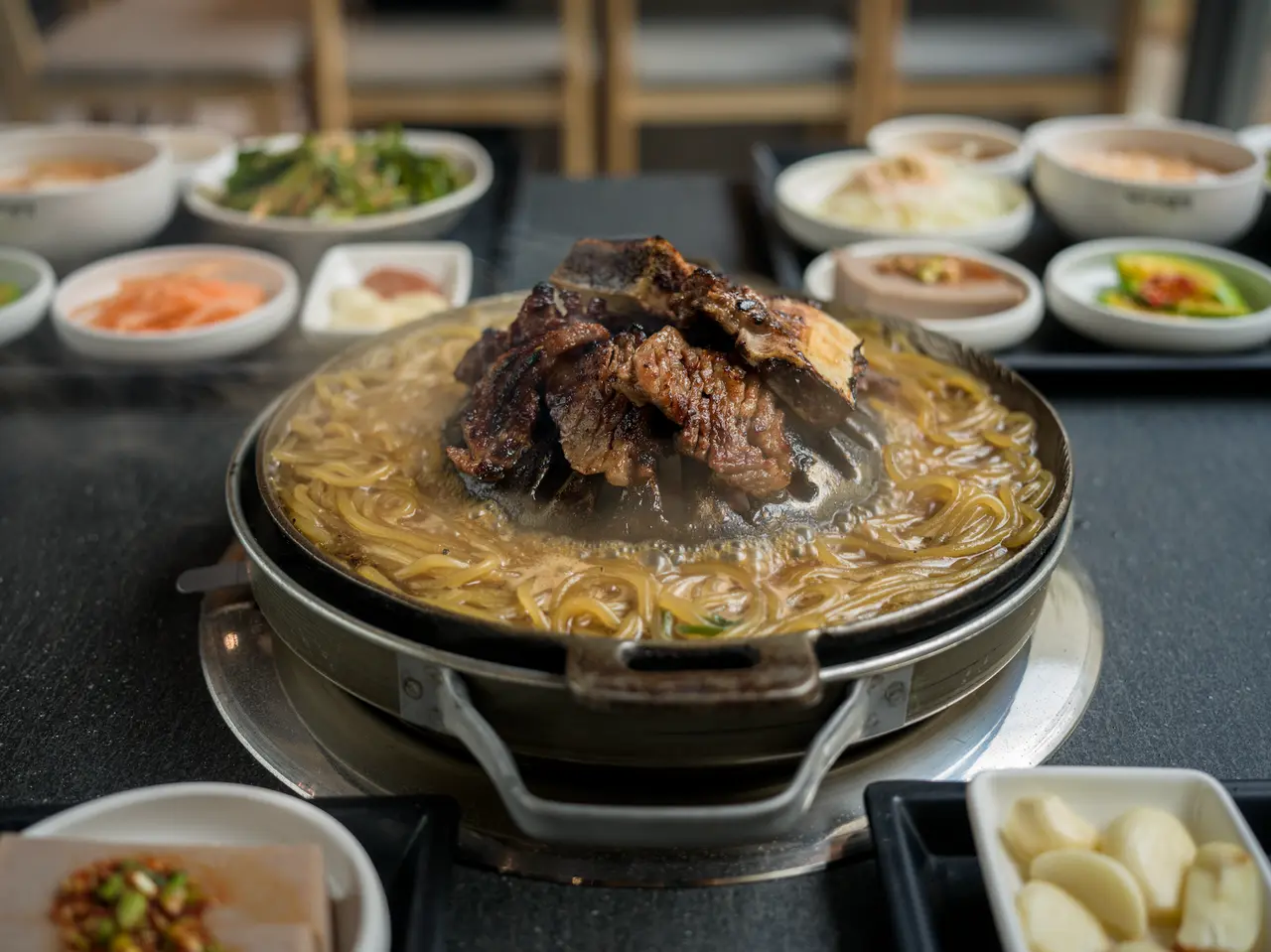 Where Busan Locals Eat43 Korean restaurants Busan people eat at, from 24-hour pork soup to straw-fire hagfish, in six areas
Sources
- Foreign visitors to Busan in 2025, Segye Ilbo via Nate (2026-02-15)(accessed 2026-11-11)
- Korea Tourism Organization 2026 inbound market analysis: share of visitors to each region in 2025, Newstravel (2026-11-07)(accessed 2026-11-11)
- Foreign visitor card spending by region, January to September 2026, Financial News (2026-11-03)(accessed 2026-11-11)
- Naver Place: Shinsegae Centum City(accessed 2026-11-11)
- Naver Place: Spaland Centum City(accessed 2026-11-11)
- Average length of stay of foreign visitors, International Visitor Survey, MTN (2026-11-01)(accessed 2026-11-11)
- Naver Place: Taejongdae(accessed 2026-11-11)
- Korail: KTX timetable as of November 1, 2026 (spreadsheet)(accessed 2026-11-11)
- Korail: KTX fare table as of September 1, 2026 (spreadsheet)(accessed 2026-11-11)