Sokcho
The east-coast town at the foot of Seoraksan: granite peaks, a seafood market and an easy pairing with Gangneung
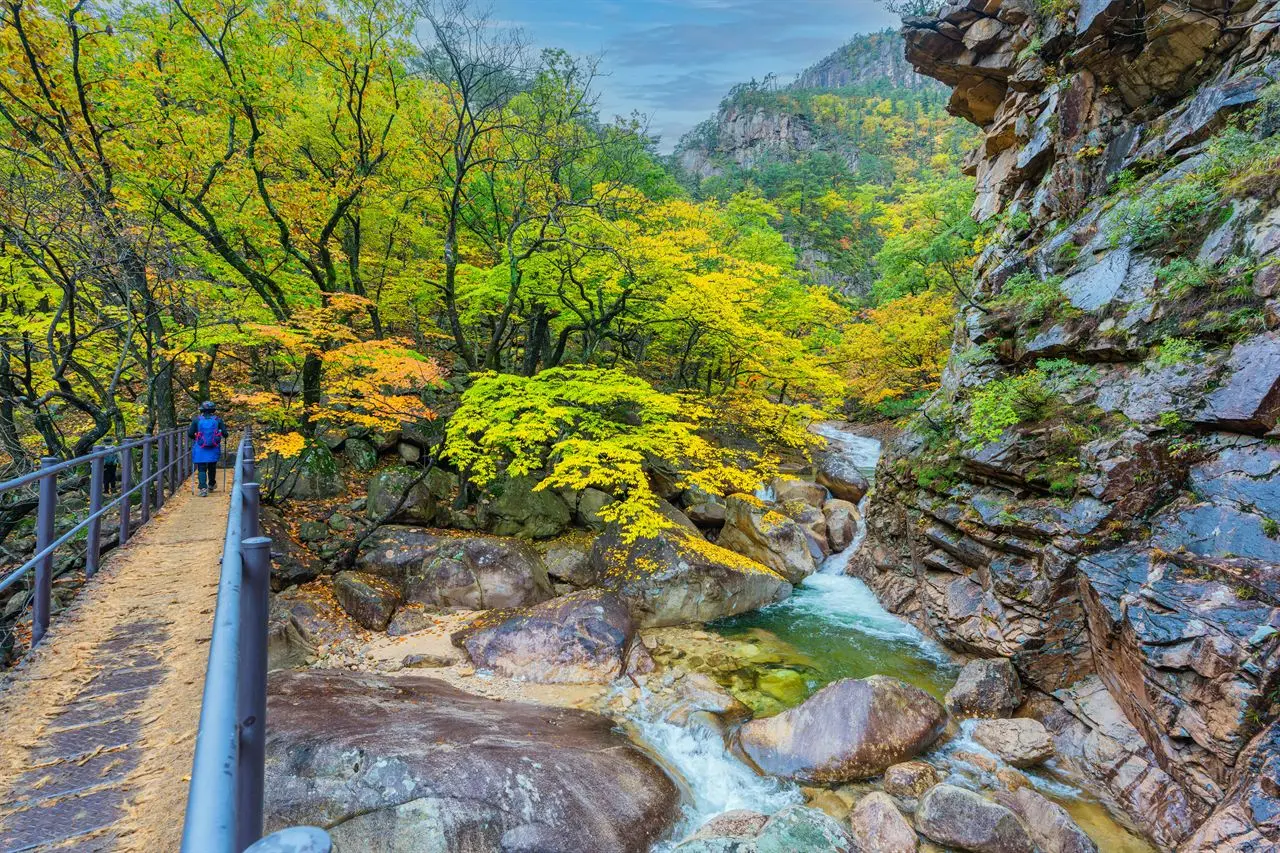
Sokcho is a town on Korea's east coast at the foot of Seoraksan National Park, about 2 hours 20 minutes from Seoul by express bus. Most trips combine the mountain, with its cable car and half-day walks, and the town, with its market, refugee village and seafood. This page helps you decide how long to stay and how to fit Sokcho together with Gangneung, then sends you to the detailed pages.
Intro
Pages
- How to Get from Seoul to Sokcho: express buses from Seoul Gyeongbu (45 a day, about 2 hours 20 minutes) and Dong Seoul (15 a day, about 2 hours 30 minutes), and city buses 7 and 7-1 to the national park. Sokcho has no railway station.
- Seoraksan National Park: the Seorak Cable Car to Gwongeumseong (return 16,000 won, no reservations), and walks to Sinheungsa, Biseondae, Biryong Falls and Ulsanbawi from Sogongwon, the park entrance.
- Sokcho: Jungang Market for dakgangjeong and squid sundae, Abai Village and the hand-pulled gaetbae ferry, mulhoe and grilled fish restaurants, and the beach.
Why go
Seoraksan National Park, a national park since 1970 and Korea’s first UNESCO Biosphere Reserve (1982), covers the mountains behind the town: granite peaks and clear valley streams that you can see from a cable car or on a half-day walk, with no park entry fee. Down in the town, the market, Abai Village, settled by refugees from the North in 1951, and the east-coast seafood make a second reason to stay the night.
How many days
- Day trip: possible, with 45 express buses a day from Seoul Gyeongbu terminal from 6:00 to 23:30 and the last bus back at 23:00. A day trip leaves time for about one part of Seoraksan, such as the cable car or one walk.
- One night: a day for Seoraksan and an evening and morning in the town, for the market, Abai Village and the coast.
- Two nights or more: add Gangneung, about an hour south by intercity bus (below).
Where to stay
The town is where the bus terminals, Sokcho Beach and Jungang Market are; the Korea Tourism Organization describes the beach as within walking distance of the express bus terminal. City buses 7 and 7-1 run from both bus terminals to Seoraksan Sogongwon, the park entrance, about 50 minutes from the start of the route.
Combining Sokcho with Gangneung
Gangneung, south along the coast, has KTX-Eum trains to Seoul, so one way to combine them is Seoul to Sokcho by bus, then Gangneung, then back to Seoul by train (or the reverse).
- Sokcho to Gangneung: intercity buses from Sokcho Intercity Bus Terminal to Gangneung Intercity Bus Terminal, 22 a day from 6:55 to 20:45 on a sample Wednesday and Saturday in November 2026. Most take about 50 minutes to 1 hour 15 minutes and cost 8,400 won (some 7,800 won); 7 slower buses take about 1 hour 37 minutes and cost 10,800 won.
- Gangneung to Sokcho: 20 a day from 7:14 to 21:00, about 1 hour for 8,400 won (some 7,800 won), or 1 hour 32 to 46 minutes for 10,800 won.
- No express bus: there is no KOBUS express route between the two; these are intercity buses. Buy tickets at the terminal counter or ticket machine; whether the online intercity booking site accepts cards issued overseas has not been confirmed.
- Gangneung bus terminal is not the train station. To change to the KTX-Eum, take a city bus or taxi from the Intercity Bus Terminal to Gangneung Station.
- Gangneung to Seoul by KTX-Eum: 25 trains a day from Gangneung to Cheongnyangni (16 of them daily), taking about 1 hour 31 minutes to 1 hour 55 minutes; 14 of these continue to Seoul Station (about 1 hour 54 minutes to 2 hours 15 minutes). Standard-class fares are 26,000 won to Cheongnyangni and 27,600 won to Seoul Station. The last daily train leaves Gangneung at 22:27 and reaches Cheongnyangni at 0:06 and Seoul Station at 0:25; a 22:00 train to Cheongnyangni runs on Fridays, Saturdays and Sundays only (Korail timetable from November 1, 2026).
Gangneung pages are coming.
Nearby
Yangyang, south of Sokcho, also has express buses from Seoul Gyeongbu (about 2 hours) and Dong Seoul (about 2 hours 10 minutes); it is not covered on these pages.
What to eat
Prices are from each restaurant’s Naver menu; details and more places are on the Sokcho page.
| Dish | Where | Price |
|---|---|---|
| Dakgangjeong (sweet crispy fried chicken) | Mansuk Dakgangjeong, Jungang Market | original 20,000 won bone-in, 21,000 won boneless |
| Mulhoe (cold raw fish soup) | Cheongchosu Mulhoe, near Sokcho Beach | 19,000 won for one serving |
| Squid sundae | Cheongchosu Mulhoe; Abai Village restaurants | 15,000 won at Cheongchosu |
| Abai sundae soup | Sindasin, Abai Village | 12,000 won |
| Mixed grilled fish set | 88 Saengseon-gui, near Jungang Market | 20,000 won |
When to go
- Autumn foliage, from about October into early November according to recent blog posts, is the busiest time in Seoraksan, with long waits at the cable car on weekend mornings.
- Trail closures: Seoraksan closes its high trails during wildfire-prevention periods, in autumn (mid-November to mid-December) and in spring. Check the national park notices before you go.
- Summer: Sokcho Beach is busiest in July and August.
- Weather: for average temperatures, rain and what to wear each month, see Korea Weather by Month and When to Go.
Getting there
Take an express bus from Seoul Gyeongbu terminal (45 a day, about 2 hours 20 minutes, deluxe 24,300 won) or Dong Seoul Bus Terminal (15 a day, about 2 hours 30 minutes, deluxe 22,800 won). Full timetables, fares and the city buses to Seoraksan are on How to Get from Seoul to Sokcho.
Questions travelers ask
Is Sokcho worth visiting?
Sokcho suits travelers who want mountains: Seoraksan National Park, Korea’s first UNESCO Biosphere Reserve (1982), has granite peaks you can see from the Seorak Cable Car (return 16,000 won) or on a half-day walk, with no park entry fee. The town adds Jungang Market, Abai Village and east-coast seafood, a second reason to stay the night.
Sokcho or Gangneung?
Choose Sokcho for Seoraksan; choose Gangneung for beaches, the coffee street and soft tofu, and for KTX-Eum trains to Seoul (Sokcho has no railway station). They are about an hour apart by intercity bus, so with two nights you can see both: bus from Seoul to Sokcho, then Gangneung, then the KTX-Eum back.
When is the best time to visit Seoraksan?
Autumn foliage, from about October into early November according to recent blog posts, is the busiest time, with long waits at the cable car on weekend mornings. The park closes its high trails during wildfire-prevention periods in autumn (mid-November to mid-December) and in spring, so check the national park notices before you go. See Seoraksan National Park.
Can I visit Sokcho as a day trip from Seoul?
Yes: 45 express buses a day leave Seoul Gyeongbu from 6:00 to 23:30, and the last bus back is at 23:00. A day trip leaves time for about one part of Seoraksan, such as the cable car or one walk. See How to Get from Seoul to Sokcho.
Hotels
Experiences
All 3 guides in Sokcho
-
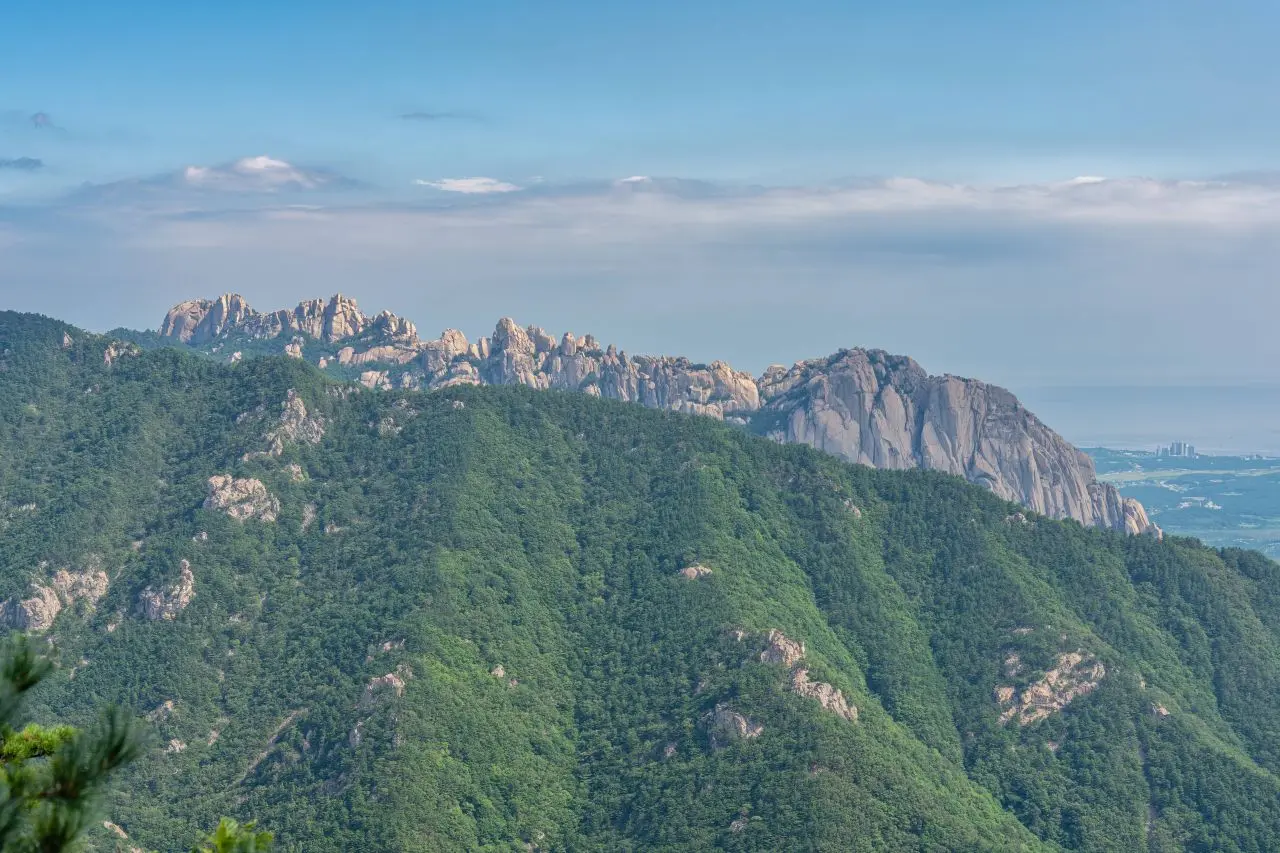 Seoraksan National ParkGranite peaks and valleys above Sokcho: a cable car to Gwongeumseong and half-day walks to Ulsanbawi and Biseondae
-
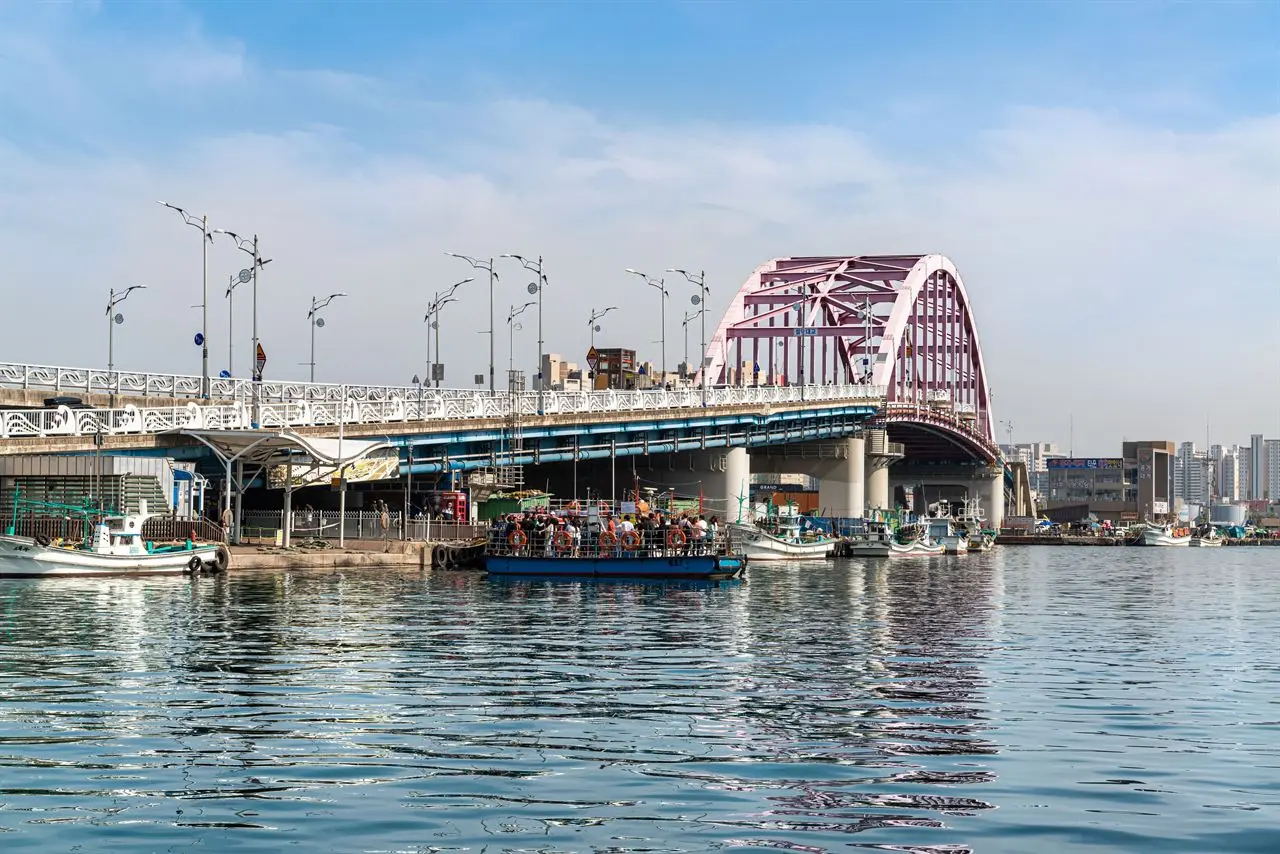 SokchoThe seaside town below Seoraksan: market dakgangjeong, squid sundae, cold raw fish soup and a hand-pulled ferry
-
 How to Get from Seoul to SokchoExpress buses from Seoul Gyeongbu and Dong Seoul to Sokcho, and city buses on to Seoraksan, as of November 2026
Sources
- KOBUS (express bus reservations): Seoul to Sokcho, November 2026(accessed 2026-11-11)
- KOBUS: express bus route list (Seoul to Yangyang; no Sokcho to Gangneung route)(accessed 2026-11-11)
- T-money intercity bus booking: Sokcho to Gangneung and Gangneung to Sokcho, November 18 and 21, 2026(accessed 2026-11-11)
- Korail: KTX timetable, Gangneung Line (from November 1, 2026)(accessed 2026-11-11)
- Korail: KTX fares, Seoul and Cheongnyangni to Gangneung (from September 1, 2026)(accessed 2026-11-11)
- Korea Tourism Organization (TourAPI): Seoraksan National Park, outer Seorak(accessed 2026-11-11)
- Seorak Cable Car: guide(accessed 2026-11-11)
- Sokcho Bus Information System: Bus 7 and 7-1 timetables(accessed 2026-11-11)
- Korea Tourism Organization (TourAPI): Sokcho Beach(accessed 2026-11-11)
- Naver blog: Seoraksan cable car waits in autumn (2026-11-10)(accessed 2026-11-11)